
 E-Paper



2nd Monkeypox case in 5 days: Can India see an outbreak? Here's what experts say
It is also possible to become infected from a ‘contaminated environment,’ says WHO. For instance when an infectious person touches clothing, bedding, towels, objects, electronics and surfaces - skin flakes or viruses can cause contamination of the environment.

 Prefer HTon Google


India on Monday reported its second case of monkeypox infection after a 31-year-old man who arrived in Kerala last week from Dubai tested positive for the virus. The first case of monkeypox, a rare but potentially serious viral illness, was reported from Kollam district of south Kerala on July 14.
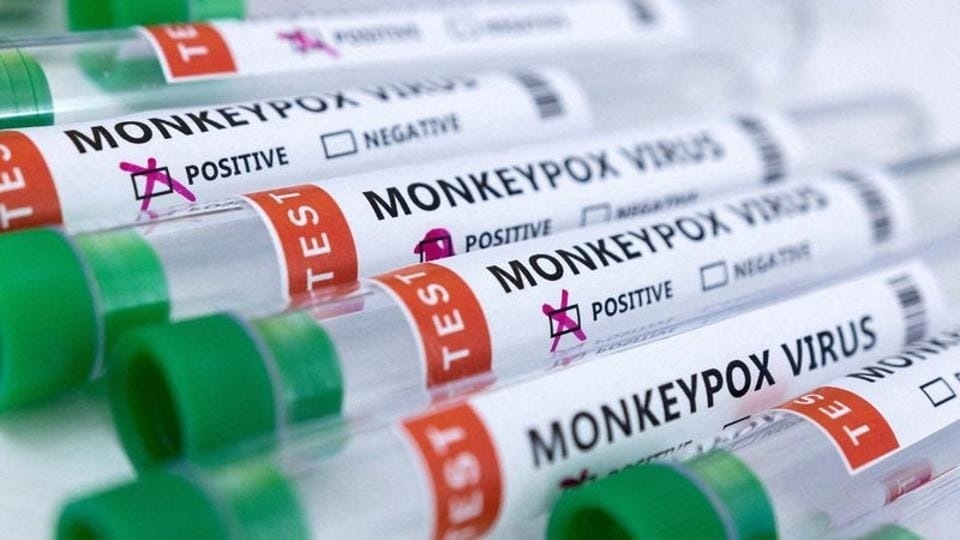
An alert has been sounded in all 14 districts of the state. A multidisciplinary central team of officials has been already deployed by the Union Health Ministry.
With India seeing its second case of monkeypox within five days - both from Kerala - here’s a look at the possibility of a severe outbreak in India:
How severe is the global scenario
A multi-country outbreak of monkeypox is currently underway in places where the virus has not been typically found before - in Europe, America, Africa, the Western Pacific, and countries of the Eastern Mediterranean. Around 60 countries, in which monkeypox is not endemic, have reported outbreaks of the viral disease as confirmed cases crossed 11,500 last week, according to a Reuters tally. The World Health Organisation said more cases than normal have been reported in 2022 in parts of Africa.
In Asia-Pacific, Australia has the highest number of confirmed cases, 33. In Europe, the United Kingdom had over 1,850 confirmed cases as of July 14. Spain has reported over 2,400 cases, and over 1,800 infections have also been confirmed in Germany. As per data shared by Reuters, the United States had over 1,400 confirmed monkeypox cases last week.
How does monkeypox spread?
> Monkeypox spreads from person to person through close contact with someone who has a monkeypox rash, including through face-to-face, skin-to-skin, mouth-to-mouth or mouth-to-skin contact, including sexual contact.
> It is also possible to become infected from a ‘contaminated environment,’ says WHO. For instance when an infectious person touches clothing, bedding, towels, objects, electronics and surfaces - skin flakes or viruses can cause contamination of the environment.
> It can also spread through respiratory droplets via ulcers, lesions or sores in the mouth.
A similar outbreak likely in India?
Monkeypox requires close personal contact with an infected person or their belongings, so is not as easily spread. This would include direct contact with body fluids or sores on the body of someone who has monkeypox, or with direct contact with materials that have touched body fluids or sores, such as clothing or towels. Hence, experts are of the opinion that if proper isolation and screening protocols are followed, an outbreak in India seems unlikely for now.
WHO has already denied a possibility of Covid-19 like pandemic for monkeypox as it is a ‘self-limiting’ disease, meaning most of those infected recover within a few weeks without the need for treatment.
How to protect yourself?
> Reduce your risk of catching monkeypox by limiting close contact with people who have suspected or confirmed monkeypox, or with animals who could be infected.
> Clean and disinfect environments that could have been contaminated with the virus from someone who is infectious regularly.
> Keep yourself informed about monkeypox cases.
> If you think you might have monkeypox, you can act to protect others by seeking medical advice and isolating yourself from others until they have been evaluated and tested.


