
 E-Paper



Resort comes up in animal corridor near Assam’s Kaziranga in violation of SC order
Despite the ban, work in Green Ashiyana Resort is taking place amid a blame game between the state forest department and local administration


A resort is being constructed near Kaziranga National Park and Tiger Reserve (KNPTR) in Assam in violation of a Supreme Court order banning construction in animal corridors.
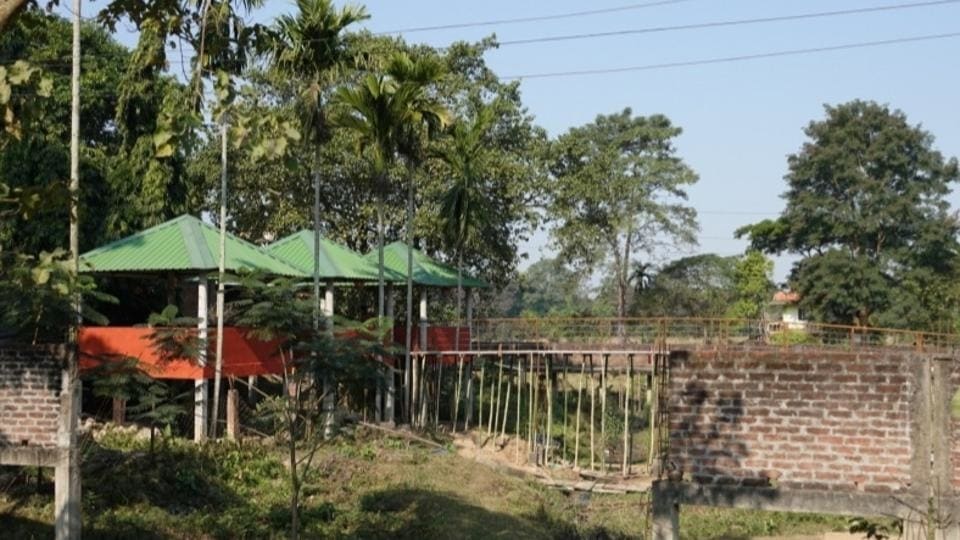
Despite the ban, work in Green Ashiyana Resort is taking place in the Haldhibari animal corridor of KNPTR amid a blame game between the state forest department and local administration.
This is the second instance of construction activity near KNPTR. In July last year, HT had reported about the construction of a building in Kanchanjuri animal corridor of the park, a UNESCO world heritage site known for being the largest habitat of one-horned rhinos.
Also Read:
In April, 2019, acting on an application by animal activist Rohit Choudhury, the Supreme Court had “restrained” all mining activities along the southern boundary of KNPTR and in the entire catchment area of rivers/streams and rivulets originating in Karbi Anglong hill ranges and flowing into the park.
“No new construction shall be permitted on private lands which form part of the nine identified animal corridors,” the order stated.
But despite the Supreme Court order, constructions on private land on the animal corridors in and around KNPTR are taking place.
In September last year, the centrally empowered committee of Supreme Court had written to Assam chief secretary as well as chief wildlife warden terming the violations as a “serious issue” as they amounted to contempt of the apex court.
On January 4 this year, P Sivakumar, director, KNPTR, wrote to Golaghat deputy commissioner mentioning the construction of Green Ashiyana Resort in the animal corridor and urging the district administration to take action.
“A boundary wall over the stream in the southern side of the resort has been constructed. During October, 2019, a wild elephant, while returning from the Karbi Anglong area to the park had got stuck inside the boundary wall enclosures of the resort,” the letter said.
Despite instructions by the forest department to remove the boundary wall over the stream and allow smooth movement of wild animals, the resort authorities didn’t do anything.
“There is new construction work on the eastern side. They are not allowing forest personnel to carry out road/highland work and are trying to control the temple and fishery pond which they have constructed inside,” the letter added.
Golaghat deputy commissioner Bibhash Chandra Modi stated that they came to know about the construction just two days ago from the forest department. He assured that action would be taken against the resort soon.
“This is a mockery and contempt of the Supreme Court order and neither forest department nor civil administration are serious in implementing the order. While the blame game continues, it is the wildlife and the environment which is getting affected. The Supreme Court should take action against the KNPTR director as well as the Golaghat DC for clear violation of its order,” said wildlife activist Rohit Choudhury.
Owner of Green Ashiyana Resort, Kishore Hazarika, mentioned that he has been in occupation of the property since 2003 and till 2019 he was not informed by either forest officials or the district administration that the area is part of an animal corridor.
“All this is part of a vindictive campaign against me. There is no notification yet mentioning that the area is in an animal corridor. And even if that is the case, there should be a comprehensive compensation package if action is taken against me or others who have been staying in the area,” said Hazarika.
