E-Paper



World Health Day: Address inequities to build a healthier world, says WHO
At a high-level virtual event on World Health Day on Wednesday, the health ministers of countries in south-east Asia, including India, will commit to “building a fairer and healthier world”, the theme for this year’s event


At a high-level virtual event on World Health Day on Wednesday, the health ministers of countries in south-east Asia, including India, will commit to “building a fairer and healthier world”, the theme for this year’s event.
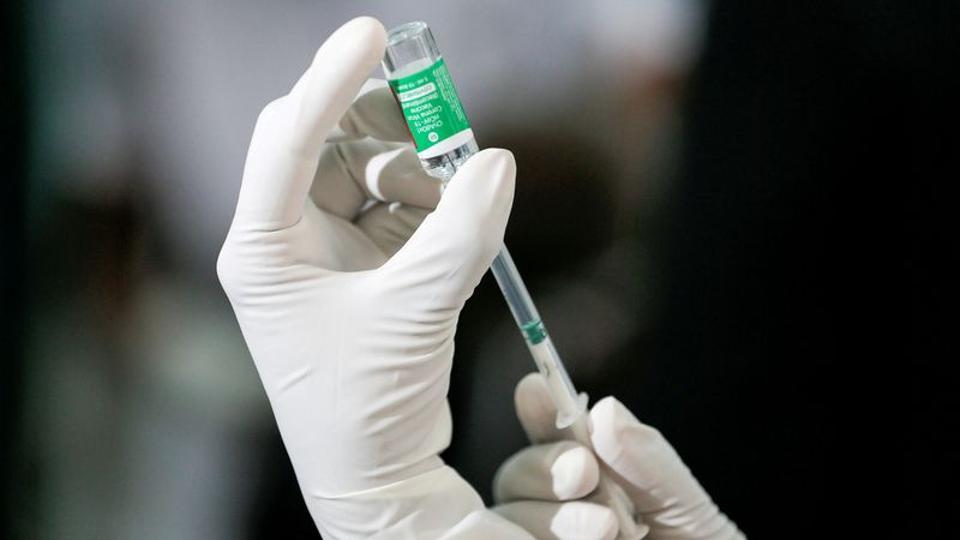
The World Health Organization (WHO) has asked the countries in the south-east Asia region to prioritise actions to address inequities compounded by the ongoing coronavirus disease (Covid-19) pandemic.
“Covid-19 is just the latest disease to expose, exploit and exacerbate inequities that negatively impact health and socioeconomic outcomes between and among vulnerable groups. Understanding and overcoming the many social and economic determinants of health is becoming critical in our efforts to achieve universal health coverage,” said Dr Poonam Khetrapal Singh, regional director, WHO south-east Asia.
World Health Day is celebrated every year on April 7, with a different theme.
Also Read | Delhi, Mumbai, Bengaluru: These cities are under curbs as Covid-19 cases rise
The United Nations health body stressed the need for collecting quality data to be able to take timely action.
“We must enhance the collection and use of timely and reliable health data that is disaggregated by gender, age, income, education, migratory status and disability among other factors,” said Khetrapal Singh.
India on Monday launched Integrated Health Information Platform (IHIP), the revised next generation Integrated Disease Surveillance Programme (IDSP) that is totally digital, in line with Union health ministry’s National Digital Health Mission.
Instead of manually collecting data on infectious diseases, the new platform will upload and collate data digitally that will help pick up any clustering in realtime, and in turn avert a potential outbreak in the country.
Also, the number of diseases to be covered as part of the country’s disease surveillance programme has been extended to 33, from the existing 18.
Another key measure suggested by WHO is for the countries to strengthen their primary health care delivery system.
“The launch of health and wellness centres under the government’s Ayushman Bharat Yojana will serve the exact same purpose, to be able to deliver primary health care at the grassroots level; making healthcare accessible even in hard-to-reach areas,” said a senior government official.
The UN body also suggested that there was a need for countries to act beyond national borders, and strengthen regional and global health security.
“As a new wave of infection is spreading across the region, there is a need for countries to come together, and strengthen the basic public health measures that are known to work, while also accelerating vaccine rollouts. Nearly 86 million people in the region have now received their first dose and more than 14 million have received both doses,” said Khetrapal Singh.
“...The region continues to make rapid and sustained progress against diseases of poverty and marginalisation... All people have the right to achieve the highest attainable standard of physical and mental health. A fairer and healthier region and world is possible,” she added.