
 E-Paper



No consolation: Why second place counts too

 Prefer HTon Google



History rarely celebrates the runner-up. But we should. It’s where the tales of grit and comebacks lie
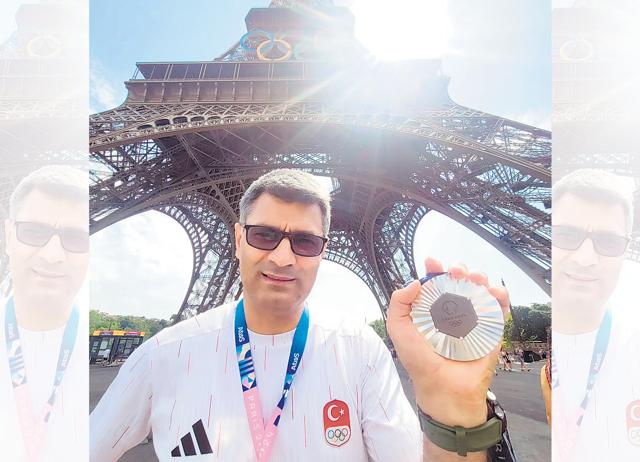
What does the world at large remember from the 2024 Paris Olympics? Chances are, we only recall Yusuf Dikec, the silver-haired Turkish shooter who stood there nonchalantly (no gear, nothing), looking almost bored as he took aim against the world’s best.
Dikec and his teammate won silver. But his hitman pose was so epic, no one even remembers who won. Let that be a reminder to anyone assessing their accomplishments in 2024, that coming in second isn’t so bad after all.
Silver-medal syndrome is a real thing. A landmark study in 1995, the first of its kind, published in the Journal of Personality and Social Psychology, analysed video footage of winners’ reactions from the 1992 Barcelona Games. It found that silver medallists tend to feel more disappointed than bronze winners.
Indian athletes know the feeling. “For three consecutive years at the Nationals, I was winning only silver medals, and it left me feeling desperate, and unhappy, and, honestly, took the joy out of competing,” recalls Suma Shirur, former Indian shooting team coach and founder of Lakshya Shooting Club. “It is painful to come so close.”
No one is interested in those who almost made it – but we should. Because second-place finishes are where stories of hope and grit lie. Aishwarya Rai lost the Miss India title to Sushmita Sen in a close competition in 1994. The media played up their rivalry. But she went on to win the Miss World title in the same year, silencing the haters. The Adam Lambert - Kris Allen rivalry on S8 of American Idol had us hooked in 2009. Allen won. But it’s Lambert who landed bigger music opportunities.
In every competition, as in life, it’s not about winning, but the legacy we leave behind. Rewind a little to July 2023, when Barbie and Oppenheimer went head-to-head at the cinemas. Both made billions. Oppenheimer won Best Picture at the Oscars. But Barbie’s cultural impact has been indisputably bigger.
Sometimes, coming second can literally taste sweet. Pepsi and Coca-Cola have been competing since the late 1800s. Coca-Cola dominates the market. But blind taste tests – there’s seems to be one in every generation – show that consumers prefer the sweeter flavour of Pepsi. Even sportspersons say that placing second isn’t something to cry over. “You’ve reached that point in your journey because you were good enough to get there,” says Karman Kaur Thandi, tennis player. “There are things I believe I could have done better on the court, but I got that kick of hitting the tennis ball with my racquet.”

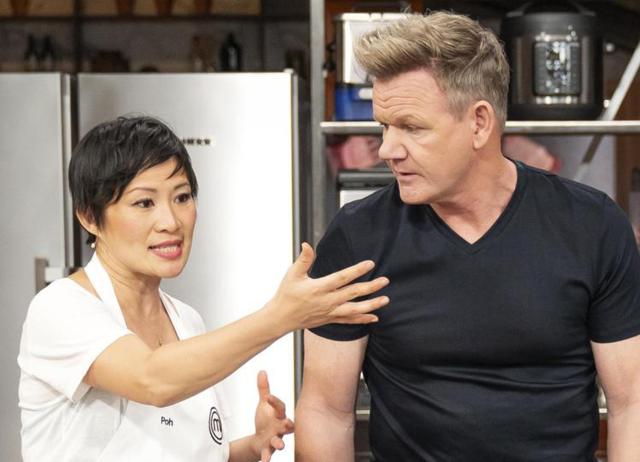
There’s a silver lining for every runner-up: They escape the glare of public scrutiny. Some use it to launch the ultimate hater showdown. Malaysian-Australian chef Poh Ling Yeow was eliminated in the final rounds in S1 of MasterChef Australia in 2009. At the time, she admitted feeling as though she’d failed herself. But the show helped springboard her career as a chef, cookbook author, and TV host, and eventually as a judge on the same show, 11 years later.
There can be only one winner in a competition. But there’s always more than one lesson to learn.For Shirur, focusing on the competition, not the outcome, helped her eventually win gold for the first time in 2004. Kaur says competing taught her to “play my match, and not think about winning or losing”. And in case you’ve forgotten, the team that beat Dikec are Serbian shooters Zorana Arunović and Damir Mikec.
From HT Brunch, December 21, 2024
Follow us on www.instagram.com/htbrunch


