
 E-Paper



When is it OK to take a rapid antigen test for Covid-19 rather than lining up for a PCR swab?


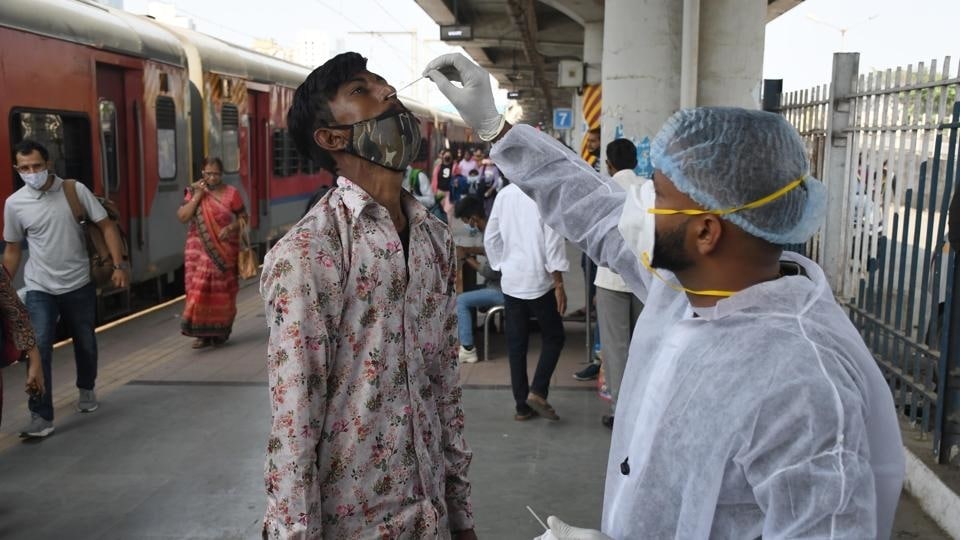
PCR tests are used to diagnose SARS-CoV-2 infections. This test looks for SARS-CoV-2 genetic material. Rapid antigen tests instead detect viral proteins.
With Christmas around the corner and Covid-19 case numbers rising, it’s important to keep getting tested when you have symptoms, have been exposed to the virus, or are going to a high-risk environment.
Now we have access to PCR tests (known as RT-PCR, or reverse transcription-polymerase chain reaction, tests) and rapid antigen tests to detect SARS-CoV-2, the virus that causes Covid.
So which test should you use? And what’s the difference?
How the tests work
In Australia, PCR tests are used to diagnose SARS-CoV-2 infections. This test looks for SARS-CoV-2 genetic material.
RT-PCR converts viral RNA to DNA and amplifies the genetic sequence, making billions of copies, to a point where these copies can be detected.
Because the test can amplify tiny amounts of viral genetic material, it’s considered the gold standard and can detect infection in earlier stages than other tests like rapid antigen tests.
ALSO READ | Omicron scare: New rapid test identifies how antibodies fight Covid-19 variants
Rapid antigen tests instead detect viral proteins. The proteins bind in the solution to antibodies that become fluorescent to indicate the presence of the proteins.
Rapid antigen tests are:
1. Quicker than PCR tests (15-20 minutes versus hours to days to get a result)
2. Can be done in the home compared to having to line up and wait for a swab, which then has to be analysed in a laboratory.
But they’re less sensitive than a PCR test because there is no amplification process.
How effective are they?
While both tests are more likely to correctly detect an infection when the person’s viral load is high, PCR tests are more sensitive than rapid antigen tests.
An Australian study comparing the sensitivity (correctly diagnosing SARS-CoV-2 infection when you have it) of one type of rapid antigen test compared to a PCR test, found 77 per cent of positive antigen test results aligned with PCR test results.
This rose to 100 per cent when people were tested within a week of the onset of symptoms.
The Therapeutic Goods Administration provides a list of approved rapid antigen tests, which have results that align with PCR test 80-95 per cent of the time, provided the test is done within a week of symptom onset. Some of these tests are rated as very high sensitivity, with 95 per cent agreement with PCR tests.
Which test to take when?
Take a RT-PCR test if you:
1. Have Covid symptoms.
2. Have a known exposure to someone with Covid.
3. Do a rapid antigen test and get a positive result, because PCR confirmation is required.
4. Are required to by your health department to be released from quarantine or isolation.
5. Are required to by a health department to get permission to travel to a location.
A PCR is the test of choice in these situations because it is more accurate at diagnosing an infection.
Consider a rapid antigen test if you:
1. Are planning to visit a sensitive site (for example, an aged care facility)
2. Are planning to have contact with someone at high risk from COVID (for example, an elderly person or someone on immunosuppressive treatment), and you want to protect them.
3. Have Covid symptoms but can’t get to a PCR testing site.
4. Are going to an event where lots of people will be mixing, particularly if it’s being held indoors where the risk of transmission is considerably higher.
5. Want to quickly check whether you might have a SARS-CoV-2 infection.
6. Are part of a regular Covid surveillance program (some workplaces require it, particularly in situations where the person is not fully vaccinated).
The rapid antigen test is considered to be a screening tool. In other words, it can indicate that you might be infected, but a PCR test is needed to confirm the result.
While a negative rapid antigen test result is not a guarantee that you aren’t infected, it does provide more protection for your contacts than not testing.
How often should I take a rapid antigen test?
It depends on the reason you are taking the test. If you’re part of a surveillance program, take the test when you are asked to.
If you don’t have symptoms, taking the test two to three times over a week can help improve test sensitivity because viral load waxes and wanes. Test sensitivity will be highest when the viral load is at its peak.
How does the Omicron variant affect testing?
The highly mutated Omicron variant appears to still be detected by both PCR and rapid antigen tests.
Ordinarily, a PCR test indicates whether or not you have a SARS-COV-2 infection but not which variant you have. Genome sequencing is needed to find that out.
However, some PCR tests look for a specific genetic sequence that is missing in the Omicron variant (called S gene target failure). Those particular PCR tests can not only detect a positive result but also whether it’s likely to be the Omicron variant.
