E-Paper



Monkeypox: All that you need to know
Surveillance strategies are in place through integrated disease surveillance programme, focussing on high-risk population groups

 Prefer HTon Google


On Saturday, World Health Organisation (WHO) declared monkeypox disease a public health emergency of international concern.
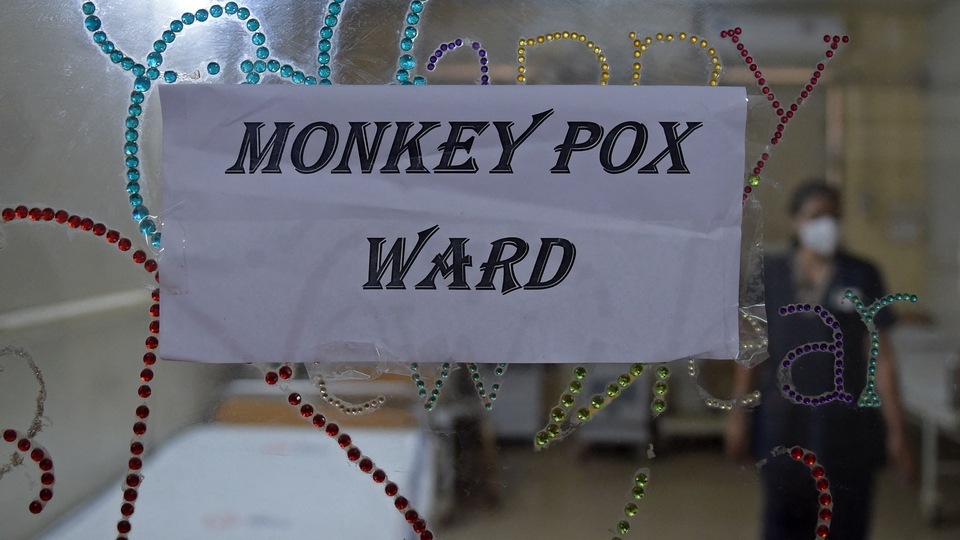
At least 16,000 cases and five deaths have been reported from around 75 countries across the globe that are non- endemic for the monkeypox virus.
Here is an explainer on the viral disease that’s fast spreading globally.
What is monkeypox?
It is a zoonotic disease caused by the monkeypox virus. It can spread from animals to humans, and also between people.
Where is it typically found?
It is commonly found in Central and West Africa where there are tropical rainforests and where animals that may carry the virus typically live. People with monkeypox are occasionally identified in other countries, following travel from regions where the disease is endemic.
Why did the disease became a cause for concern?
Since early May 2022, cases have been reported from non-endemic countries, and continue to be reported in several endemic countries. Most confirmed cases with travel history reported travel to countries in Europe and North America rather than west or central Africa.
This is the first time that many monkeypox cases and clusters have been reported concurrently in non-endemic and endemic countries in widely disparate geographical areas.
What are the symptoms of monkeypox?
Fever, intense headache, muscle aches, back pain, low energy, swollen lymph nodes and a skin rash or lesions. The rash usually begins within one to three days of the onset of fever. Lesions can be flat or slightly raised, filled with clear or yellowish fluid, and can then crust, dry up and fall off.
Is it fatal?
In most cases, the symptoms go away on their own within a few weeks, but in some individuals, they can lead to medical complications and even death.
Newborns, children and people with underlying immune deficiencies may be at risk of more serious symptoms and death. Complications include skin infections, pneumonia, confusion, and eye infections that can lead to loss of vision. Around 3 - 6% of reported cases have led to death in endemic countries in recent times.
How does it spread from animals to humans?
It can spread to people when they come into physical contact with an infected animal. Animal hosts include rodents and primates. The risk of catching monkeypox from animals can be reduced by avoiding unprotected contact with wild animals, especially those that are sick or dead (including their meat and blood).
In endemic countries where animals carry monkeypox, any foods containing animal meat or parts should be cooked thoroughly before eating.
How does it spread from person to person?
People with monkeypox are infectious while they have symptoms (normally for between two and four weeks). You can catch monkeypox through close physical contact with someone who has symptoms. The rash, bodily fluids (such as fluid, pus or blood from skin lesions) and scabs are particularly infectious. Clothing, bedding, towels or objects like eating utensils/dishes that have been contaminated with the virus from contact with an infected person can also infect others.
Ulcers, lesions or sores in the mouth can also be infectious, meaning the virus can spread through saliva. The virus can also spread from someone who is pregnant to the foetus from the placenta, or from an infected parent to child during or after birth through skin-to-skin contact. It is not clear whether people who do not have symptoms can spread the disease.
Who is at risk?
Anyone who has close physical contact with someone who has symptoms of monkeypox, or with an infected animal are at highest risk of infection. People who were vaccinated against smallpox are likely to have some protection against monkeypox infection.
However, younger people are unlikely to have been vaccinated against smallpox because smallpox vaccination stopped worldwide after smallpox became the first human disease to be eradicated in 1980.
Even though people who have been vaccinated against smallpox will have some protection against monkeypox, they also need to take precautions to protect themselves and others. Newborns, children and people with underlying immune deficiencies may be at risk of more serious symptoms and death from monkeypox. Health workers are also at higher risk due to longer virus exposure.
What can offer protection against the disease?
The risk can be reduced by limiting contact with people who have suspected or confirmed monkeypox. If you do need to have physical contact with someone who has monkeypox because you are a health worker or live together, encourage the infected person to self-isolate and cover any skin lesion if they can (e.g., by wearing clothing over the rash).
When you are physically close to them, they should wear a medical mask, especially if they are coughing or have lesions in their mouth. You should wear one also.
Avoid skin-to-skin contact whenever possible and use disposable gloves if you have any direct contact with lesions. Wear a mask when handling any clothes or bedding if the person cannot do it themselves. Regularly clean your hands with soap and water or an alcohol-based hand rub, especially after contact with the person who is infected, their clothes, bed sheets, towels and other items or surfaces they have touched or that might have come into contact with their rash or respiratory secretions (e.g., utensils, dishes). Wash the person’s clothes, towels and bedsheets and eating utensils with warm water and detergent. Clean and disinfect any contaminated surfaces and dispose of contaminated waste (e.g., dressings) appropriately.
Can children get it?
Children are typically more prone to have severe symptoms than adolescents and adults. The virus can also be passed to a foetus or to a new born through birth or early physical contact.
What to do if there are symptoms?
If you think you have symptoms or have been a close contact of someone with monkeypox, contact your doctor for advice. If possible, self-isolate and avoid close contact with others. Clean hands regularly and take the steps listed above to protect others from infection.
Is there a vaccine?
There are several vaccines available for prevention of smallpox that also provide some protection against monkeypox. A newer vaccine that was developed for smallpox (MVA-BN – also known as Imvamune, Imvanex or Jynneos) was approved in 2019 for use in preventing monkeypox and is not yet widely available.
What’s the treatment?
The symptoms often resolve on their own without the need for treatment. It is important to take care of the rash by letting it dry if possible or covering with a moist dressing to protect the area if needed. Avoid touching any sores in the mouth or eyes. Mouth rinses and eye drops can be used as long as cortisone-containing products are avoided. Vaccinia immune globulin (VIG) may be recommended for severe cases. An antiviral that was developed to treat smallpox (tecovirimat, commercialized as TPOXX) was also approved for the treatment of monkeypox in January 2022.
Is it a sexually transmitted infection?
It can spread from one person to another through close physical contact, including sexual contact. It is currently not known whether monkeypox can be spread through sexual transmission routes (e.g., through semen or vaginal fluids), but direct skin-to-skin contact with lesions during sexual activities can spread the virus.
Are men who have sex with men at higher risk of catching monkeypox?
The risk of monkeypox is not limited to people who are sexually active or men who have sex with men. Anyone who has close physical contact with someone who is infectious is at risk. However, WHO said for the moment this is an outbreak that is concentrated among men who have sex with men, especially those with multiple sexual partners meaning the outbreak can be stopped with the right strategies in the right groups.
How is the government of India preparing?
On May 25, the Government of India began screening suspected passengers at all points of entry— airports, seaports and land border crossings. All states have been directed to have dedicated isolation facilities ready for positive and suspected cases, and build adequate testing capacity including genome sequencing. Surveillance strategies are in place through integrated disease surveillance programme, focussing on high-risk population groups.
(The explainer relies on scientific information provided by WHO)