
 E-Paper



My prayer to SC: Don’t exclude LGBTQ+ citizens
I may be part of the urban elite, but I am not a concept. I am a real person seeking equal protection under the law for my fundamental right to marry

 Prefer HTon Google


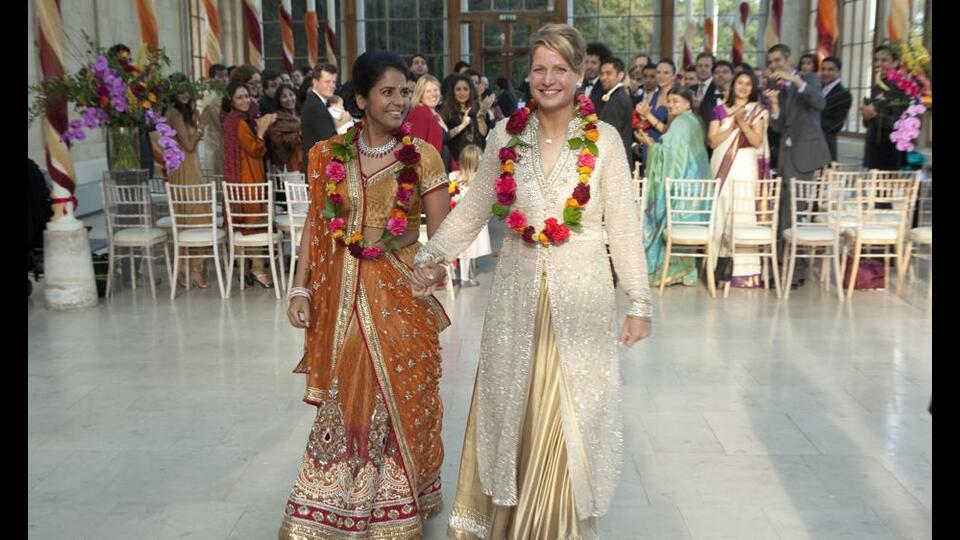
The happiest day in my life was when I was legally united with my same-sex spouse, Amanda, in a civil ceremony held on September 17, 2011, in London. It has been my lifelong dream to renew my vows with Amanda in my birth country, India. This week, the Supreme Court (SC) started hearing petitions from the Lesbian, Gay, Bisexual, Transgender and Queer (LGBTQ+) community, arguing for same-sex marriage equality in India. So finally, there’s a good chance that my dream could come true.
Marriage is the most enduring of society’s institutions. In India, “settling down” is essential to being an adult and fulfilling one’s role in society. So, staying single into your 30s and 40s is a matter of concern for all families, across all socioeconomic groups, in both urban and rural areas. Yet the idea of LGBTQ+ people seeking the right to marry is sometimes seen as controversial.
My experience has been that allowing the LGBTQ+ community the right to marry takes nothing away from the heterosexual majority’s right to marry, nor does it change the essential values of marriage. I understand the essential importance of marriage as a union between two people who share love, affection, stability, permanence, responsibility and a sense of belonging to family and community. Some LGBTQ+ citizens share these values as profoundly as some heterosexual citizens. In India, marriage is the bedrock of family and cultural life. Therefore, excluding the LGBTQ+ community from this fundamental human right is discriminatory and cruel.
Born in 1978 and growing up in the 1990s, being lesbian in India was a stigma. This taboo existed partly because homosexual acts were illegal under Section 377 until 2018 and partly because families were afraid to accept homosexuality. It took me 20 years to fully come out of the closet, starting with me first telling my sister in confidence in 1995, all the way to me coming out publicly to the Indian media in 2015 at the Godrej Culture Lab in Mumbai. Each time I took a step forward out of the closet, my life improved, as I shunned secrecy and sought respect from family, friends and society. Getting formally married in front of friends and family in London in 2011 was a major public step. My family were a little nervous about societal backlash (log kya kahenge, or what will people say), but they ultimately wanted me to be happy, not lonely, so they supported my wedding by attending it in full force.
I never expected that being married would give me so much legitimacy. People congratulated us everywhere, giving us their blessings and more respect than we ever received as a “live-in couple”. Being married grants many privileges, including emotional and financial benefits. Heterosexual couples often take these rights for granted, but I never did. I had anticipated the financial rights that would become available to us (but only in the United Kingdom, not in India) after marriage — the ability to open a joint bank account, get named as a nominee on demat accounts, join as a spouse on medical and life insurance policies, jointly purchase property, co-sign rental leases, visit my spouse in the hospital and take medical decisions on her behalf if required. But the emotional benefits were bigger and better than I ever imagined — the feeling of security, belonging and affection the entire family lavished on us as we celebrated our union. Amanda was now truly part of the family, welcomed as a bahu, a masi, a bhabhi, and always invited to all family functions.
Amanda and I chose not to adopt children, but we are close to our nephews and nieces. My sister’s sons, now aged 15 and 12, have been integral to our lives since they were born. They attended our civil ceremony when they were 3.5 years and nine months, respectively, meaning they have known about same-sex marriage since they can remember. They call both of us masi. We never bored them with long explanations. We simply explained that Radhika masi and Amanda masi live together in the same way as Mama and Papa do. They visit our home and play with us all the time. We are normal to them.
Amanda and I have now been married for over a decade. Over the years, we have faced the same joys and challenges of any long-married couple — professional advances and setbacks, new family members being born, relatives passing away, shifting houses, relocating to different cities and taking care of aging parents. I know I could not weather life’s ups and downs without Amanda. We made lifelong vows to each other. Some may think this matter is trivial, elite, and irrelevant to the public, but I can assure you that being married is not trivial or irrelevant in my life. I may be part of the urban elite, but I am not a concept. I am a real person seeking equal protection under the law for my fundamental right to marry. I pray to the court that I will not be excluded or discriminated against because I am lesbian.
Radhika Piramal is Executive Vice-Chairperson, VIP Industries and one of India’s only openly queer corporate leaders. The views expressed are personal


