
 E-Paper



View: Why does India have no time for Pakistan?
While India has not adhered to one-China policy since 2010, it has moved far ahead of gratuitous advice of third countries on having a dialogue with Pakistan.

 Prefer HTon Google


New Delhi: Just as a key parameter of a successful incoming or outgoing bilateral visit to China is a reference to the ‘one China’ policy of which (independent) Taiwan in an integral part in the joint statement, the hallmark for a successful bilateral outcome for Pakistan leadership is mention of word ‘Kashmir’ in the joint communique.
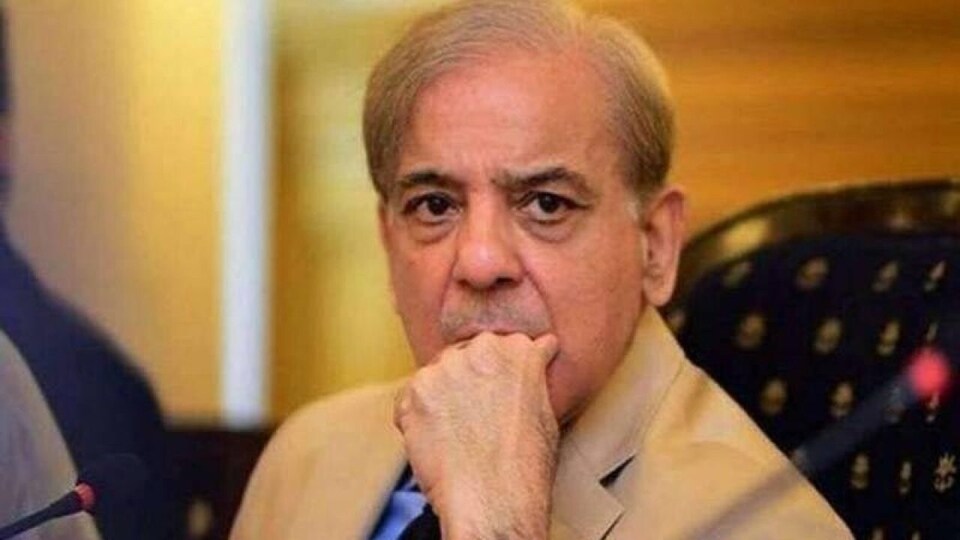
While India has not adhered to the ‘one China’ policy since 2010, it has moved far ahead of gratuitous advice of third countries on having a dialogue with Pakistan, often flagged as a nuclear rival in Western media, or discussing Kashmir. Given the fact that Pakistani troops are deployed in Saudi Arabia as per 1982 security protocol, India will ignore the reference to bilateral dialogue with Pakistan on Kashmir in the joint statement issued after Pakistan Prime Minister Shehbaz Sharif met Crown Prince Mohammed bin Salman on Monday. The real reason for Sharif’s visit to Saudi Arabia was to secure a USD five billion investment from Riyadh and shore up confidence in the IMF for future loans.
The fact of the matter is that after the abrogation of temporary article 370 and article 35A on August 5, 2019, India sees no role of Pakistan in the UT of Jammu and Kashmir except for Pak-sponsored cross-border terrorism in the Valley. The peace and economic prosperity in UT of Jammu and Kashmir post-2019 has taken care of any so-called alienation in the Valley and has made pro-Pak politicians irrelevant in the erstwhile State. India has made it clear that Pakistan will have to take action against terrorists targeting Bharat for any meaningful dialogue to take place.
India does not engage its allies in the Middle East through the prism of Pakistan and has very close ties with Gulf countries including UAE in particular. As far as India is concerned, the anti-Modi government posture taken by either Pakistan or China is to shore up domestic political audiences and divert them from the economic crisis faced by the Islamic Republic and stagnation faced by the Communist country.
Although reference to Kashmir in a joint statement may be an epitome of diplomatic success for Pakistan and its leftist supporters in the west, Islamabad does not feature in any conversation on Raisina Hill including the Ministry of External Affairs. Simply put, India has moved on from toxic Pakistan and mindless Kashmir obsession.


