
 E-Paper



Iraq: Spy satellite images lead archaeologists to historic site Battle of al-Qadisiyah, which helped Islam spread
In the 630 Battle of al-Qadisiyah, the Arab army emerged victorious and continued its march into Persia, contributing to the spread of Islam beyond West Asia.

 Prefer HTon Google


Declassified US spy satellite images have led archaeologists to a site they believe is the site of the Battle of al-Qadisiyah in Iraq, which helped Islam spread beyond West Asia. Their findings have been published in the journal Antiquity, The Associated Press reported.
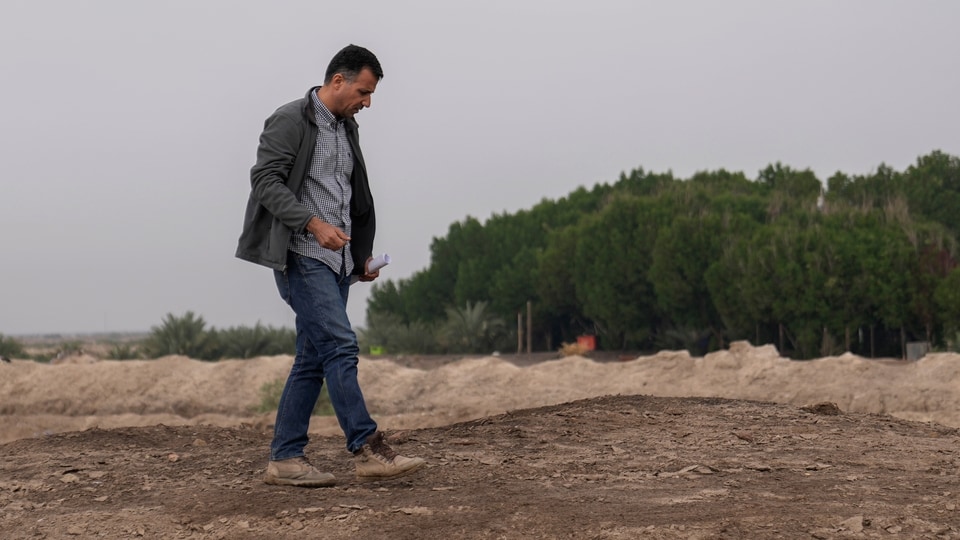
The 630 AD battle was fought in erstwhile Mesopotamia -now Iraq- between the Persian Sassanids and Arab Muslims. The Arab army emerged victorious and continued its march into Persia, now Iran, contributing to the spread of Islam beyond West Asia.
A British-Iraqi archaeological team was using declassified images for a remote sensing survey to map the Darb Zubaydah, a pilgrimage route built more than 1,000 years ago from Iraq’s Kufa to Mecca in Saudi Arabia.
Also read: Iraq tries to avoid regional fight as militias fire at Israel
During their survey the team spotted a site, 30 kilometers south of Kufa in Iraq’s southern Najaf province. The site was a desert area with scattered plots of agricultural land, but the team believes the landscape has features that closely match the description of al-Qadisiyah battle site described in religious texts.
“The Middle East has developed so much in the last 50 years, both agricultural and urban expansion,” he said. Some of the distinguishing features at the al-Qadisiyah site, such as a distinctive trench, were much more pristine and clear in the 1970s images,” said William Deadman, a specialist in archaeological remote sensing at Durham University in the UK.
A ground survey has identified key historical features and confirmed the team's findings. Key features of the landscape include a deep trench, two fortresses and an ancient river that was reportedly once forded by elephant-mounted Persian troops. The survey also found pottery shreds that match the features of historical references from that historical time period.
Also read: Iraq to amend marriage laws, allowing men to marry even 9-year-old girls: Report
A scientist in the team said modern-day Iraqis remember the battle largely due to the role of Iraq's slain ruler, Saddam Hussein. During his country's long war with Iran, Saddam often referred to the historical battle as a harbinger of victory for Iraq.
In post-Saddam Iraq, the citizens's view of the battle often depends on their sentiments towards Iran, whose influence has grown significantly since the US-led invasion in 2003.
“There is some political and religious context in this battle, because now, of course, we have religious differences, ethnic differences, political differences in Iraq and we read or we view everything based on our … differences. But, we all agree that it is a very important battle, a decisive one, and we all know about it,” said Jaafar Jotheri, a professor of archaeology at the University of Al-Qadisiyah.
The team plans to begin excavations at the site in the coming years. The discovery is part of a project launched in 2015 to document endangered archaeological sites in the region.
Iraq is often referred to as the “cradle of civilization”, but years of conflict have stunted archaeological explorations in the country. The digs have returned in recent years, and thousands of stolen artefacts have been repatriated.
(With AP inputs)


