
 E-Paper



Union Budget 2024: Will Nirmala Sitharaman bring income tax relief for middle class?
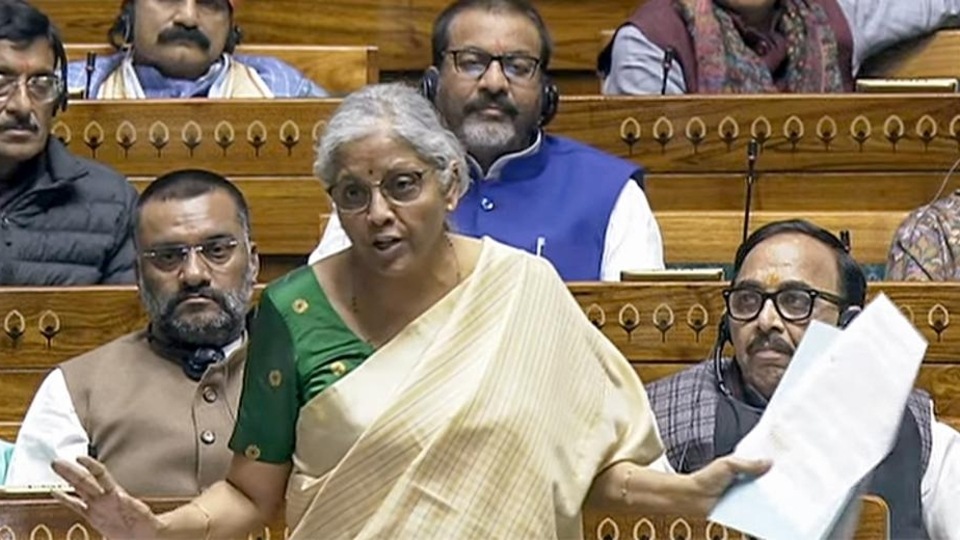
Finance Minister Nirmala Sitharaman may include cuts in direct taxes like income tax and also indirect taxes to boost consumption in the economy.

 Prefer HTon Google


With the Union Budget 2024 scheduled to be presented on July 23, 2024 by Finance Minister Nirmala Sitharaman, income tax slabs are an important component that has been getting a lot of attention lately, with reports suggesting there may be potential tax cuts for boosting consumption in the economy.
Also Read: Union Budget 2024: Your quick guide to the document and why it is being presented in July this year
This is despite the fact that the Finance Minister did not announce any changes in taxation in the interim budget this year presented on February 1.
What is an income tax slab?
An income tax slab refers to the different income tax rates assigned to different income levels.
Also Read: Budget 2024: EV policy changes likely, already invested automakers may benefit
India’s income tax is a progressive system, meaning that as a person’s income increases, the amount of tax they pay also increases, and the higher the income, the higher the percentage of the income they have to pay as tax, depending on the slab they fall into.
What are the current income tax slabs?
Income tax in India is divided into two types: The new tax regime and the old tax regime. The new tax regime introduced in 2020 is the default regime, with taxpayers having the option to switch to the old regime if they want to.
Also Read: Union Budget 2024: Date, time and all you need to know
Those with a salaried income can choose to opt for either in the beginning of any financial year, but for businesses and professionals, the choice can only be made once in a lifetime.
The current slabs for the new tax regime are as follows:
Up to ₹3 lakh: NIL
₹3-6 lakh: 5% on income which exceeds ₹3 lakh
₹6-9 lakh: ₹15,000 + 10% on income more than ₹6 lakh
₹9-12 lakh: ₹45,000 + 15% on income more than ₹9 lakh
₹12-15 lakh: ₹90,000 + 20% on income more than ₹12 lakh
Above ₹15 lakh: ₹1.5 lakh + 30% on income more than ₹15 lakh
For the old regime, there are three different slabs, divided on the basis of age groups; Below 60 years of age, which also includes the slabs for Hindu Undivided Families (HUFs), 60-80 years of age, and above 80 years of age.
For people below 60 years of age and for HUFs
Up to ₹2.5 lakh: NIL
₹2.5 lakh – ₹5 lakh: 5%
₹5 lakh – ₹10 lakh: 20%
Above ₹10 lakh: 30%
For people aged 60-80 years (Senior citizens)
₹0 – ₹3 lakh: NIL
₹3 lakh – ₹5 lakh: 5%
₹5 lakh – ₹10 lakh: 20%
Above ₹10 lakh: 30%
For people aged above 80 years (Super Senior Citizens)
₹0 – ₹5 lakh: NIL
₹5 lakh – ₹10 lakh: 20%
Above ₹10 lakh: 30%
What are the expected changes to the income tax slabs in the Union Budget 2024?
The government is considering to lower income tax rates for certain categories of individuals to boost consumption, Reuters had reported earlier, citing two unnamed government sources.
The government may also raise the standard deduction limit of ₹50,000 to somewhere between ₹50,000 to ₹1 lakh.


