
 E-Paper



10 lesser-known facts about former PM Manmohan Singh who just passed away
Manmohan Singh passed away on December 26, 2024, being admitted to the emergency ward of Delhi's All India Institute of Medical Sciences (AIIMS). He was 92

 Prefer HTon Google


Former Prime Minister Manmohan Singh passed away on Thursday, December 26, 2024, after being admitted to the emergency ward of Delhi's All India Institute of Medical Sciences (AIIMS). He was 92.
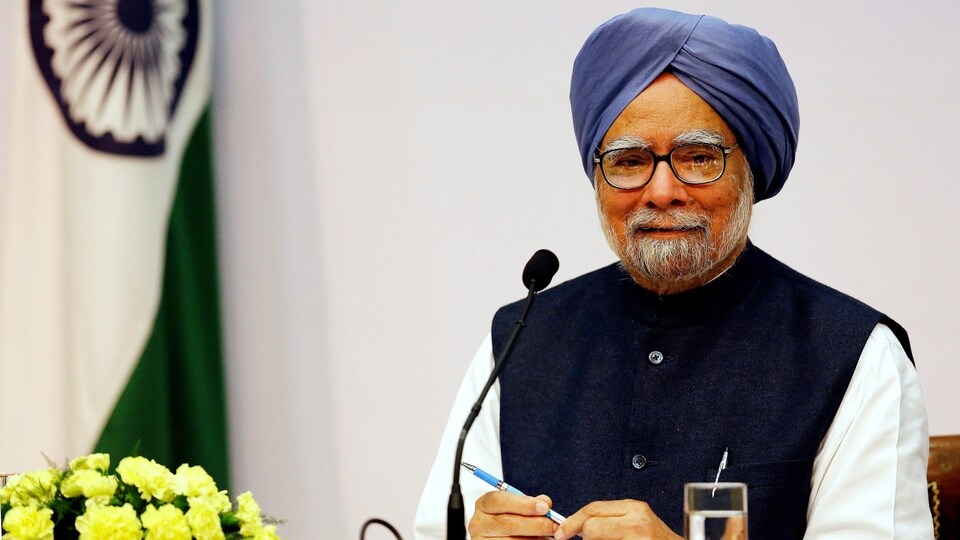
Singh was Prime Minister as part of the Congress-led government for two terms between 2004 and 2014. His tenure as India's Finance Minister was between between 1991 and 1996 under Prime Minister Narasimha Rao's government.
Also Read: Fixed deposit interest rates across banks: See list of FD rates up to 7.4%
Here are 10 facts you may not know about the former prime minister:
1) Manmohan Singh was one of two Reserve Bank of India (RBI) Governors who went on to become Finance Ministers, with the other being CD Deshmukh.
2) He was also one of four Finance Ministers who went on to become Prime Ministers. The others were Morarji Desai, Charan Singh, and VP Singh.
3) Singh was also among four top bureaucrats who became Finance Ministers alongside HM Patel, CD Deshmukh, and Yashwant Sinha.
4) Manmohan Singh's childhood home in Gah (undivided Punjab, now part of Pakistan) lacked electricity, piped water, and schools, requiring him to walk many miles and study under kerosene lamp light.
5) At the tender age of 14, he along with his family had to leave Gah and migrate to Amritsar after the partition.
Also Read: How will sale of used cars will be taxed under new GST rules? A simple guide
6) When India's first Prime Minister, Jawaharlal Nehru, offered Singh a position in the government in 1962, he declined it to continue teaching at his Panjab University in Amritsar, which was also his alma mater.
7) Manmohan Singh was the first non-Hindu person to become Prime Minister of India in 2004.
8) He had a habit of tuning into the BBC every morning. This played a crucial role when the 2004 tsunami crisis happened, as it allowed him to respond promptly.
9) While Singh could speak Hindi fluently, his speeches were written in Urdu due to him being proficient in the language.
10) Manmohan Singh never won Lok Sabha elections. He was instead, nominated to the Rajya Sabha by the Congress party in October 1991 after becoming Finance Minister. He represented Assam for five terms and then represented Rajasthan in 2019, till his term ended in April this year.
Also Read: 'Don't fall for it': Radhika Gupta of Edelweiss Mutual Funds on India's ‘startup romance’


