
 E-Paper



At least 20% of people infected with Covid-19 developed symptoms of acute kidney injury: report
According to the report these abnormalities manifested as a substantial leak of protein and blood in urine, resulting in the development of Acute Kidney Injury (AKI) in close to 15 per cent patients, hinting that Covid-19 also attacks the kidney.


At least twenty per cent of the people who have been infected with Sars-cov-2 virus which causes the Covid-19 (coronavirus) infection have developed abnormalities in kidneys, according to a report by International Society of Nephrology (ISN).
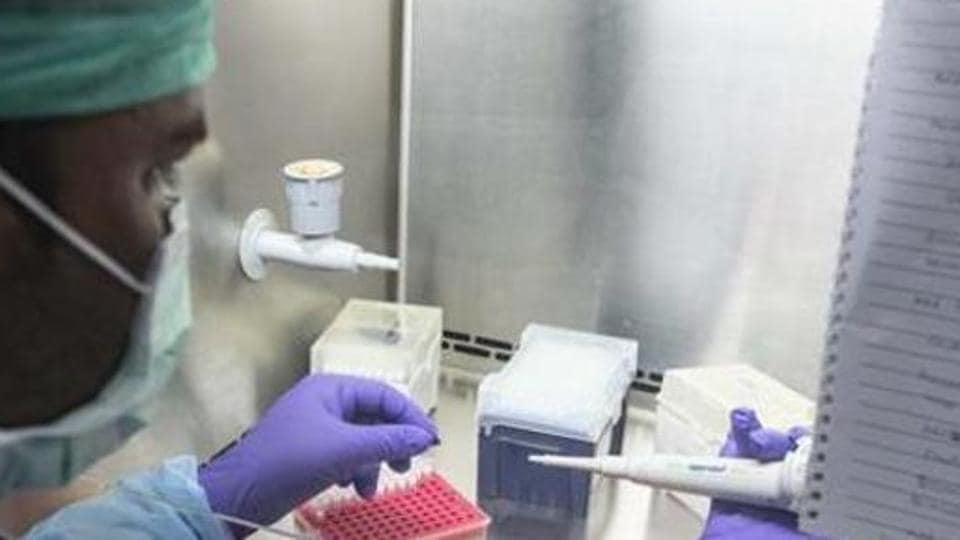
According to the report these abnormalities manifested as a substantial leak of protein and blood in urine, resulting in the development of Acute Kidney Injury (AKI) in close to 15 per cent patients, hinting that Covid-19 also attacks the kidney.
Dr Tarun Jalokha, nephrologist, Aditya Birla Hospital, said, “In the current pandemic, it has been reported and shared on a webcast from Italy and USA that Continuous Renal Replacement Therapy (CRRT) is the preferred modality of choice for dialysing patients of Covid-19 infection with acute kidney injury.”
“At some hospitals in the US, it was shared on a webcast that a load of patients were so huge that they were able to give CRRT only for 12 hours in a patient at a time and shifting to another patient. Hence, in absence of resources or even exhaustion of resources because of the huge and sudden burden of patients in ICUs, other modalities like conventional dialysis, SLED and Peritoneal dialysis also have been used to manage such patients,” Dr Jalokha.
“ All these modalities are complementary to each other and as patients improve, alternative modalities between all these can be utilised to get best possible results,” said Dr Jalokha.
The current treatment of Covid-19 with acute kidney injury includes general and supportive management and kidney replacement therapy. In the absence of effective antiviral therapy with smaller proportion requiring acute or urgent dialysis, Continuous Renal Replacement Therapy (CRRT) a term used for a collection of acute dialysis techniques can support these patients for 24 hours in a day especially to the critically ill patients suffering from acute kidney injury or having an overwhelming immune response.
Dr Aklesh Tandekar, intensivist, Apollo Hospital, said, “Patients of Covid-19 have severe cytokine storm suggested by elevated IL-6 levels which is responsible for organ dysfunction. Cytokine storm and fluid shifts control can translate into better outcomes.”
“Previous studies show that CRRT had been successfully applied in the treatment of Severe Acute Respiratory Syndrome (SARS) and the Middle East respiratory syndrome (MERS) illnesses related to previously known coronaviruses, which also manifested as respiratory illnesses,” said Dr Tandekar.
“At relatively higher doses, it can help clear the immune toxins, thus suggesting CRRT may play a role in patients with Covid-19 with acute kidney injury or high immune toxin load”, said Dr Tandekar.
Tandekar said, “In situations where shifts in fluid balance and metabolic fluctuations are poorly tolerated and in situations where other extracorporeal therapies are required, CRRT can be used as an integrated system and is preferred over parallel systems, as was highlighted by a recently published retrospective cohort study.”
“In the study, it was found that 36 Covid-19 patients requiring invasive mechanical ventilation, where CRRT was associated with a reduction in mortality than those treated without CRRT. However, the potential role of extracorporeal therapy techniques needs to be evaluated by the treating physician,” said Dr Tandekar.
Experts are unanimous that acute dialysis techniques such as CRRT may also be effective in treating patients with Covid-19 and sepsis syndrome irrespective of their kidney function. Considering the ongoing scenario and the increasing rate of kidney involvement due to Covid-19, such extracorporeal therapies may play an important role in the treatment of severely ill patients.
Right treatment by the experts at the right time can save the lives of the infected people who are battling between life and death, say experts.