
 E-Paper



Iranian imports, cold stores in eye of the storm as Himachal apple prices crash
In a double whammy for Himachal, which boasts of a ₹6,000 crore apple economy,cheaper Iranian apples have flooded the market and cold storage chains have significantly reduced their apple procurement rates


It is peak apple harvest season in Himachal, but the growers’ outlook has never been so bleak. Just last week, a 20-kg carton of premium quality apples was being sold for ₹2,200, but its price has now plummeted to ₹1,000 to ₹700, fanning fears that growers might not be able to recover their input costs this year, let alone make a profit.
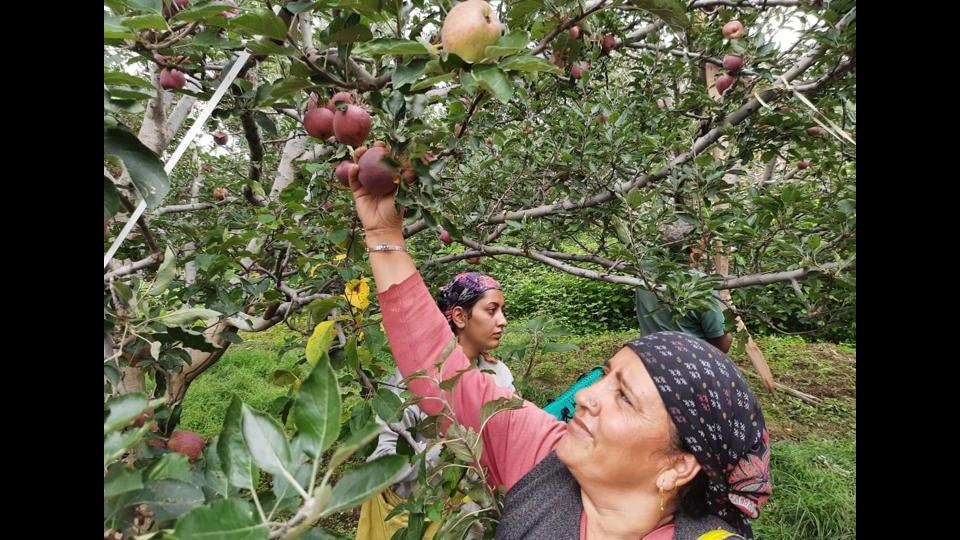
In a double whammy for Himachal, which boasts of a ₹6,000 crore apple economy, cheaper Iranian apples have flooded the market and cold storage chains have significantly reduced their apple procurement rates. Adani Agrifresh Limited, one of the most prominent private cold storage chains, has reduced its apple procurement rates by 21%, three weeks after it started procuring fruits at the three controlled atmospheric stores in Bithal (Rampur), Mehadali (Rohru) and Sainj (Kotkhai).
The prices (per kilogramme) for large, medium and small apples has fallen to ₹68 from ₹76, while extra-large and walnut sized apples are selling for ₹41 against ₹52 earlier. Experts say fluctuating rates at cold storages have affected fruit markets both within and outside the state.
A disgruntled apple trader, Ashok Sarta, says, “Where we were expecting apple prices to increase as growers are harvesting fruits from high altitudes, which are known for their quality and durability, the fruit prices have dropped instead. As recently as 15 days ago, arhtiyas were selling apple boxes for up to ₹2,100, but now they are struggling to sell them for ₹1,300.”
Growers allege nexus between traders and companies
Blaming the nexus between traders and companies for the apple market crashing, Progressive Growers Association president Lokinder Singh Bisht said, “The crash was caused due to manipulations by traders and private cold storage corporations who are using the smaller size of the fruit this year as an excuse to reduce the rates in peak procurement season. If the prices dip in the wholesale market, its reverberations should also be felt in the retail market, but it is not so. In a grave injustice to apple growers that their product is being bought at an all-time low rate, while customers are purchasing second grade apples at exorbitant prices.”
Training his guns at Adani Agrifresh Limited, Ashutosh Chauhan, an apple grower from Ratnari village, said, “The company is creating a sense of panic, by reducing the rates every third day, a ₹2 reduction on their part, causes the prices to drop by ₹200- ₹300 in the market. Premium fruit is being bought at a throwaway price and stored, while farmers are being fleeced.”
“There are 18 private companies in Himachal Pradesh that purchase 8% of the apple produce, of which 2% is bought by Adani Agrifresh Limited. Thus the impact on the market is huge,” he adds.
However, an Adani group spokesperson said,” Procurement prices are always discovered by the market on the basis of prevailing conditions, which include demand and supply, the total yield, and the quality of the crop. In Himachal Pradesh, this year’s harvest is better in both quality and variety of apples than in past years. Besides paying the apple farmers higher prices than prevailing market prices, we also offer them several other facilities, such as free crates and hail nets, timely payments, subsidised fertilizers, and more. At the same time, due to long waiting periods caused by heavy load arrivals, we have been occasionally forced to put on hold the procurement process at our centres. This helps to ensure that the quality of the fruit is not affected.”
So far, the group has procured 16,000 tonnes of apples.
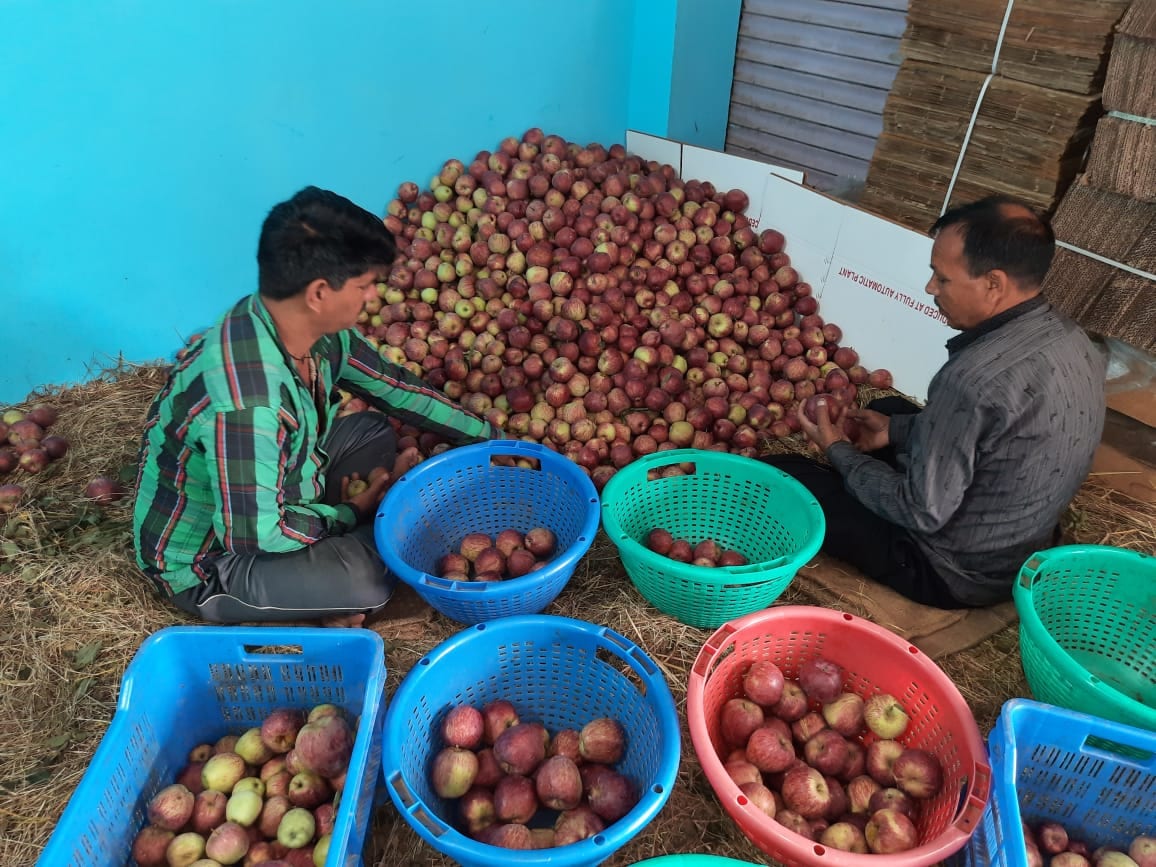
Caught between devil and the deep blue sea
Asserting that farmers were stuck in a no-win situation, Harish Chauhan, convener of Sanyukt Kisan Manch, says both farmers and buyers are sceptical about storing their fruit in cold storage as cheaper apples from Iran are the preferred choice for retailers.”
Last year around one lakh metric tonnes of apples were kept in the cold stores as well as the controlled atmospheric stores in different parts of the country, including Chandigarh, Kundli and Sonepat in Haryana, Ahmedabad, Chennai, Hyderabad and Vijayawada. However, they are unlikely to fetch a better price this year as well as for the last three years, home-grown apples have been facing stiff competition from duty-free fruits being imported from Iran under India‘s Free Trade Agreement.
Mostly the red delicious variety, which is grown in Iran, Uzbekistan and Turkmenistan, makes its way into India. Apple growers of Jammu and Kashmir, Uttarakhand and Himachal Pradesh have long been demanding that duty-free import of fruits be rolled back, but to no avail.
Agricultural Produce Marketing Corporation chairperson Naresh Sharma says, “The government is trying to provide relief to the framers and it has set-up a high-level committee to fix the price for apples procured by private companies.”
