E-Paper



Delhi govt to import 300,000 Dutch tulips for planting in RWAs, local parks
Delhi has imported and planted over 1.5 million tulips from Europe and Asia. Plans include importing 300,000 more from the Netherlands for local planting.


Over the last two years, the Delhi Development Authority (DDA) and New Delhi Municipal Council (NDMC) procured nearly 650,000 tulips from southern Europe and central Asia and planted them at 65 spots across the Capital.
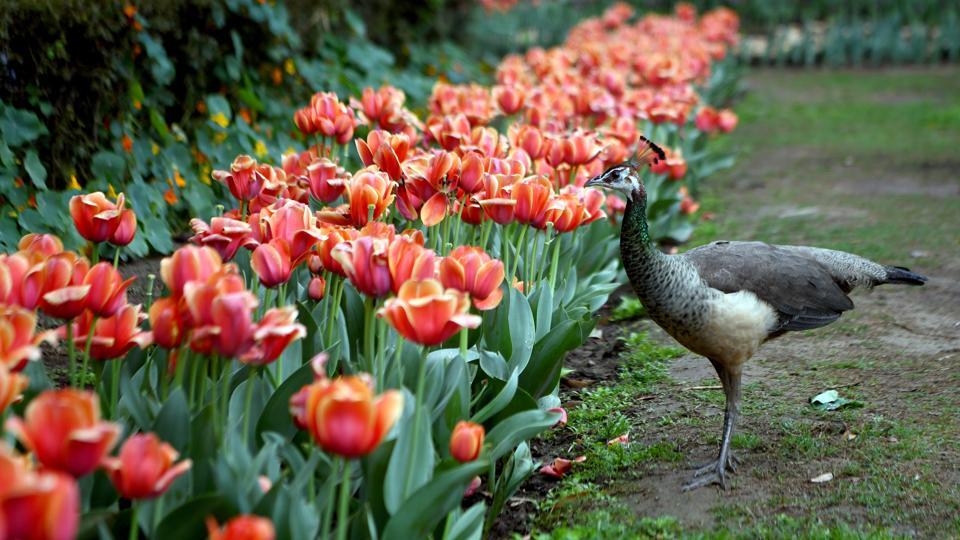
Then, in June this year, the Delhi lieutenant governor ordered local agencies to plant 900,000 more of the foreign species in 200 neighbourhoods.
But if the more than 1.5 million bulbs over the past two years weren’t enough for tulip mania to sweep the city, the Delhi Parks and Gardens Society now plans to import 300,000 more flower bulbs from the Netherlands and hand them out to resident welfare associations (RWA).
ALSO READ: Work to remove collapsed canopy begins at Delhi airport’s Terminal 1
DPGS will also set up a committee comprising horticulture experts to monitor the plantation. A senior official of the agency said a tender has been floated to import tulip buds, which will first be kept in a nursery and then planted in November.
“The bidder has been asked to import these tulips,” said the official, because an experiment with a local variety of the flower failed last year.
ALSO READ- Delhi excise case: SC notice to ED, CBI on Manish Sisodia’s bail plea
“We are yet to decide how many of the 300,000 tulips will go to RWAs. But a significant number will be planted in neighbourhood parks or given to RWAs in pots. The buds will be planted by our horticulture team and RWAs will simply be given instructions on how to ensure the tulip is not damaged,” the official added.
The tulips, which will cost ₹30 each, will wilt a month after flowering, said officials.
Experts have, throughout Delhi’s tulip experiments, underscored the harms associated with a proliferation of the foreign space. But the city’s greening agencies have been undeterred.
A ₹1.59 crore tender has been floated, including the procurement of the tulips and additional items such as manure, soil, and flower pots.
DPGS is under the Delhi government’s environment department and gives RWAs and NGOs ₹2.55 lakh per acre per yearto maintain parks.
Atul Goyal, president of the United Residents Joint Act (URJA) — an apex body of more than 2,500 resident welfare associations in Delhi — said the money spent to import such tulips could be spent elsewhere. “These are being imported every year in large quantities when we have so many other flowering species that grow locally in the winters. Unless we can use these bulbs and propagate them year-on-year in Delhi itself, spending so much money on exotic tulips is a waste,” he said.
ALSO READ- HC allows ED to sell 26 luxury cars owned by Sukesh Chandrashekar's wife
Other experts also questioned the rationale behind planting so many tulips in Delhi. “We are already way behind in raising and growing native flora critical to the city’s ecology. So much is written every year but why is there no action on it?” asked environmentalist Padmavati Dwivedi.
“The flowering window of the exotic tulip only lasts two weeks, so they have to be imported repeatedly. But in the case of other ornamental flowers, gardeners usually collect and store the seeds, which is economical and we have many beautiful ones. Instead, tulips seem to be planted in excess everywhere,” she added.