E-Paper



Delhiwale: Two faces of the Palace of Mirrors
In the ruined halls and lonely galleries of Sheesh Mahal, you can relive the grand coronation of an emperor from ages ago

 Prefer HTon Google


Aurangzeb was crowned here on July 31, 1658.
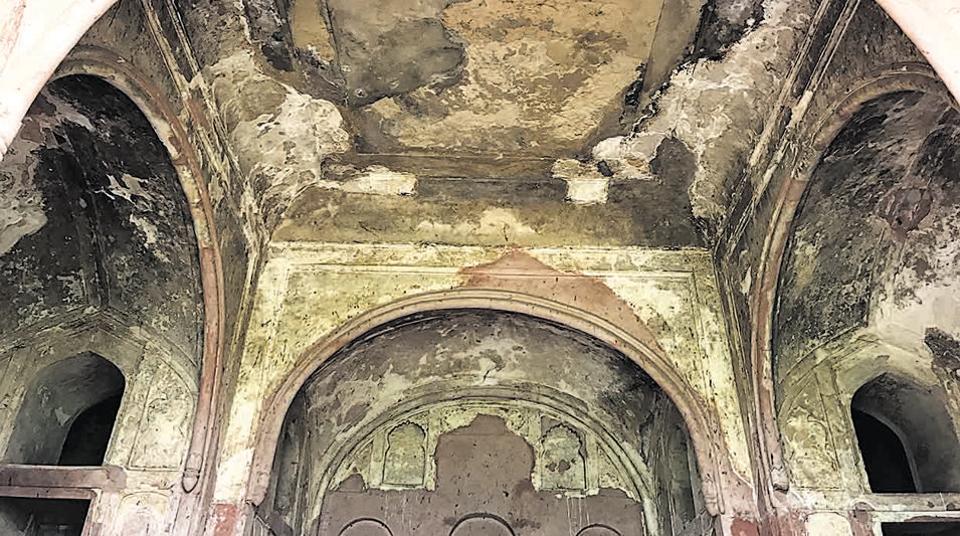
We’re standing at the same spot.
Who will believe that now?
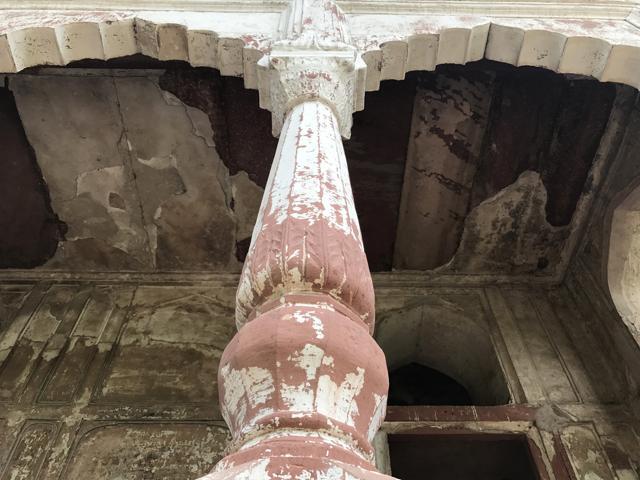
Sheesh Mahal, the palace of mirrors, seems to be nothing but a ruined hall with side-chambers. There are no mirrors anywhere. The stone floor is littered with bird feathers. The arched opening looks out on to a field overgrown with wild grass.
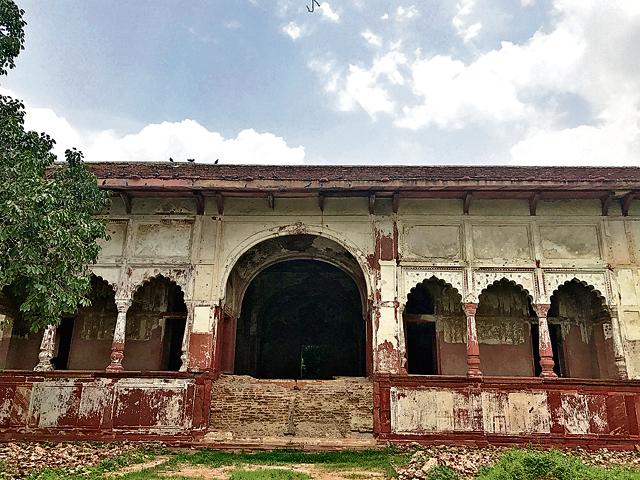
This forgotten Delhi monument is tucked away at one end of Shalimar Gardens, in north Delhi’s Shalimar Bagh. There is no one in sight, save for a bird silently perched on a niche and a squirrel rubbing itself against a pebble.
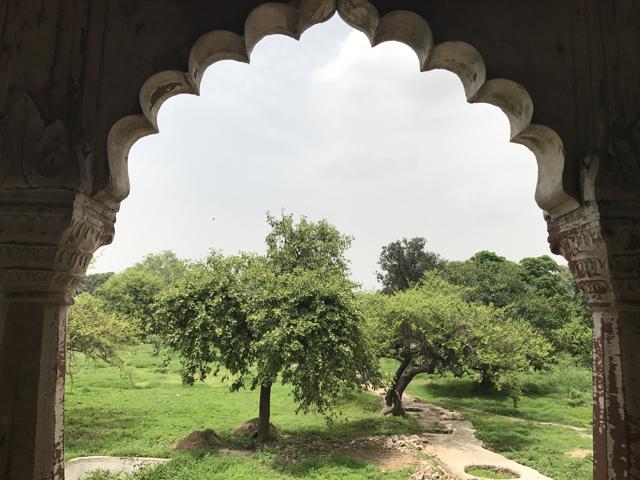
The monument’s abandoned state is puzzling. After all, Aurangzeb was not just another obscure Mughal. He continues to incite extreme passions even among people who don’t usually bother with history. And yet, one of the most important landmarks linked to his life is so desolate.
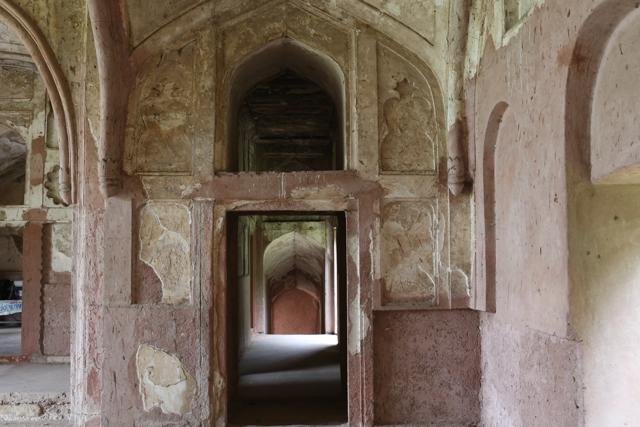
The Mughal ruler held two coronation ceremonies. The second one took place with greater pomp at the Red Fort.
We are holding a book that shows a surviving painting of the first coronation, completed not long after the event. The new king is depicted sitting with two people. The stone walls behind him are unadorned. There are no carpets, no chandeliers.
Ironically, the Sheesh Mahal of the painting is looking almost as bare and bleak as it does today.