E-Paper



Kejriwal reviews preparedness to handle dengue, chikungunya; promises mosquito-free Delhi
Last year, Delhi saw its first ever chikungunya outbreak that affected 9,661 people. The year before last there was a dengue outbreak, with 60 people dying and about 16,000 people suffering from the mosquito-borne viral infection.


Delhi chief minister Arvind Kejriwal on Saturday convened a high-level meeting to review dengue and chikungunya preparedness in the city.
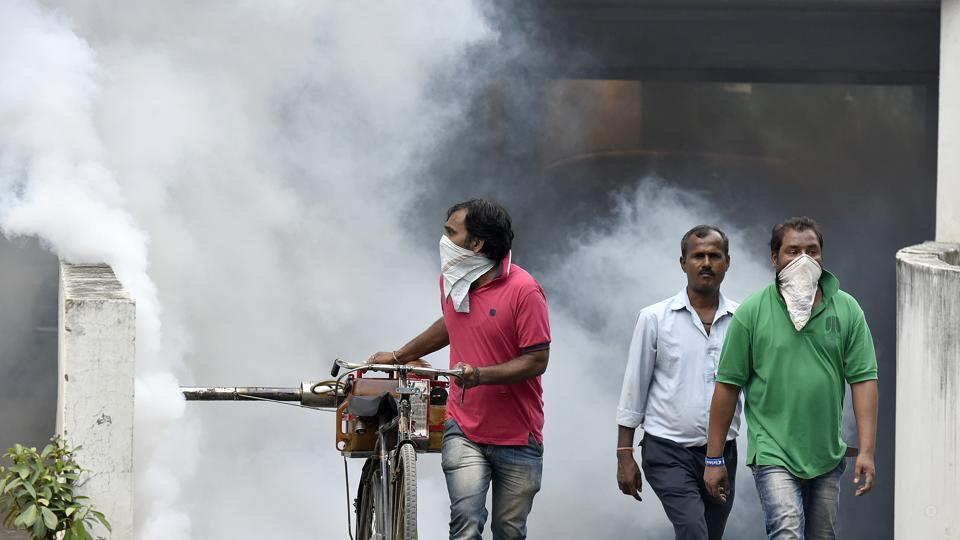
The CM asked all stakeholders to make all possible efforts for a mosquito-free Delhi to ensure the capital does not witness a spurt in vector borne diseases this year.
Last year, Delhi saw its first ever chikungunya outbreak that affected 9,661 people. The year before last there was a dengue outbreak, with 60 people dying and about 16,000 people suffering from the mosquito-borne viral infection.
“All stakeholders – Delhi government, civic agencies and all concerned need to work in close coordination to ensure a mosquito-free Delhi this year. Steps are taken every year to treat those who suffer from vector-borne diseases but this year the stress has to be on preventing breeding of mosquitoes,” said Kejriwal in the meeting.
The meeting held at the Delhi Secretariat was attended by all ministers, senior officials of the Delhi government, representatives of the municipal bodies, all medical superintendants of Delhi government hospitals and members of the legislative assembly of Delhi.
The health department and the civic agencies presented their plans of action to prevent chikungunya and dengue this year.
Delhi lieutenant governor Anil Baijal met health officials twice to take stock of the situation, laying emphasis on community outreach programmes for disseminating information on prevention and control activities intensively and effectively.
“Community must be informed and educated about the schedule of visits of Domestic Breeding Checkers in their respective areas and a system of robust feedback from the community has to be developed,” he had said.
Agencies concerned were asked to identify vulnerable colonies/areas and display notice boards/billboards at the prominent places, indicating telephone number of control room for feedback from general public.
Real-time monitoring is the key, however, only about 30% of the health institutions in Delhi have been reporting their dengue positive cases to the state surveillance unit, which creates discrepancy in the data.
“Last year, no one was keeping a track of chikungunya. Almost 300 cases had already happened in East Delhi before we realised. This year, from the beginning MCD is keeping a track of all cases,” said a government official.
Government is ensuring all health facilities have sufficient stock of requisite drugs and diagnostic kits. There are adequate arrangements of patient beds earmarked for dengue and chikungunya in hospitals when the disease it at its peak, requiring hospitalisations.