E-Paper



Beijing urges New Delhi to review trade, travel curbs
Chinese ambassador to India, Sun Weidong, told a media briefing on the Coronavirus epidemic that there were no reports of infections among Indian nationals in China, and that the Chinese embassy has established a contact mechanism with India’s health ministry to maintain close communications on the situation.


China on Tuesday called on India to review restrictions related to the novel Coronavirus (COVID-19) outbreak with a “humanitarian spirit” so that normal trade and travel between the two countries could be resumed.
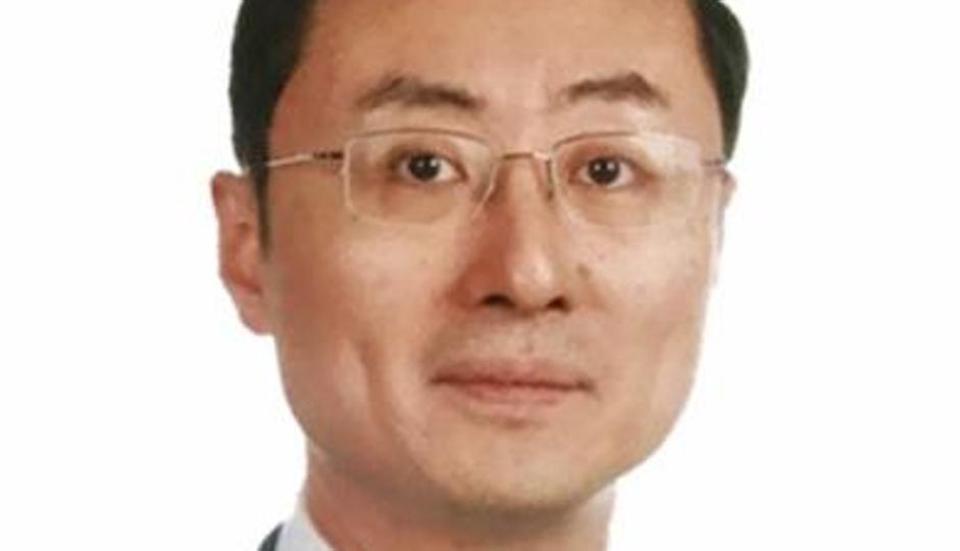
Chinese ambassador to India, Sun Weidong, told a media briefing on the Coronavirus epidemic that there were no reports of infections among Indian nationals in China, and that the Chinese embassy has established a contact mechanism with India’s health ministry to maintain close communications on the situation.
“We hope the Indian side could review the epidemic situation in an objective, rational and calm manner, implement the consensus and instructions of the two leaders [President Xi Jinping and Prime Minister Narendra Modi], handle with China’s much-needed items in a humanitarian spirit, and resume normal personnel exchanges and trade between our two countries,” Sun said.
He noted that the WHO (World Health Organisation) hadn’t recommended any travel and trade restrictions, and countries around the world “need to maintain normal flows of people and trade and refrain from overreaction”.
Most Indian airlines have stopped their flights to China. New Delhi has also cancelled all e-visas and normal visas issued in the recent past to Chinese citizens, who are required to make fresh applications for travel documents so that they can be screened. As with other countries, China’s trade with India too has been hit by the Coronavirus-related restrictions.
Noting that more than one million people travel between India and China every year and bilateral trade is currently worth more than $90 billion, Sun said that China is a significant player in the global supply chain.
“Therefore, China’s early victory over the epidemic will be beneficial to the development of both China and India as well as the global economy. It will help bilateral economic and trade cooperation get back on track. In this context, helping China is actually helping yourself,” he said.
China, he added, attaches great importance to the health and safety of foreign nationals and “will take good care of the Indian citizens ... like our own”. The Indian students in Hubei province are in good health, have sufficient daily necessities, accommodation and food. “So far there’s no report of infection for the Indian citizens in China,” he said.
India operated two Air India special flights on February 1 and 2 to evacuate hundreds of its citizens from Hubei province and its capital Wuhan, which are the epicentre of the epidemic. The outbreak has claimed nearly 1,900 lives and infected over 72,000 people in China.
Sun said that he hoped the epidemic wouldn’t affect bilateral ties or activities related to the 70th anniversary of diplomatic ties and the “Year of China-India cultural and people-to-people exchanges”.
“We need to implement the important consensus reached by the two leaders during the second informal summit in Mamallapuram [last year]. We need to maintain high-level exchanges, hold institutional meetings and a series of celebratory activities, expand personnel exchanges and trade, and scale bilateral relations to a new height,” he said.
The envoy acknowledged PM Modi’s appreciation for China’s help in evacuating Indian citizens from Hubei that was conveyed in a letter sent to President Xi. “The Indian side assures readiness to stand by China and provide the assistance that India can to face this challenge,” he said, adding external affairs minister S Jaishankar too had said in a phone conversation with foreign minister Wang Yi that it was important to evaluate the outbreak in an objective and rational manner.
Sun also invoked historic contacts between the two sides to underscore the need for cooperation, including the contributions made by Indian doctor Dwarkanath Kotnis during the 1938 Sino-Japanese war and former defence minister George Fernandes’ visit to Shanghai at the height of the 2003 SARS epidemic, when he had criticised the foreign media for exaggerating the situation.
In response to a question, Sun rejected reports that the Coronavirus had originated in a Wuhan laboratory. “Based on the analysis of genomic sequence, what we now know is that this virus originates from nature and is not man-made. The virus is terrible, but rumour is more terrible,” he said.