E-Paper



Fear of immigrants prompts northeast bodies to do away with family planning
Elections are due in Mizoram next year and ZNP, which has no presence in the present assembly, is promising a slew of benefits to families which have more children if the party comes to power.


Launched 65 years ago, India’s family planning program has been stressing on limiting the size of families. The first such initiative in the world has been fairly successful.
But Zoram Nationalist Party (ZNP) wants to do away with its implementation in Mizoram as the regional political outfit feels if the programme continues in the northeastern state, it could adversely impact the ethnic population, which might get outnumbered by ‘outsiders’.
“Family planning makes sense for other states where population density is high. But it doesn’t for Mizoram with a population of just 1.1 million,” ZNP president Lalduhoma told the Hindustan Times.
India’s population density is 382 persons per square kilometre (2011 census). But the figure for Mizoram is just 52, making it the second least densely populated state after Arunachal Pradesh with 17 persons per square kilometre.
Lalduhoma’s party, which espouses to “safeguard the culture, religion and boundaries of the Mizos”, feels family planning has prevented the people of the state from availing government benefits and also affected the workforce.
“Our people get fewer seats in educational institutions outside the state. Mizos need to debunk family planning to increase the size of their families,” he said.
Elections are due in Mizoram next year and ZNP, which has no presence in the present assembly, is promising a slew of benefits to families which have more children if the party comes to power.
The party, which is planning to contest the polls as part of an alliance with four other small regional players, has said it will provide educational, residential, and maintenance allowances to families with more kids.
Mizoram shares a 722-km border with Myanmar and Bangladesh and there are fears that influx of illegal immigrants could upset the demographic balance in the state. The state is among the three in the region (Nagaland and Arunachal Pradesh are the other two) where inner line permit (ILP) system, which regulates the entry of people from other states, is in force.
“Our main concern is illegal immigrants. There are vast stretches of land in the border areas where there are no people and outsiders could enter and settle there,” said Lalduhoma.
The ZNP is also against the Citizenship (Amendment) Bill, 2016, which makes religious minorities from Afghanistan, Bangladesh, and Pakistan eligible for Indian citizenship, and wants Mizoram to be kept outside its purview.
Mizoram isn’t the only state where fear of outsiders has prompted some to urge families to have more children.
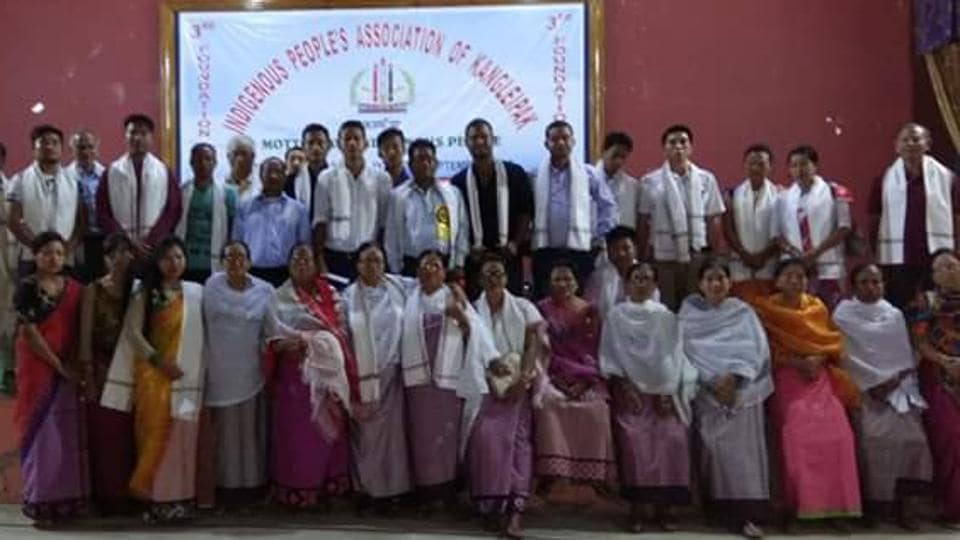
In Manipur, Indigenous Peoples Association of Kangleipak (IPAK), a non-profit organisation whose motto is ‘save indigenous people’, has been urging the majority Meitei community to increase its numbers for the past three years.
Every year, IPAK honours Meitei mothers who have given birth to many children. Last Thursday, it felicitated three women who have borne 28 children among themselves.
“The population of Meiteis is about eight lakhs. If we take into account Manipuri Muslims, the figure is about 10 lakhs. There is a need to increase our population if we have to withstand influx (of outsiders),” said IPAK president MB Meitei at the function held in Imphal.
As per 2011 census, Manipur’s population is 2.7 million.
A decade ago, the Khasi Hills Autonomous District Council in Meghalaya started doling cash incentives to Khasi mothers with more than 15 children to “save Khasis from being outnumbered by outsiders”.
Khasis are one of the three major tribes in Meghalaya—the other two are Garos and Jaintias.
States such as Meghalaya and Manipur are mulling the introduction of ILP system in order to keep a check on outsiders.