E-Paper



Haryana worst offender among states revealing sex of foetus: Govt data
Haryana has been the worst offender in revealing the sex of foetus with 158 out of 387 cases filed against violators under this category being from this state alone in the first quarter of this year.


A total of 449 convictions have been secured till March this year from across the country for violations under the Pre-Conception and Pre-Natal Diagnostic Techniques (PCPNDT) Act, 1994, that’s enacted to stop female foeticide.
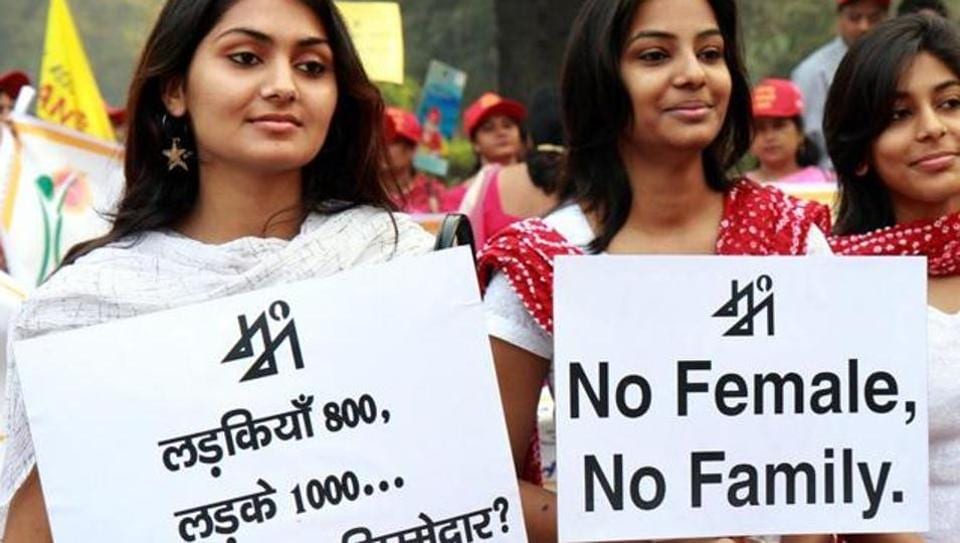
Haryana has been the worst offender in revealing the sex of foetus with 158 out of 387 cases filed against violators under this category being from this state alone in the first quarter of this year.
Rajasthan comes a close second with 112 cases.
Union health ministry has released figures based on the quarterly progress report received from States/ Union Territories, which shows a jump of 15% from the previous year’s 388 overall convictions in the corresponding period.
The Act prohibits sex-selection or disclosure of the sex of the foetus “by words, signs or in any other manner”, which is a punishable offence. It also prohibits sale of “any ultrasound machine or imaging machine or scanner or any other equipment capable of detecting sex of foetus” to persons, laboratories, clinics, etc. not registered under the Act.
The Act was enacted for prevention of misuse of pre-conception and pre-natal diagnostic techniques for sex determination.
According to experts, about 5% of all ultrasound scans are pregnancy-related.
Female infanticide is a worldwide phenomenon, with an estimated 1.5 million female foetuses aborted each year.
According to a recent report from the Niti Aayog, India’s sex ratio at birth, which is the number of girls born for every 1000 boys, dropped from 906 in 2012-2014 to 900 in 2013-2015, and aborting female foetuses is a major contributing factor for the huge disparity.
“The report is based on inspections conducted on a regular basis by individual states and UTs. The disclosure of figures publicly is to comply with a central information commission order,” said a health ministry official, requesting anonymity as he is not authorised to speak to media.
“This is the report from the first quarter and we will keep updating as we receive data from the states,” the official added.
Under the National Health Mission (NHM), the Government provides financial support to the states for operating PNDT cells, strengthening structures for the implementation of the Act, capacity building, orientation and sensitization workshops, information, education and communication campaigns.