
 E-Paper



Nigeria likely to face food crisis after Boko Haram massacre: All you need to know
Boko Haram, a jihadist group that has been operating in the region since 2009 to carve out a caliphate in north-east Nigeria, has claimed responsibility for the killings. Their leader Abubakar Shekau, in a video released on Tuesday, said it was “responsible for what happened”.


An attack by the extremist group Boko Haram has left 110 farmers dead in Nigeria, according to Edward Kallon, the UN resident and humanitarian coordinator in Nigeria. The search for many missing victims is currently on, and the death toll is further expected to rise.
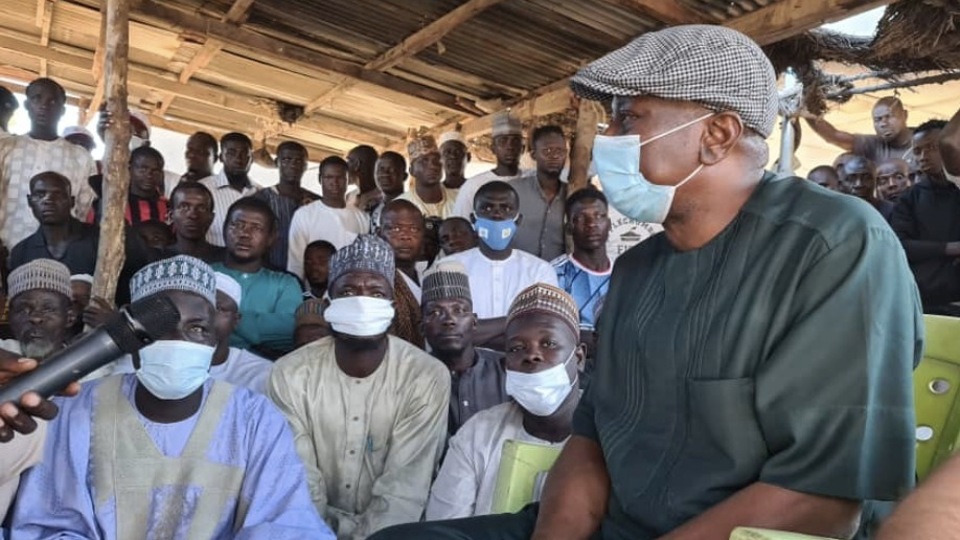
Boko Haram, a jihadist group that has been operating in the region since 2009 to carve out a caliphate in north-east Nigeria, has claimed responsibility for the killings. Their leader Abubakar Shekau, in a video released on Tuesday, said it was “responsible for what happened around Maiduguri in recent days, especially in Zabarmari.”
Why did Boko Haram target farmers?
Boko Haram, a Hausa term which loosely translates to ‘Western education is forbidden’, is infamous for its 2014 abduction of 276 schoolgirls from Chibook. It is vehemently opposed to Westernization of Nigeria and adheres to strict Sharia law. The killings were in retaliation for the capture of a jihadist soldier by the villagers.
In the video released by Boko Haram, an unknown jihadist can be heard referring to the villagers’ action.“You thought you would apprehend our brethren and hand him over to the military and live in peace?” he could be heard saying.
The government has been unable to protect the villagers because the countryside is unfamiliar terrain for the army.
What impact will it have on Nigeria’s food security?
The deadly attacks have led to outrage and fear throughout the region. The spokesperson of the Nigerian President, Muhammadu Buhari, blamed the victims for not co-operating with the army, while an army spokesperson accused them of colluding with the insurgents by not alerting security forces.
Fearing further retaliation, farmers have stopped going to their fields which is affecting Nigeria’s grain stocks. “It is now exceedingly difficult to get the farmers to readily go to their farms in several parts of the country,” Kabir Ibrahim, president of the All Farmers’ Association of Nigeria, told Bloomberg.
The UN is equally concerned about the future of Nigeria’s farming community , and have reiterated their commitment to support the most vulnerable communities in Borneo.
“Saturday’s incident is especially heart wrenching as we are recording this year some of the highest levels of food insecurity in Borno, Adamawa and Yobe states. In these three states, the most recent official data indicate that 4.3 million people are currently critically food insecure and the number could reach up to 5.1 million over the lean season, between June and August next year. Rural communities in Borno State are facing untold hardships. Helping them to farm land and rebuild livelihoods are amongst our priorities and the only way to avoid the looming food crisis in Borno State. They and all other civilians need to be protected and provided greater assistance to survive the coming months” UN Resident and Humanitarian Coordinator in Nigeria said in a press statement.
Bloomberg reported that Nigeria’s stocks have declined to less than 30,000 metric tons, which is a fraction of what the country of 200 million people needs to sustain themselves. It is also fuelling food inflation and vastly undermining the President’s plans for making Nigeria’s food security.