Sign in

Odisha model can eliminate malaria, says Indian Council of Medical Research

India reported nearly three million fewer cases of the disease in 2017, and is no longer among world’s top three nations, according to World Malaria Report 2018.

Updated on: Jan 3, 2019, 10:27:37 IST
Hindustan Times, New Delhi | By
Share
Share via
  • facebook
  • twitter
  • linkedin
  • whatsapp
Copy link
  • copy link

Improved access to early diagnosis and complete treatment of malaria in Odisha has resulted in a decline as high as 85% in the disease burden, according to an Indian Council of Medical Research (ICMR) paper published in PLOS (Public Library of Science) Wednesday.

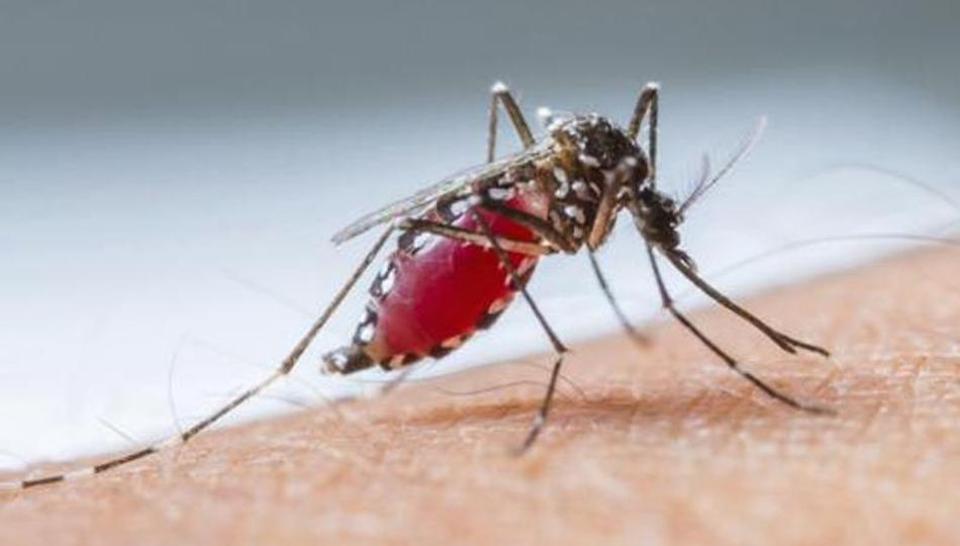
India reported nearly three million fewer cases of the disease in 2017, and is no longer among world’s top three nations, according to World Malaria Report 2018. (HT File Photo)

Of the total case reduction, experts at ICMR attribute 47% reduction to the comprehensive case management programme that was put in place in Odisha in 2013.

“The recent numbers show there’s been a decline of nearly 85%, and largely due to the intensified intervention programmes that were conducted in the state. If scaled up in other states, the strategies used can help reach the target of malaria elimination by 2030,” says Dr Neena Valecha, director, National Institute of Malaria Research (NIMR).

Initially, the programme was launched in four districts in Odisha but was extended to other districts. The project that was meant for 2013-16 was extended till 2017 because of the improved results.

India reported nearly three million fewer cases of the disease in 2017, and is no longer among world’s top three nations, according to World Malaria Report 2018.

  • Rhythma Kaul
    ABOUT THE AUTHOR
    Rhythma Kaul

    Rhythma Kaul is the national health editor of the Hindustan Times. She has been reporting on public health, medicine, and medical research, with a particular focus on how government decisions and health system reforms shape people’s lives. Rhythma has over 25 years of journalistic experience. She joined Hindustan Times in 2008, and has since covered everything from pandemics and infectious diseases to cutting‑edge medical research and climate‑related health challenges. Her stories routinely track the work of the Ministry of Health and Family Welfare, department of pharmaceuticals, and key national health programmes, making complex medical science and policy accessible to a wide audience. One of her prominent news breaks has been the 2012 Baby Falak case: A two-year-old brutally battered baby girl was admitted to AIIMS-Delhi with severe head injuries, multiple fractures, human bite marks, and burns. The police investigation revealed this to be a case of multi-state human-trafficking racket. She was profiled by The Wall Street Journal for breaking this story. Rhythma holds a Master’s degree from Jawaharlal Nehru University, Delhi. Prior to Hindustan Times, she worked with the India Today Group. Rhythma can be contacted at rhythma.kaul@hindustantimes.com. Her X handle is @RamblingBrook.Read More