
 E-Paper



Tribals in Chhattisgarh’s Maoist heartland relish wildlife shows on mini-theatre
“TV is rare in this area and the people were excited and surprised. They were really interested in animals and forest shows,” said the superintendent of police, Narayanpur district, Jitendra Shukla.


Number of tribals inside the Maoist-infested Abujhmad region of Chhattisgarh were more interested in watching shows on wildlife and forests in the region’s first mini-theatre set up by the local police to “win their trust”. In the region, having a little television penetration and no cinema halls, it was their first experience of watching shows on the big screen on Thursday.
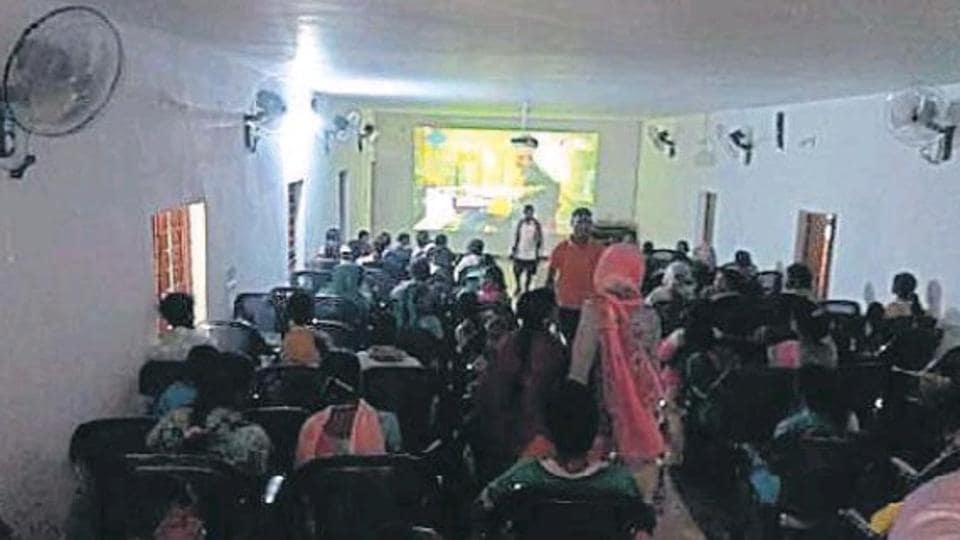
“They loved watching shows on wildlife and jungles and not any film or popular Hindi TV serials because they can relate to it,” said the superintendent of police, Narayanpur district, Jitendra Shukla, a day after the first screening of TV shows took place in the moveable mini-theatre, 20 kms from the district headquarters.
Gillu Ram Kumeti, head of Kundala village, said more than 300 people watched the shows . “It was weekly bazaar and nearly all the people who visited the theatre have never seen anything that big before. TV is rare in this area and the people were excited and surprised. They were really interested in animals and forest shows,” he said.
Abujhmad, straddled between Maharashtra and Chhattisgarh, is known as an ‘unknown hill’ as the 6,000 sq km of thick forest has not been surveyed since the British era. Narayanpur district administration tried to conduct a survey in 2017 but the plan was aborted after an IED blast. The jungle is epicentre of Maoist activities. Most of their senior cadres camp here, police officials said.“Our aim is to communicate with tribals. They don’t know our language but they understand visuals. Through this mini-theatre, we want to communicate with them ,” said Shukla, who has spent three years in Bastar region.
“We believe tribals of more than two dozen villages will come to watch theatre and we can aware them about policies and programmes of the government and also tell them how Maoists befool them ,” the SP said.
Police have secured the theatre with fencing from all sides and handed it over sarpanches and also formed a committee to manage it.
-kW0H-U20214218012MgB-250x250%40HT-Web.jpg)