
 E-Paper



Exodus of senior leaders an opportunity, but will Opposition parties in Maharashtra take advantage?
The NCP, as well as its ally the Congress, are facing a decline in the support of voters, and several of their key leaders have crossed over to the ruling combine


Dilip Sopal , a senior legislator and former minister, was the latest to quit the Nationalist Congress Party (NCP) on Monday.
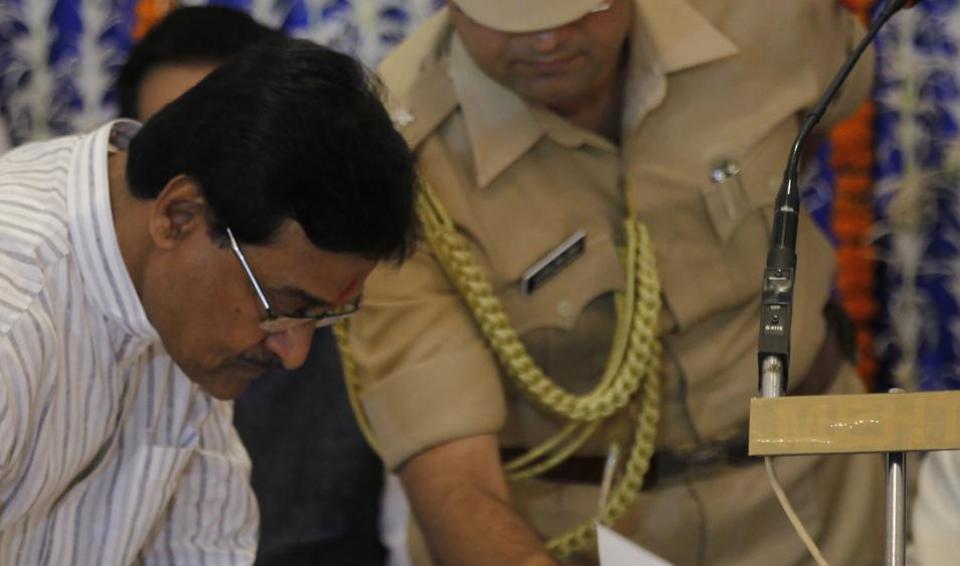
He will be joining the likes of Madhukar Pichad, Vijaysinh Mohite-Patil, Jaydutt Kshirsagar, Sachin Ahir and a few others to move to the Bharatiya Janata Party (BJP) or Shiv Sena ahead of the Assembly polls in Maharashtra.
Some others are also likely to cross over to the saffron combine in the next couple of weeks, with former ministers Bhaskar Jadhav and Padmasinh Patil, as well as former Kolhapur MP Dhananjay Mahadik and legislative council chairman Ramraje Naik-Nimbalkar’s names doing the rounds.
The NCP, which looked a bit more organised than the Congress during the last Lok Sabha elections, is now rattled by this exodus which is larger than the party top brass would have anticipated. It is a reversal of what happened in 1998-98 when the party was formed by Sharad Pawar. Then there was inflow to the NCP from all other parties.
In fact, NCP is always known as a party made of Pawar loyalists who mostly came from the Congress and some locally-powerful leaders from other parties. The common factor for many of them was power — they believed Pawar would keep them in power in any case. Now, several of them are shifting to ruling parties for greener pastures, which should not come as a surprise for the NCP.
The only surprising factor is the kind of people who are quitting the NCP now. Pichad, along with Naik-Nimbalkar and Padmasinh Patil (who have not made their stand public yet) have been known as long-time close aides of Pawar. Former MP of Osmanabad, Padmasinh Patil, is known as a trusted aide of Pawar. In fact, in 1991 when Pawar shifted to national politics, he wanted Patil to be appointed as chief minister in his place. So, does this mean the end is near for Pawar’s party?
They say one can never write off a politician or a party in politics. Surely, NCP is facing its worst-ever crisis since the party was formed in 1999. The NCP, as well as its ally the Congress, are facing a decline in the support of voters, and several of their key leaders have crossed over to the ruling combine.
However, the two parties can still look at turning this crisis into an opportunity, by putting forth young politicians. Pawar himself did so in 1995 after the Congress in Maharashtra lost power to the Shiv Sena-BJP alliance. Then, he was leading the undivided Congress. Sensing that most established Congress leaders would not take on the Sena-BJP government, he encouraged young legislators such as RR Patil, Jayant Patil, Dilip Walse-Patil and others to launch an attack on the government over alleged corruption cases. The same set of Congress legislators later became frontline leaders of the party when Pawar formed the NCP.
Of course, it is now late for the two parties to nurture young leaders. They can, at the most, field more young candidates and give scope to ordinary party workers who do not come from political dynasties. They have several faces which are now linked with corruption and wrongdoing. Infusing young blood and fielding fresh faces may help the two parties and may also attract voters.
Is the leadership of both the parties is in a position to do it now?
