
 E-Paper



Photos: Delhi remembers an island of animals and plants on World Environment Day
Biodiversity parks in Delhi are not only helping curb pollution but also protecting and bringing back a wide variety of flora and fauna that had disappeared from the city.
Updated on: Jun 05, 2019 3:57 PM IST

Share via


Copy link

1/9
 View Photos in a new improved layout
Updated on Jun 05, 2019 3:57 PM
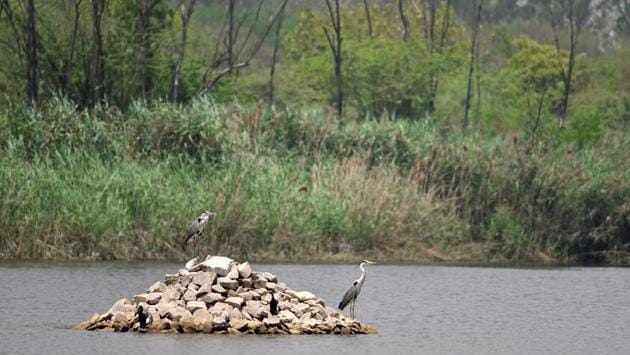
Grey Herons seen at Yamuna Biodiversity Park, in Wazirabad, New Delhi. Biodiversity parks are natural forest ecosystems with multi-layered canopies, comprising hundreds of species of trees, shrubs, herbs and grasses presenting various landscapes from marshy areas, to grasslands and stratified forests. (Sanchit Khanna / HT File)
2/9
 View Photos in a new improved layout
Updated on Jun 05, 2019 3:57 PM
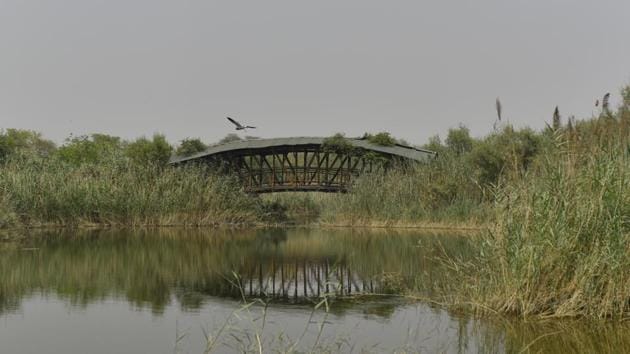
A view of Yamuna Biodiversity Park. While Delhi has seven biodiversity parks – Yamuna Biodiversity Park, Aravalli Biodiversity Park, Neela Hauz, Tilpath Valley, Kamla Nehru, Tughalakabad and South Delhi – only the Yamuna Biodiversity Park and the Aravalli Biodiversity Park are fully functional. The rest are still in their various stages of evolution. (Sanchit Khanna / HT File)
3/9
 View Photos in a new improved layout
Updated on Jun 05, 2019 3:57 PM
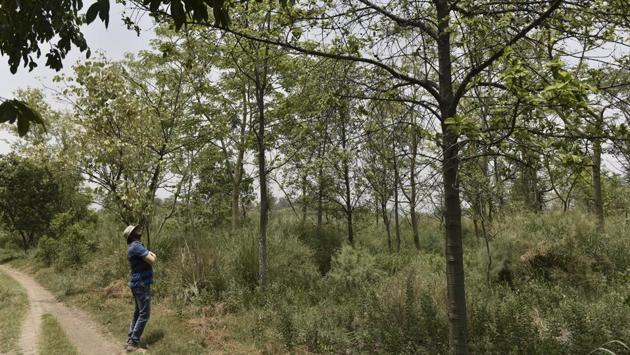
The Yamuna Biodiversity Park, Delhi’s first - was once a barren land dominated by weeds and salt-loving bushes. It is now home to more than 1000 species of plants and animals and resembles a multi-layered forest dominated by mixed, moist, deciduous forest communities. (Sanchit Khanna / HT File)
4/9
 View Photos in a new improved layout
Updated on Jun 05, 2019 3:57 PM
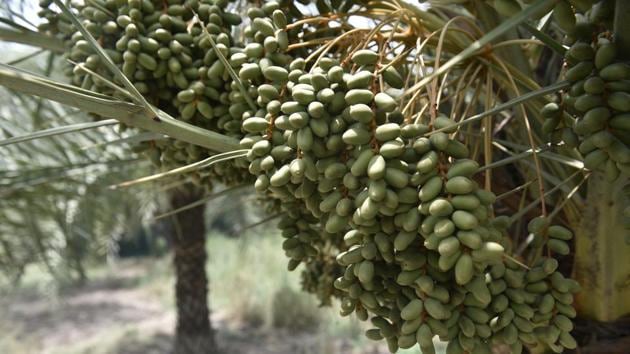
A tree bearing dates seen inside Yamuna Biodiversity Park. “At a time when we are losing greens, these biodiversity parks are acting as micro lungs for the city. The tree cover in these parks provide refuge to the native flora and fauna of the capital,” said Dipankar Ghose, director of species and landscape division at WWF India. (Sanchit Khanna / HT File)
5/9
 View Photos in a new improved layout
Updated on Jun 05, 2019 3:57 PM
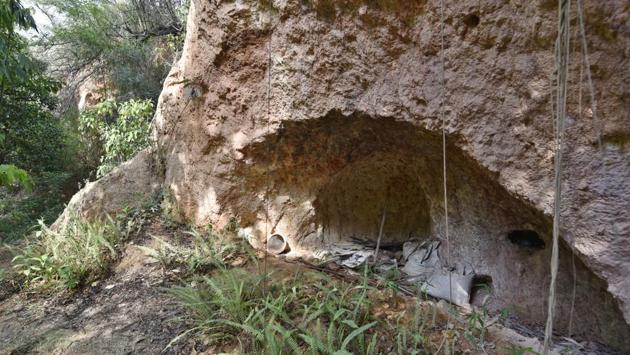
A mound seen at Aravalli Biodiversity Park, in Vasant Vihar. Biodiversity parks in the city are a great indicator of the city’s health. The city of Delhi is growing so rapidly that it is fragmenting and destroying the natural habitats on which many species depend. A biodiversity park helps in boosting the ecosystem and helps in the well being of each species. (Sanchit Khanna / HT File)
6/9
 View Photos in a new improved layout
Updated on Jun 05, 2019 3:57 PM
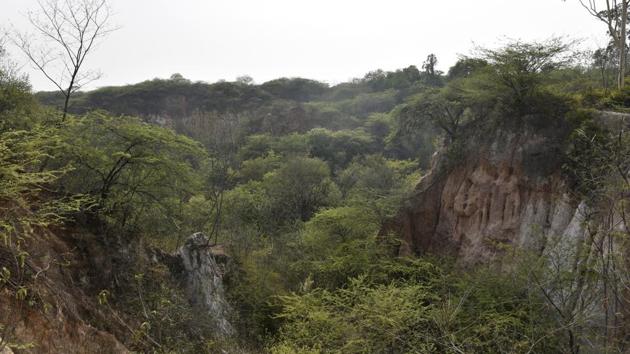
Unlike the city forests, which are just woodlands comprising a few species of trees and help to provide some clean air, biodiversity parks serve as natural reserves with established ecosystems that in the process of time become home to many species. The parks offer a montage of microhabitats and more niche opportunities for a variety of species – from big mammals to small birds and even microbes. (Sanchit Khanna / HT File)
7/9
 View Photos in a new improved layout
Updated on Jun 05, 2019 3:57 PM
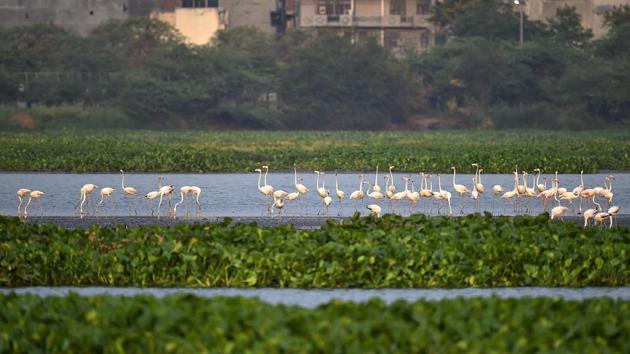
A swarm of more than 150 Greater Flamingos has arrived at the Okhla Bird Sanctuary in Noida, Gautam Buddh Nagar. They have a niche in their feeding grounds, certain kinds of wetlands, as they eat the algae in the water and clean t up. The Greater Flamingo is mostly found West Africa, sub-Saharan Africa, Mediterranean regions, Europe, South-West and South Asia. (Ajay Aggarwal / HT File)
8/9
 View Photos in a new improved layout
Updated on Jun 05, 2019 3:57 PM
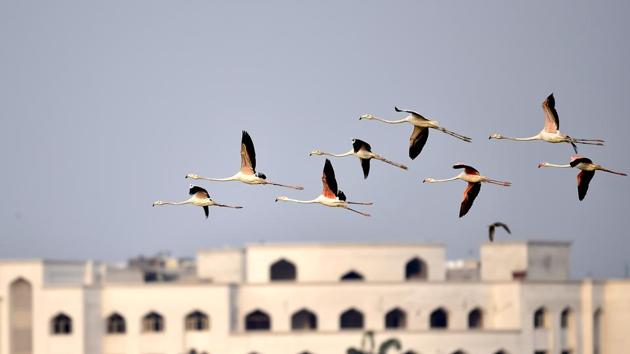
The Greater Flamingo had initially arrived and settled down in the Najafgarh drain near Delhi’s Wazirabad. But due to industrial effluents from Haryana and other adjoining areas polluting the drain, there were repots of decline in numbers of migratory birds in the city. Recently a large number of these birds were spotted at the Okhla Bird Sanctuary which is a good sign as the birds are coming back to the capital. (Ajay Aggarwal / HT File)
9/9
 View Photos in a new improved layout
Updated on Jun 05, 2019 3:57 PM