
 E-Paper



Photos: Abandoned Jharkhand power plant a $38 billion warning for Indian banks
India’s banks, which have some of the highest stressed asset ratios globally, are under mounting pressure from regulators to clean up their books as the government attempts to revive loan growth and boost the economy. That is likely to intensify the reckoning they face from lending to India’s power sector, which is plagued by fuel shortages and difficulties negotiating long term supply contracts with the country’s debt-laden electricity distributors In the jungles of Jharkhand, one abandoned power plant stands a warning symbol for the $38 billion of additional bad loans which are face the country’s banks.
Updated on: Jun 26, 2018 9:43 AM IST

Share via


Copy link

1/9
 View Photos in a new improved layout
Updated on Jun 26, 2018 9:43 AM
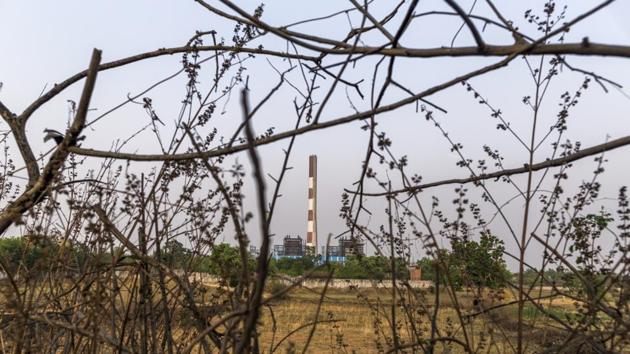
The Matrishri Usha Jayaswal Thermal Power Plant, is seen through foliage in Bana village in the district of Latehar, Jharkhand. Deep in the jungles lies this abandoned power plant, a warning symbol for the $38 billion of additional bad loans which are about to engulf the country’s banks. (Prashanth Vishwanathan / Bloomberg)
2/9
 View Photos in a new improved layout
Updated on Jun 26, 2018 9:43 AM
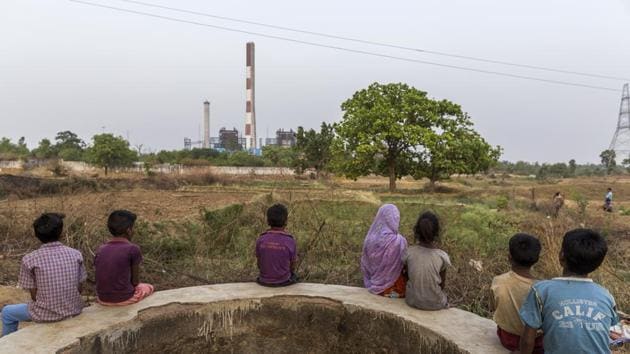
Like many of India’s power stations, this Jharkhand project had all the markings of success when a group led by State Bank of India lent about $700 million five years ago to build it. There’s abundant coal and water in the area, a rail track was set to run through the premises, and its promise of 1,080 megawatts of electricity was alluring. (Prashanth Vishwanathan / Bloomberg)
3/9
 View Photos in a new improved layout
Updated on Jun 26, 2018 9:43 AM
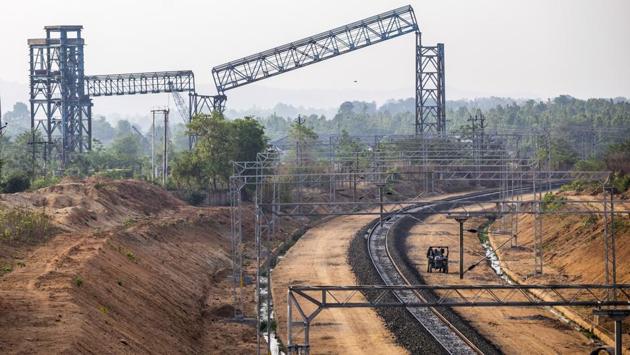
A tractor drives past a rail track running through the site of the thermal power plant. Today it stands deserted and banks have had to write off three quarters of their loans. Haircuts of that magnitude are now expected across the whole power sector, which is still reeling from the 2014 court-ordered loss of coal mining permits. (Prashanth Vishwanathan / Bloomberg)
4/9
 View Photos in a new improved layout
Updated on Jun 26, 2018 9:43 AM
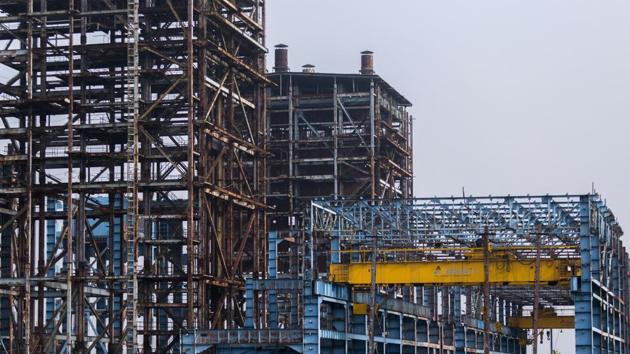
Bank of America Merrill Lynch suggests local banks face a new $38 billion wave of losses, more than four times the $9 billion they’ve written off from a previous tide of bad loans from India’s steel sector. “It is the largest bad-loan risk in the country,” said Vinayak Bahuguna, CEO of Asset Reconstruction Co. of India Ltd., the firm which bought the Jharkhand plant from its creditors in 2015. (Prashanth Vishwanathan / Bloomberg)
5/9
 View Photos in a new improved layout
Updated on Jun 26, 2018 9:43 AM
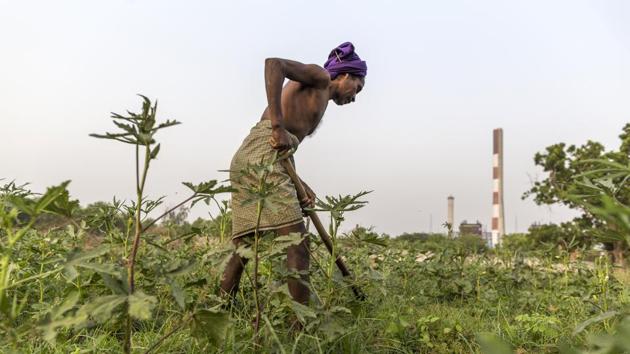
A farmer labours on a field next to the abandoned Matrishri Usha Jayaswal Thermal Power Plant. India’s banks, which have some of the highest stressed asset ratios globally, are under mounting pressure from regulators to clean up their books as the government attempts to revive loan growth and boost the economy. (Prashanth Vishwanathan / Bloomberg)
6/9
 View Photos in a new improved layout
Updated on Jun 26, 2018 9:43 AM
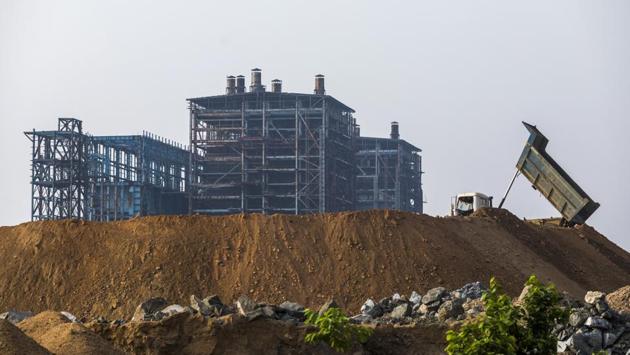
A dump truck unloads soil near the power plant. The problem is especially acute for state-owned banks that have lent to these projects, given that they are already reeling under the weight of their problem debts. Out of 21 government-controlled lenders, accounting for more than two-thirds of total loans in India, 19 reported losses in the three months to March 31. (Prashanth Vishwanathan / Bloomberg)
7/9
 View Photos in a new improved layout
Updated on Jun 26, 2018 9:43 AM
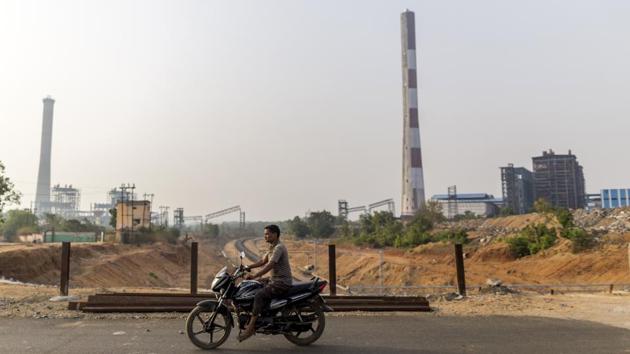
A motorist rides past the abandoned Matrishri Usha Jayaswal Thermal Power Plant. After taking haircuts of between 40-60% on their loans to troubled steel projects, the banks face a 75 % loss ratio on their power lending, according to the Bank of America Merrill Lynch estimate. (Prashanth Vishwanathan / Bloomberg)
8/9
 View Photos in a new improved layout
Updated on Jun 26, 2018 9:43 AM
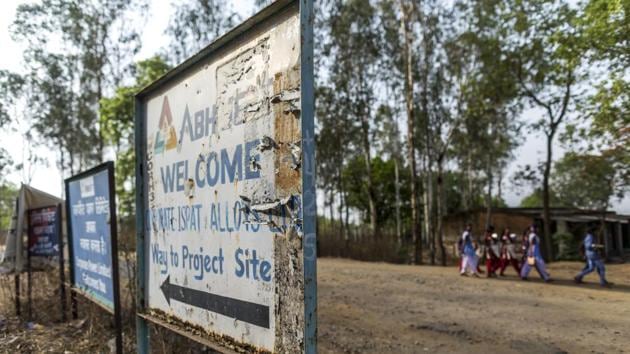
A sign points the way to the power plant. Many banks are unwilling to accept losses of such magnitude, leading to tussles between lenders and potential buyers. “Sales will happen if banks take a more realistic approach on valuations they seek and are willing to take decisive action,” said Hemant Kanoria, chairman of India Power Corp., whose bid for the Jharkhand power plant was rejected by bankers on the valuation. (Prashanth Vishwanathan / Bloomberg)
9/9
 View Photos in a new improved layout
Updated on Jun 26, 2018 9:43 AM