
 E-Paper



Photos: Neelakurinji flower bloom begins in Munnar, ending a 12-year wait
For local people it is symbol of plenty and exuberance and a treat for the eyes of visitors to Kerala’s Nilgiri Hills. Scattered blooming of the Neelakurinji, a once in twelve years occurrence has already begun and the hills will soon turn into a sea of blue in coming months. The Eravikulam national park in Munnar houses some of the best spots to witness this sight and expects tourists from around the world drawn by the blooms of this thorny shrub which last up to 20 days.
Updated on: May 19, 2018 9:46 AM IST

Share via


Copy link

1/6
 View Photos in a new improved layout
Updated on May 19, 2018 9:46 AM
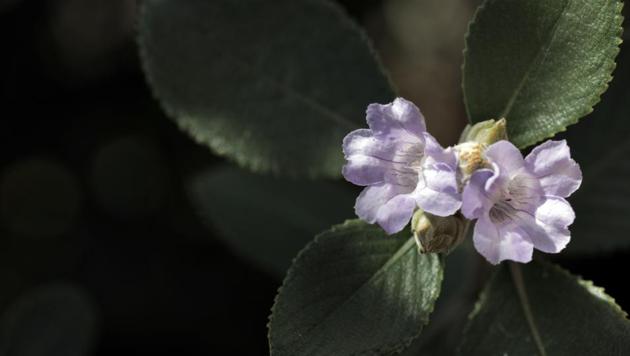
For people living in Kerela’s Nilgiri valleys, life is often related in sync with the blooming cycle of the Kurinji and many tribal people calculate their age with the flower’s bloom. The Nilgiris themselves derive their name from the sweeping pink-blue floral carpets that engulf the area once every 12 years. (Vivek Nair / HT Photo)
2/6
 View Photos in a new improved layout
Updated on May 19, 2018 9:46 AM
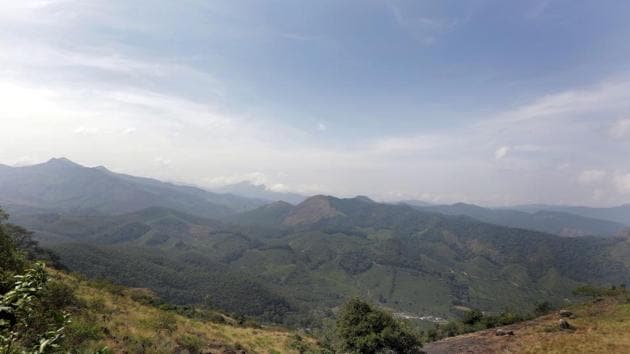
A panoramic view from the Eravikulam National Park. Kerala’s misty getaway Munnar, 1600 m above sea level in Idukki district, is preparing for nature’s wonder --the Neelakurinji (strobilanthes kunthiana) blooming season. with a clock like precision. Scattered blooming has begun, and the coming months will turn the hills into a sea of blue. (Vivek Nair / HT Photo)
3/6
 View Photos in a new improved layout
Updated on May 19, 2018 9:46 AM
When it bloomed last in 2006 the state tourism department claimed at least four lakh tourists swarmed the hill destination, considered the best spot to watch the flowers and this time it says those numbers will go up considerably. (Vivek Nair / HT Photo)
4/6
 View Photos in a new improved layout
Updated on May 19, 2018 9:46 AM
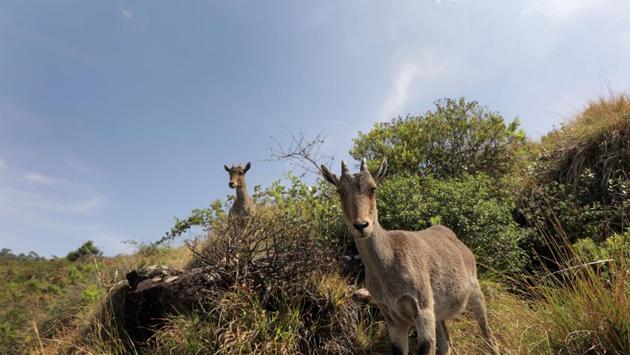
Eravikulam, famous for the endangered Nilagiri Tahr, houses some of the ideal pockets for witnessing the phenomenon. Kurinji watchers say the shrub is usually 30-60 cms tall but in more favourable conditions it can grow up to 180-200 cms. The actual flower itself lasts 15-20 days once it has blossomed. (Vivek Nair / HT Photo)
5/6
 View Photos in a new improved layout
Updated on May 19, 2018 9:46 AM
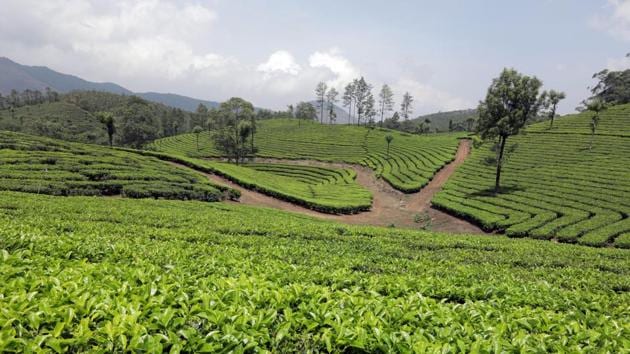
A view from one of Munnar’s famous a tea plantations. “Its 12-year cycle is a wonder for the scientific community. These thorny shrubs play a major role in creating natural streams in shola forests. They are vital part of the Nilagiri biosphere,” said Prof Jomy Augustine, a botanist. (Vivek Nair / HT Photo)
6/6
 View Photos in a new improved layout
Updated on May 19, 2018 9:46 AM