
 E-Paper



Photos: Old and lonely, India’s elderly choose to live in old age homes
India’s ageing population is growing fast and not wanting to be burden on anyone, more elderly are moving to old age homes. The stories of the people who live in old age home create a deep impact on one owns perception of life and parents. As parents grow old the only thing they want is little time from their children but that also becomes difficult for some families. Our country’s currently aging population is 100 million and is estimated to grow to 300 million by 2050, in the face of such projected growth it’s important to understand how India treats its elderly.
Updated on: Jun 28, 2018 11:49 AM IST

Share via


Copy link

1/9
 View Photos in a new improved layout
Updated on Jun 28, 2018 11:49 AM
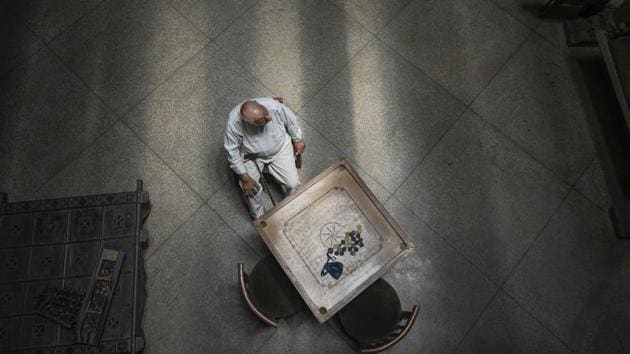
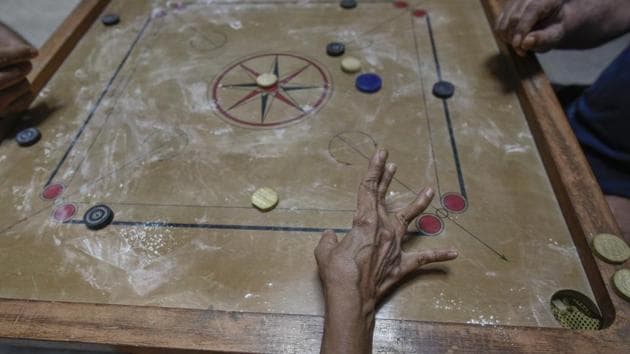
A resident of Panchvati old age home sits next to a carom board in New Delhi’s Tughlakabad. As parents grow old, sometimes abandoned by their families and left to fend for themselves in their twilight years, time is all these people have as their needs actually become fewer. (Burhaan Kinu / HT Photo)
2/9
 View Photos in a new improved layout
Updated on Jun 28, 2018 11:49 AM
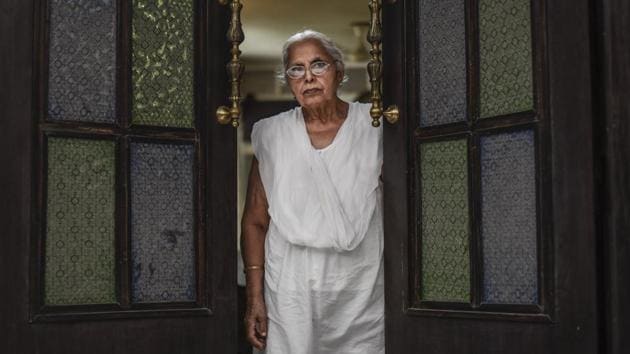
A resident of Panchavati old age reminisces about where she has landed up in this age. Earlier, she used to stay with her family in Delhi, but as time passed her children shifted for a few years to Bangkok, and to USA thereon. She said she misses those old days when the family was together. (Burhaan Kinu / HT Photo)
3/9
 View Photos in a new improved layout
Updated on Jun 28, 2018 11:49 AM
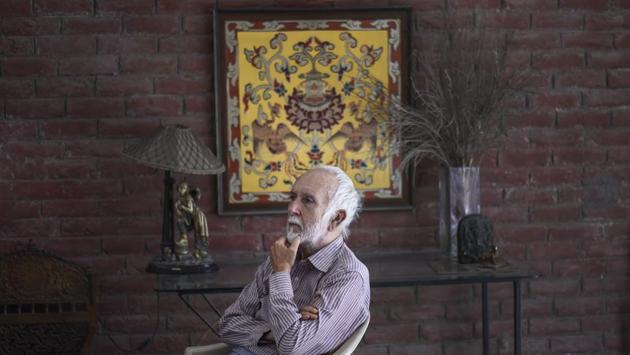
Another resident of the old age home feels that the biggest challenge for him is not to die in a condition that leaves him dependent and a liability. In old age, dying peacefully is one of his biggest hopes. (Burhaan Kinu / HT Photo)
4/9
 View Photos in a new improved layout
Updated on Jun 28, 2018 11:49 AM
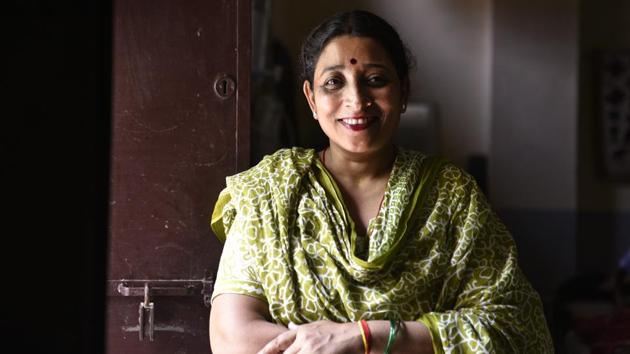
Dr. Rajeshwari Singh, owner of Sai Sahara old age home at New Delhi’s Dasghara village. In 2005, she started the old age home with four people which now has risen to 15. There are those who have been de-addicted from their drinking problem yet remain unwanted. There are those who have been abandoned after the death of their spouse. There are those who have willingly come here as life was worse for them with their families. (Sanchit Khanna / HT Photo)
5/9
 View Photos in a new improved layout
Updated on Jun 28, 2018 11:49 AM
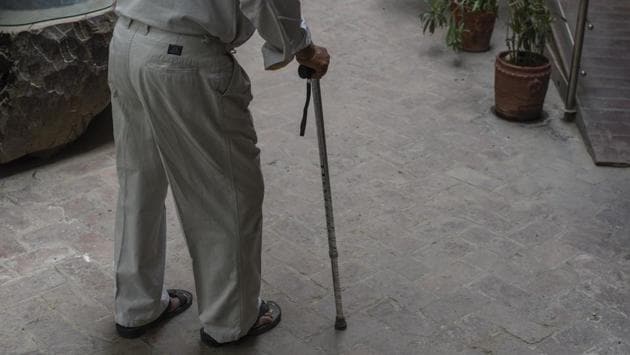
Moving to an old-age home is a disrupting experience but once here, the elderly do not take too much time to settle in. They don’t want to become a burden on anyone. They understand if their children want to live separately, the only thing they want is little time from them. (Burhaan Kinu / HT Photo)
6/9
 View Photos in a new improved layout
Updated on Jun 28, 2018 11:49 AM
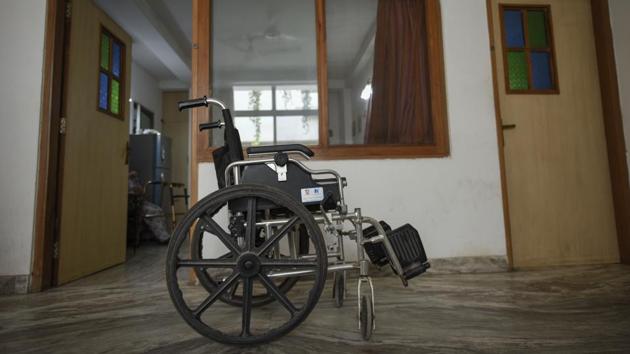
India’s ageing population is growing fast, currently from 100 million it is estimated to grow to 300 million by 2050. In the face of such projected growth it’s important to understand how India treats its elderly. In a survey conducted by Helpage India, 25% of elderly have experienced abuse, and among the main abusers 52% were sons and 34% were daughters-in-law. (Burhaan Kinu / HT Photo)
7/9
 View Photos in a new improved layout
Updated on Jun 28, 2018 11:49 AM
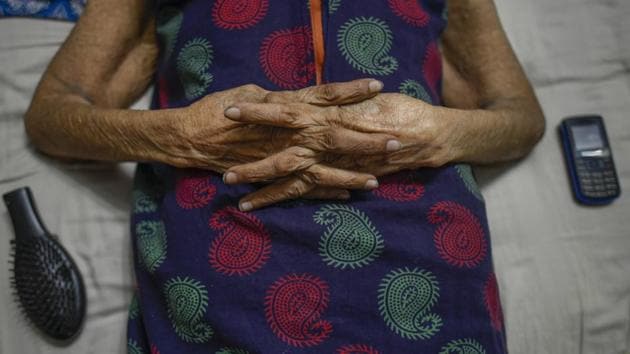
The elderly need qualitative care not quantitative, spending five minutes with them is sufficient but even that becomes bothersome for some families. That is when neglect and loneliness creeps in among the aged which leads them to suffer from self-pity syndrome, thinking of all that they did for their children who now do not want them anymore. (Burhaan Kinu / HT Photo)
8/9
 View Photos in a new improved layout
Updated on Jun 28, 2018 11:49 AM
As per Helpage India’s survey, 22% of the elderly are being exploited financially and 12% of them have suffered from physical abuse. The top five cities with a highest percentage of elder abuse are Mangalore (47%) Ahmedabad (46%) Amritsar (35%) Bhopal (39%) and Delhi (33%). More than 50% of the abusers are skilled workers and working professionals, implying that elder abuse is more of an ethical and moral phenomena rather than a socio-cultural one. (Burhaan Kinu / HT Photo)
9/9
 View Photos in a new improved layout
Updated on Jun 28, 2018 11:49 AM