
 E-Paper



The traditional gun manufacturers of Jammu
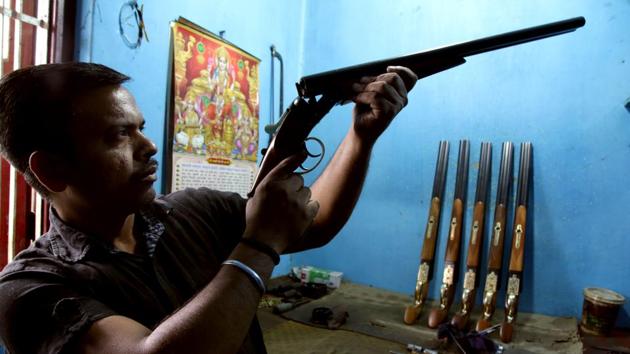
A worker assembles guns at a factory in Jammu. The Indian government banned civilian firearms licenses in the early 1990s in Kashmir valley when an armed rebellion broke out against Indian rule. Subsequently, the majority of gun factories either had to shut or shift base to Jammu region. Rising militancy in the valley in the recent years has pushed the traditional gun manufacturers on the fringes of closure. (Nitin kanotra / HT Photo)
Updated on: May 18, 2017 1:34 PM IST

Share via


Copy link

1/8

 View Photos in a new improved layout
Updated on May 18, 2017 1:34 PM
A worker assembles guns at a factory in Jammu. The Indian government banned civilian firearms licenses in the early 1990s in Kashmir valley when an armed rebellion broke out against Indian rule. Subsequently, the majority of gun factories either had to shut or shift base to Jammu region. Rising militancy in the valley in the recent years has pushed the traditional gun manufacturers on the fringes of closure. (Nitin kanotra / HT Photo)
2/8
 View Photos in a new improved layout
Updated on May 18, 2017 1:34 PM
Jammu is the second largest gun manufacturer in India with more than 20 working active factories. (nitin kanotra / HT photo)
3/8
 View Photos in a new improved layout
Updated on May 18, 2017 1:34 PM
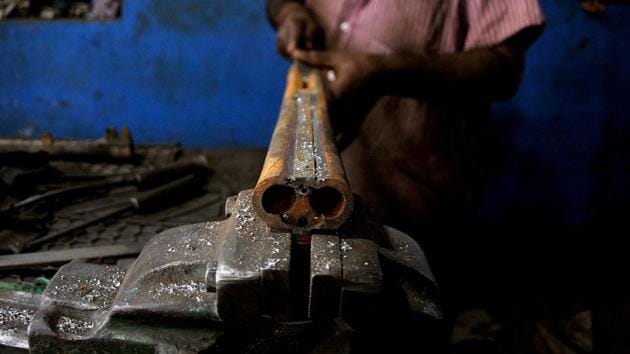
The butts are made of Kashmiri walnut wood while the barrel, trigger and other metal parts come from Punjab and New Delhi. (Nitin Kanotra/HT Photo)
4/8
 View Photos in a new improved layout
Updated on May 18, 2017 1:34 PM
Owners of the gun factory have to make around 1500 guns in a year depending upon the demand in the market. (Nitin Kanotra/HT Photo)
5/8
 View Photos in a new improved layout
Updated on May 18, 2017 1:34 PM
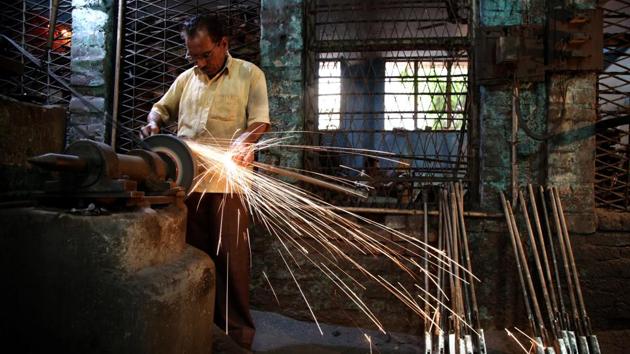
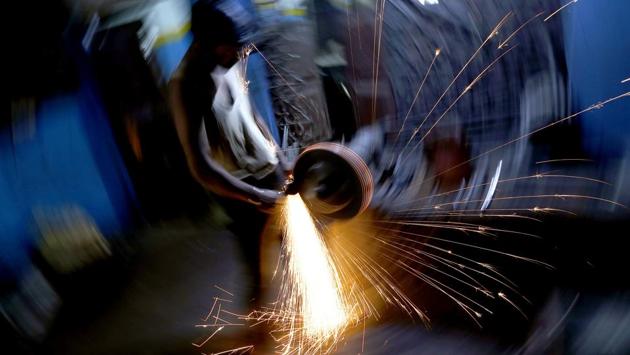
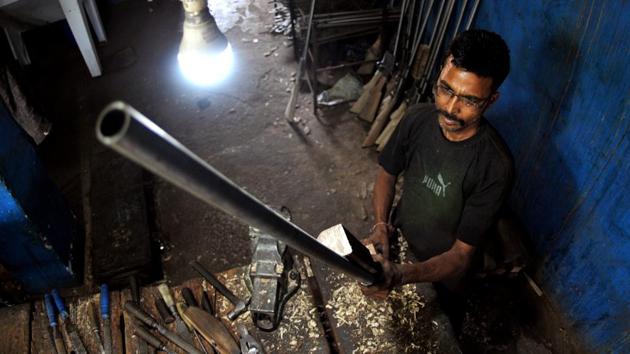
A worker giving a shape to the barrels of a gun at a gun factory. Majority of their clients now are former soldiers who need guns to get jobs as private guards, or to keep a firearm for security at home. (Nitin Kanotra/HT Photo)
6/8
 View Photos in a new improved layout
Updated on May 18, 2017 1:34 PM
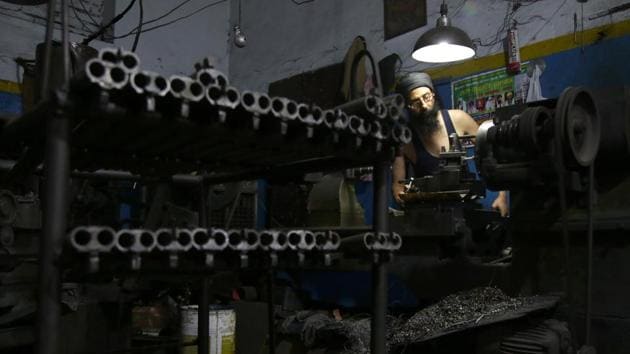
A double-barrel shotgun costs up to Rs 20,000 while the single-barrel is cheaper at Rs 14,000. These factories pioneered the manufacturing of 12-bore double-barrel and single-barrel shotguns in India. (Nitin Kanotra/HT Photo)
7/8
 View Photos in a new improved layout
Updated on May 18, 2017 1:34 PM
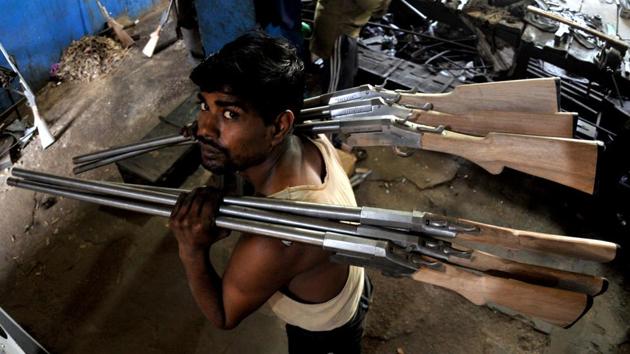
But the protracted insurgency in the Jammu and Kashmir valley has almost killed a flourishing trade and thrust around 1,300 workers and their families into an uncertain future. In the restive Kashmir Valley, gun production was banned. Jammu’s gunmakers faced hard restrictions that pushed seven of 26 units to close shop. (Nitin Kanotra/HT Photo)
8/8
 View Photos in a new improved layout
Updated on May 18, 2017 1:34 PM