
 E-Paper



Armed Forces of Colombia give up guns for peace deal
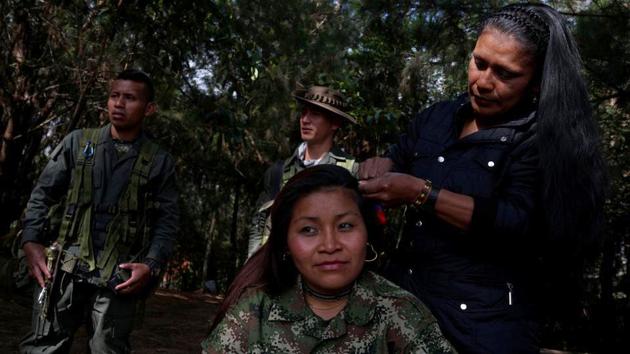
Karina gets her hair done by a friend in a camp while waiting for a truck to move to the transition zone of Pueblo Nuevo, at the Los Robles FARC camp, Colombia. Former fighters from Colombia’s FARC rebel group are handing over thousands of weapons and other materials to international officials in special camps, as the group’s six-month disarmament process continues. (Federico Rios/REUTERS)
Updated on: Apr 03, 2017 9:05 AM IST

Share via


Copy link

1/15
 View Photos in a new improved layout
Updated on Apr 03, 2017 9:05 AM
Karina gets her hair done by a friend in a camp while waiting for a truck to move to the transition zone of Pueblo Nuevo, at the Los Robles FARC camp, Colombia. Former fighters from Colombia’s FARC rebel group are handing over thousands of weapons and other materials to international officials in special camps, as the group’s six-month disarmament process continues. (Federico Rios/REUTERS)
2/15
 View Photos in a new improved layout
Updated on Apr 03, 2017 9:05 AM
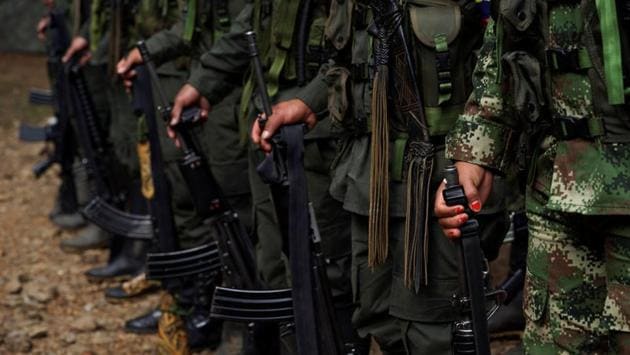
FARC members stand during a formation in a camp before moving to the transitional zone of Pueblo Nuevo. The Revolutionary Armed Forces of Colombia (FARC) signed a peace agreement with the government late last year to put an end to their part in Latin America’s longest-running armed conflict, which has killed more than 220,000 people and displaced millions. (Federico Rios/REUTERS)
3/15
 View Photos in a new improved layout
Updated on Apr 03, 2017 9:05 AM
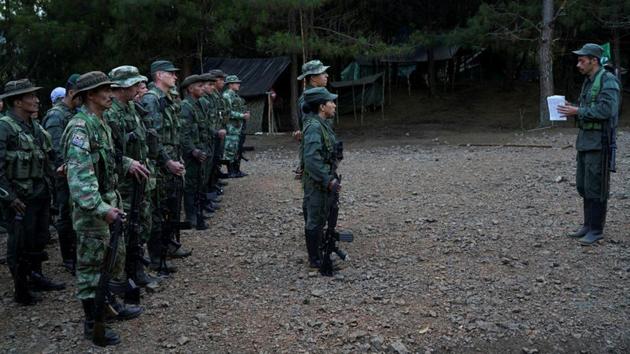
FARC members stand during a formation at the Los Robles FARC camp, Colombia. Weapons handed over to the United Nations will be stored in secure containers until they can be turned into three memorial statues. (Federico Rios/REUTERS)
4/15
 View Photos in a new improved layout
Updated on Apr 03, 2017 9:05 AM
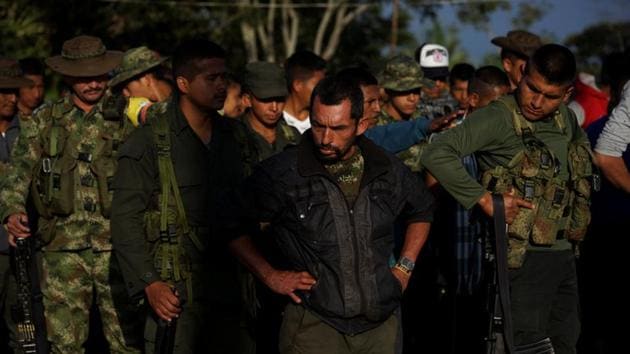
FARC members stand in a camp near the transitional zone of Pueblo Nuevo. The rebels are expected to turn in all arms by June, and some 8,000 are set to be registered by this weekend. (Federico Rios/REUTERS)
5/15
 View Photos in a new improved layout
Updated on Apr 03, 2017 9:05 AM
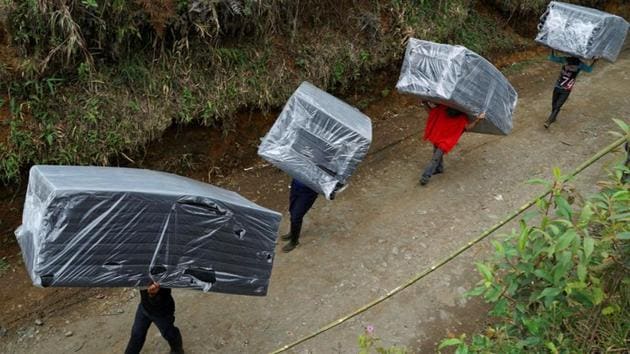
FARC members carry mattresses to their tents in a camp near the transitional zone of Pueblo Nuevo. Members of the Jacobo Arenas rebel unit, which operated in mountains of Cauca province, were among 6,900 FARC fighters who left behind clandestine camps where they had lived for decades, crisscrossing the country on foot, by boat and by truck to get to 26 zones monitored by the United Nations. (Federico Rios/REUTERS)
6/15
 View Photos in a new improved layout
Updated on Apr 03, 2017 9:05 AM
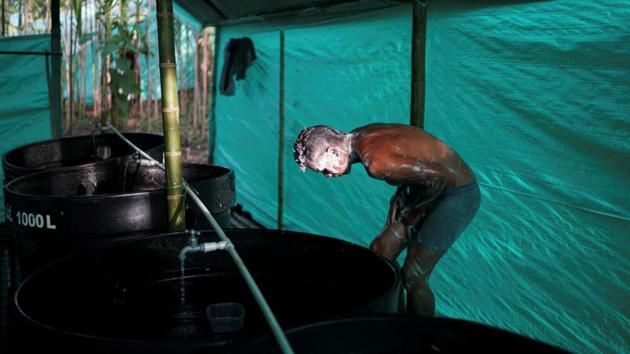
FARC member washes in a camp. The zones will be their homes for the foreseeable future as they complete judicial processes to determine whether they will serve special sentences for war crimes or receive amnesty. The FARC’s leadership has raised concerns about conditions in some of the camps, including the lack of permanent toilets and facilities such as gyms they say were agreed in the accord. (Federico Rios/REUTERS)
7/15
 View Photos in a new improved layout
Updated on Apr 03, 2017 9:05 AM
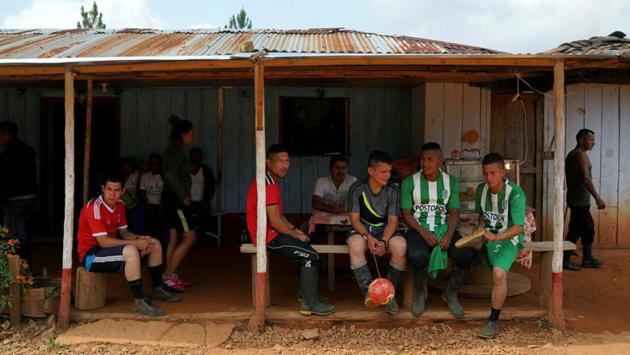
Under the terms of the peace accord, the FARC, which began as a peasant uprising 52 years ago, is to form a political movement in the South American nation. (Federico Rios/REUTERS)
8/15
 View Photos in a new improved layout
Updated on Apr 03, 2017 9:05 AM
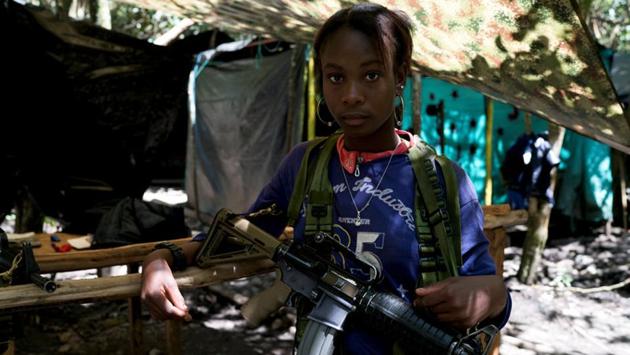
Angela, a FARC member, stands in a camp near La Elvira transitional zone in Los Robles. Some FARC members have told local media they will not hand over their weapons until the camps are more habitable for fighters, who are well used to rough-and-tumble living conditions in poverty-stricken rural areas. (Federico Rios/REUTERS)
9/15
 View Photos in a new improved layout
Updated on Apr 03, 2017 9:05 AM
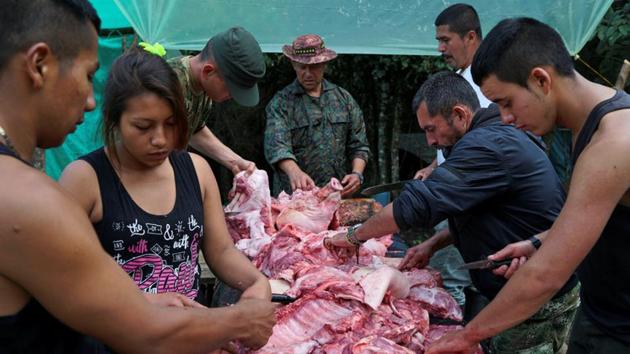
FARC members prepare meat to be cooked for dinner in Los Robles, Colombia. (Federico Rios/REUTERS)
10/15
 View Photos in a new improved layout
Updated on Apr 03, 2017 9:05 AM
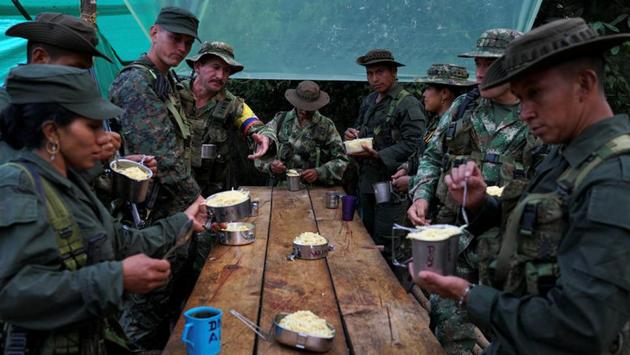
FARC members eat their last dinner before moving troops to Pueblo Nuevo. The government says it is working as quickly as possible to finish each camp, that the FARC is partly responsible for construction and that the facilities are far superior to the tarp and bamboo lean-tos traditionally used by the rebels. (Federico Rios/REUTERS)
11/15
 View Photos in a new improved layout
Updated on Apr 03, 2017 9:05 AM
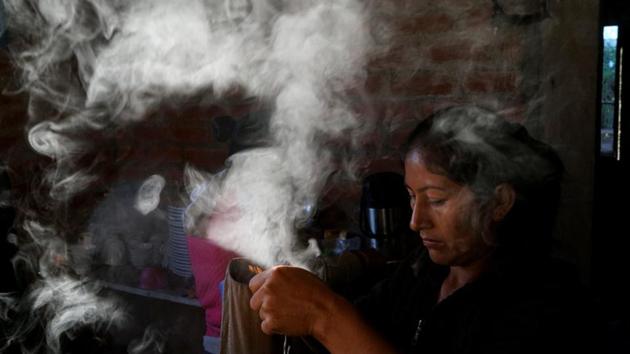
A member of FARC makes coffee in the morning in the camp. Local media reported on Friday that some fighters may stay in camp areas after they demobilize to continue agricultural projects. (Federico Rios/REUTERS)
12/15
 View Photos in a new improved layout
Updated on Apr 03, 2017 9:05 AM
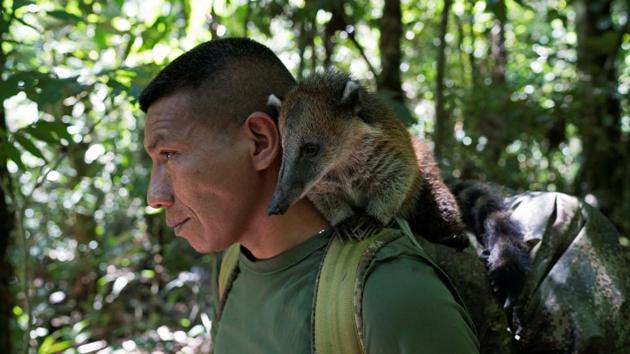
FARC commander Nelson walks with his pet in Los Robles, Colombia. The accord has been heavily criticized for sparing rebels jail time. (Federico Rios/REUTERS)
13/15
 View Photos in a new improved layout
Updated on Apr 03, 2017 9:05 AM
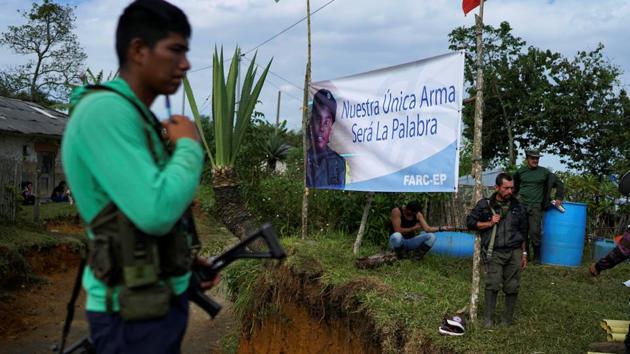
FARC members guard an entrance of a camp near the transitional zone of Pueblo Nuevo in the Cauca mountains. A first version was narrowly rejected in a referendum last year, before being modified and passed by Congress. (Federico Rios/REUTERS)
14/15
 View Photos in a new improved layout
Updated on Apr 03, 2017 9:05 AM
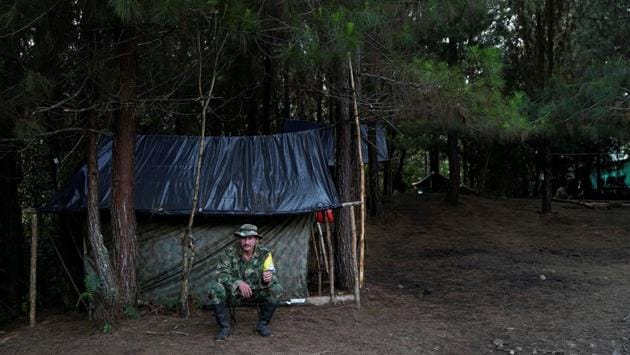
Juancho smokes a cigarette outside his makeshift tent in Los Robles, Colombia. (Federico Rios/REUTERS)
15/15
 View Photos in a new improved layout
Updated on Apr 03, 2017 9:05 AM