
 E-Paper



Displaced by Boko Haram, families try to reclaim life
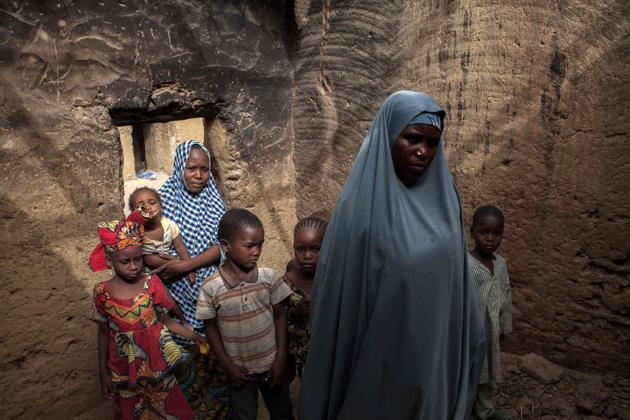
Yagana Bukar and her mother (R), whose two children have been kidnapped by Boko Haram insurgents, are seen at the family home in the town of Damasak in North East Nigeria . Yagana Bukar's younger brothers Mohammed and Sadiq were among about 300 children kidnapped by Boko Haram from the town of Damasak in remote northeastern Nigeria nearly three years ago who have returned to their homes. (Florian Plaucheur / AFP)
Published on: Apr 27, 2017 9:10 AM IST

Share via


Copy link

1/11
 View Photos in a new improved layout
Published on Apr 27, 2017 9:10 AM
Yagana Bukar and her mother (R), whose two children have been kidnapped by Boko Haram insurgents, are seen at the family home in the town of Damasak in North East Nigeria . Yagana Bukar's younger brothers Mohammed and Sadiq were among about 300 children kidnapped by Boko Haram from the town of Damasak in remote northeastern Nigeria nearly three years ago who have returned to their homes. (Florian Plaucheur / AFP)
2/11
 View Photos in a new improved layout
Published on Apr 27, 2017 9:10 AM
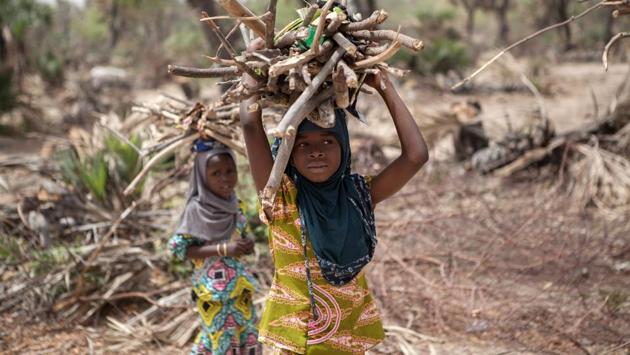
The global outrage and social media campaign that followed the abduction of 219 schoolgirls from Chibok, there were no protests for the children of Damasak. (Florian Plaucheur / AFP)
3/11
 View Photos in a new improved layout
Published on Apr 27, 2017 9:10 AM
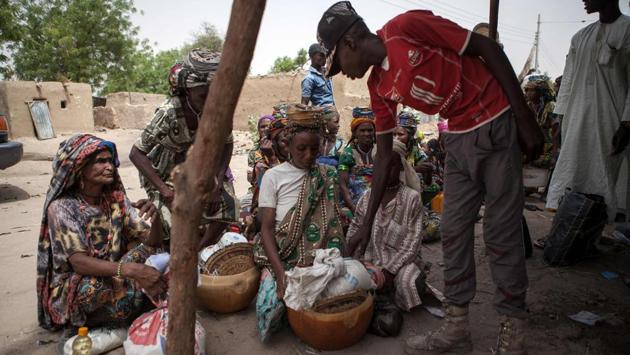
A member of Civilian Joint Task Force (CJTF) screens women at the entrance of the town of Damasak in North East Nigeria on April, 25 2017 as thousands of Nigerians, who were freed in 2016 by the Nigerian army from Boko Haram insurgents, are returning to their homes . (Florian Plaucheur / AFP)
4/11
 View Photos in a new improved layout
Published on Apr 27, 2017 9:10 AM
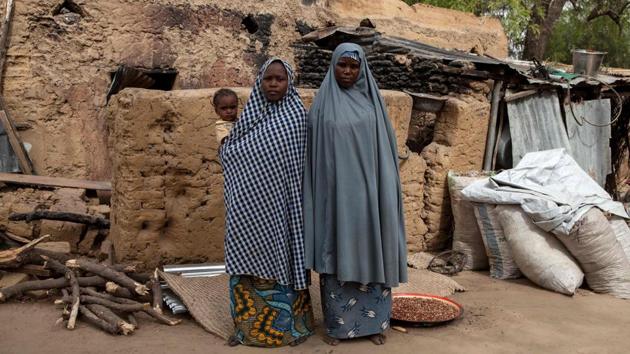
Damasak is now one of the many neglected tragedies of the eight-year long insurgency that has killed at least 20,000 people, left millions homeless and caused a severe food shortage. (Florian Plaucheur / AFP)
5/11
 View Photos in a new improved layout
Published on Apr 27, 2017 9:10 AM
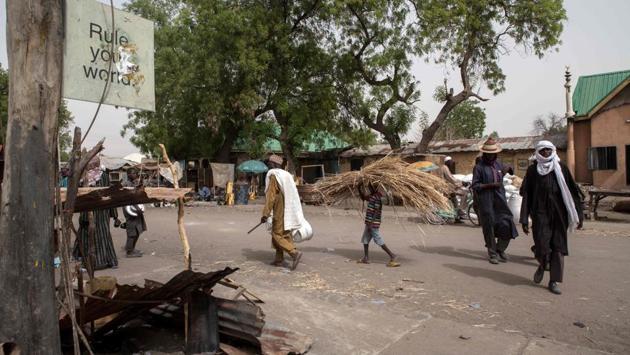
People walk on a street in the town of Damasak where Boko Haram enforced its own, radical version of Islam that forbids Western education and seeks to destroy the secular Nigerian state. (Florian Plaucheur / AFP)
6/11
 View Photos in a new improved layout
Published on Apr 27, 2017 9:10 AM
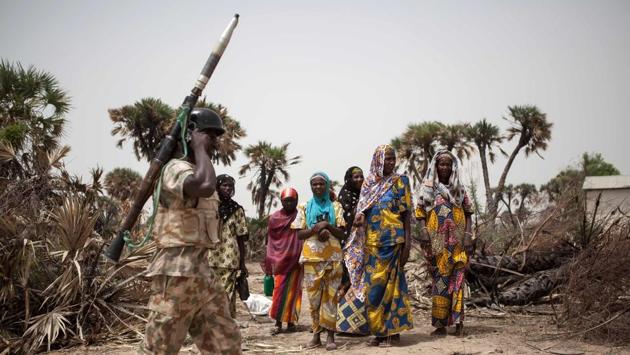
A Nigerian soldier, with a rocket propelled grenade (RPG), patrols on the outskirt of the town of Damasak . (Florian Plaucheur / AFP)
7/11
 View Photos in a new improved layout
Published on Apr 27, 2017 9:10 AM
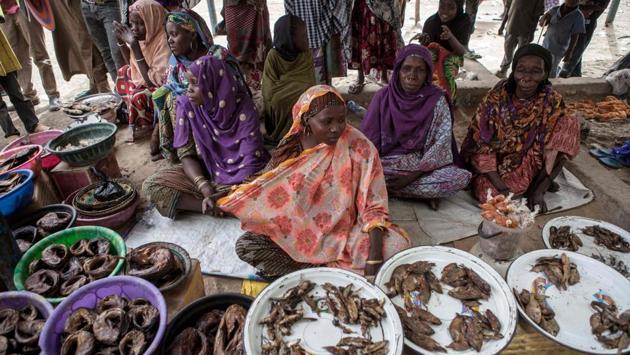
Women sell fish at a market in the town of Damasak . (Florian Plaucheur / AFP)
8/11
 View Photos in a new improved layout
Published on Apr 27, 2017 9:10 AM
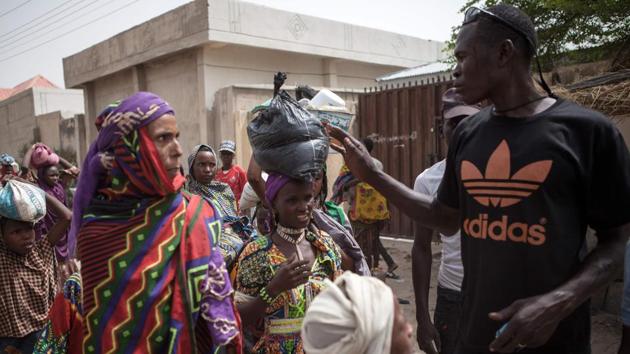
The road to the Borno state capital, Maiduguri, nearly 200 kilometres (125 miles) away was reopened in December last year after years of fierce battles with the jihadists. (Florian Plaucheur / AFP)
9/11
 View Photos in a new improved layout
Published on Apr 27, 2017 9:10 AM
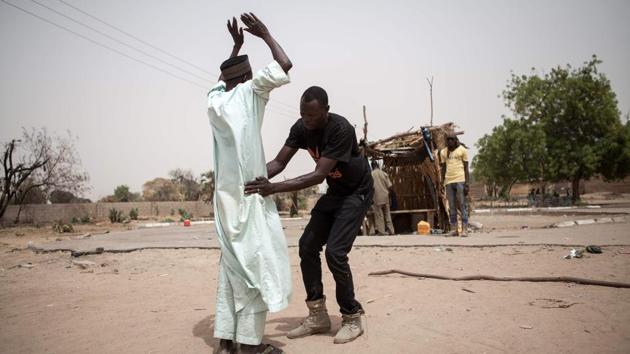
A member of Civilian Joint Task Force (CJTF) screens an old person at the entrance of the town of Damasak. Now , the government is leading a reconstruction effort and aid agencies are distributing food and ramping up health services, including vaccinations against polio. (Florian Plaucheur / AFP)
10/11
 View Photos in a new improved layout
Published on Apr 27, 2017 9:10 AM
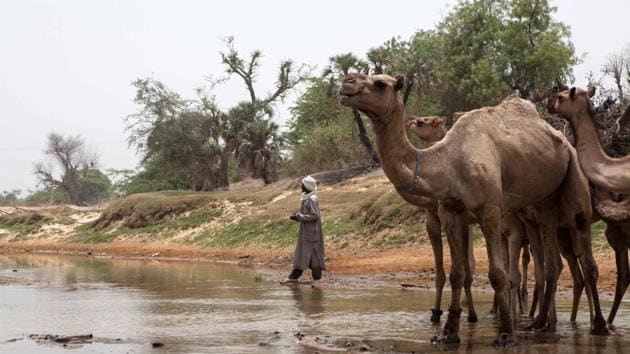
The Yobe river that separates Nigeria from Niger, where thousands fled to safety from attacks by Boko Haram insurgents . (Florian Plaucheur / AFP)
11/11
 View Photos in a new improved layout
Published on Apr 27, 2017 9:10 AM