
 E-Paper



Myanmar: The land of ‘pigeon-blood’ rubies
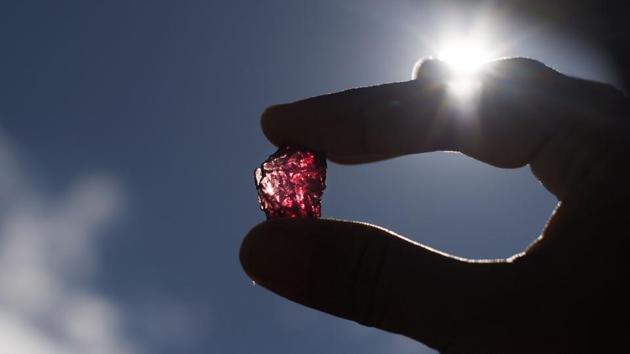
A buyer checking a ruby in the gems market in Mogok, north of Mandalay. Myanmar produces more than 80 percent of the world's rubies, yet decades of isolation under the former military junta means the industry remains cloaked in mystery. (Ye Aung Thu/AFP)
Updated on: Jan 05, 2017 10:46 PM IST

Share via


Copy link

1/11
 View Photos in a new improved layout
Updated on Jan 05, 2017 10:46 PM
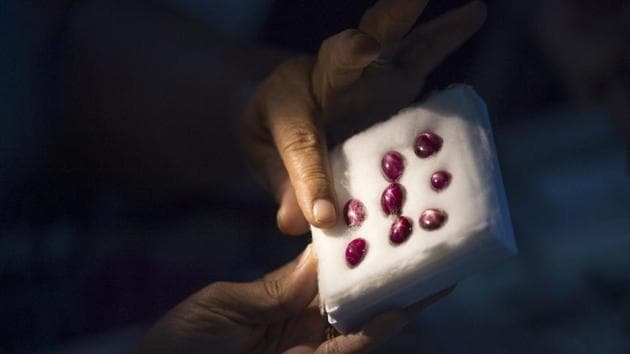
A buyer checking a ruby in the gems market in Mogok, north of Mandalay. Myanmar produces more than 80 percent of the world's rubies, yet decades of isolation under the former military junta means the industry remains cloaked in mystery. (Ye Aung Thu/AFP)
2/11
 View Photos in a new improved layout
Updated on Jan 05, 2017 10:46 PM
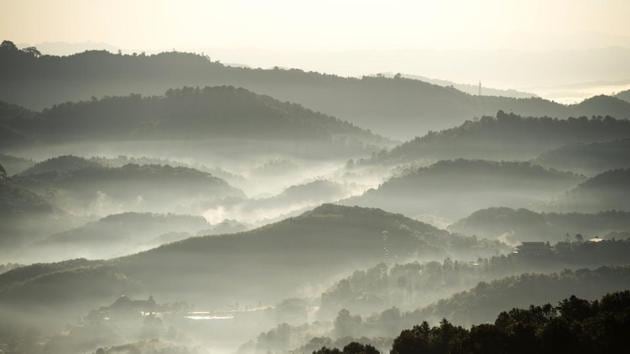
A general view of ruby mines in Mogok. For centuries emperors, kings and warlords have vied for control over the valley of Mogok, once known as the “land of rubies” for its extraordinary treasure trove of jewels. (Ye Aung Thu/AFP)
3/11
 View Photos in a new improved layout
Updated on Jan 05, 2017 10:46 PM
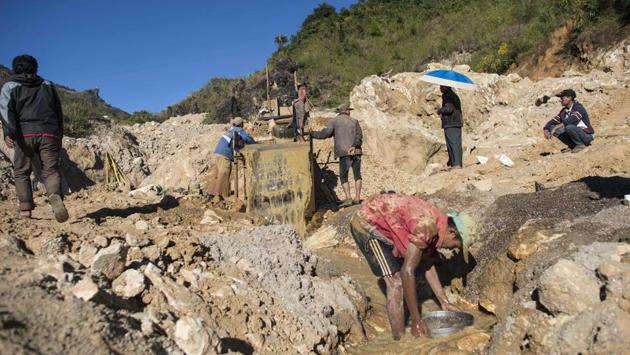
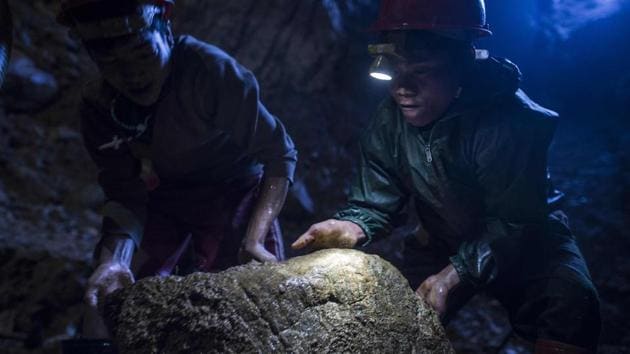
Miners cleaning stones found inside the mines. Its unique “pigeon-blood” stones are the most expensive coloured gems in the world. The so-called ‘Sunrise Ruby’ was sold for a record $30.3 million in 2016, over $1 million a carat. (Ye Aung Thu/AFP)
4/11
 View Photos in a new improved layout
Updated on Jan 05, 2017 10:46 PM
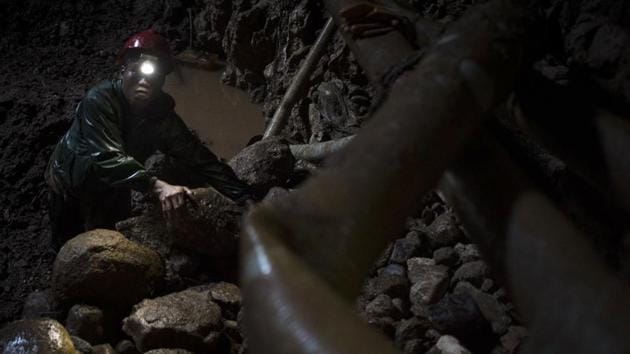
In October, the US lifted sanctions barring imports of the rubies in recognition of the country’s shift towards democracy under the new government of Aung San Suu Kyi. (Ye Aung Thu/AFP)
5/11
 View Photos in a new improved layout
Updated on Jan 05, 2017 10:46 PM
Experts fear any boom will end up lining the pockets of military men and their friends who control much of the gem trade. (Ye Aung Thu/AFP)
6/11
 View Photos in a new improved layout
Updated on Jan 05, 2017 10:46 PM
A buyer checks a ruby in the gems market of Mogok. In 2003, US imposed its first round of sanctions barring imports of gems from Myanmar in a bid to starve the military government of funds. (Ye Aung Thu/AFP)
7/11
 View Photos in a new improved layout
Updated on Jan 05, 2017 10:46 PM
Production in Mogok has surged since the mid-90s when the former junta first allowed in private companies, bringing with them heavy machinery and more intensive mining methods. (Ye Aung Thu/AFP)
8/11
 View Photos in a new improved layout
Updated on Jan 05, 2017 10:46 PM
The industry is overseen by the Myanmar Gems Enterprise (MGE), a state-owned enterprise run by former military men that was taken off the US sanctions list in May. (Ye Aung Thu/AFP)
9/11
 View Photos in a new improved layout
Updated on Jan 05, 2017 10:46 PM
Many private companies in Mogok are believed to be operated by Thais and Chinese, who use shell companies to bypass laws barring any foreigners from running Myanmar’s mines. (Ye Aung Thu/AFP)
10/11
 View Photos in a new improved layout
Updated on Jan 05, 2017 10:46 PM
The highest-quality stones are smuggled across the country’s porous eastern borders to Bangkok or Hong Kong, where they are polished and made into jewellery. (Ye Aung Thu/AFP)
11/11
 View Photos in a new improved layout
Updated on Jan 05, 2017 10:46 PM