
 E-Paper



Photos: An emotional farewell to Germany’s last active black coal mine
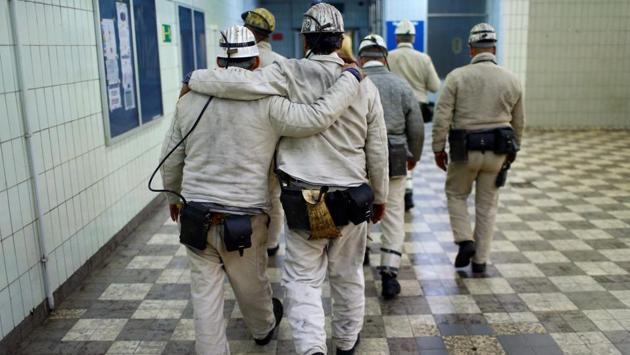
On Friday, Germany closed its last black coal mine marking the end of an industry that laid the foundations for country’s industrial revolution and its post-war economic recovery. An emotional tribute was given to the 200-year-old industry during a ceremony which was carried live on television and attended by 500 people, including European Commission chief Jean-Claude Juncker and German President Frank-Walter Steinmeier. The closure comes amid a growing environmental outcry against coal and cheaper imports from abroad.
Updated on: Dec 24, 2018 4:27 PM IST

Share via


Copy link

1/10
 View Photos in a new improved layout
Updated on Dec 24, 2018 4:27 PM
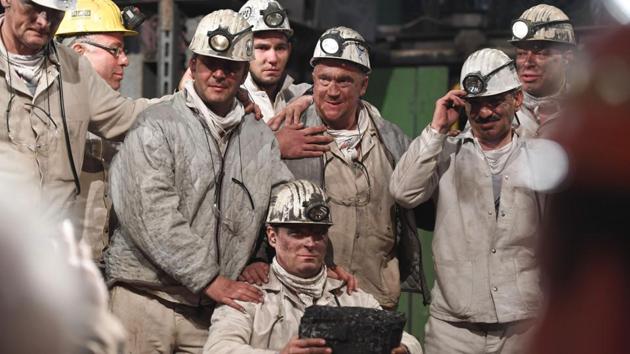
Straining to hold back tears, their once-white helmets and overalls smeared with dust, seven miners in Germany held the symbolic last chunk of “black gold” hauled up from 1,000 meters below. Germany closed its last black coal mine on Friday, paying an emotional tribute to a 200-year-old industry that once fuelled the country’s economic growth but lost out to foreign competitors. (Patrik Stollarz / AFP)
2/10
 View Photos in a new improved layout
Updated on Dec 24, 2018 4:27 PM
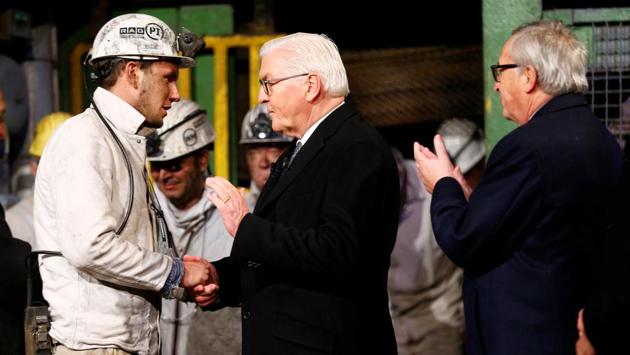
A miner shakes hands with German President Frank-Walter Steinmeier as European Commission President Jean-Claude Juncker claps during a ceremony marking the end of an industry that laid the foundations for Germany’s industrial revolution and its post-war economic recovery. “A piece of German history is coming to an end here,” Steinmeier told the miners. (Wolfgang Rattay / REUTERS)
3/10
 View Photos in a new improved layout
Updated on Dec 24, 2018 4:27 PM
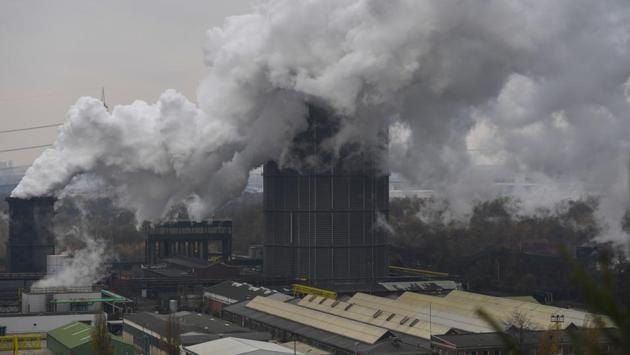
The Prosper-Haniel mine in the western city of Bottrop and another colliery in Ibbenbueren, 100 kilometers to the north, were the last remnants of an industry that once dominated the region, employing half a million people at its peak in the 1950s. Together, they helped feed the Ruhr valley’s hungry steel mills until imports of cheaper, foreign coal took over. (Patrik Stollarz / AFP File)
4/10
 View Photos in a new improved layout
Updated on Dec 24, 2018 4:27 PM
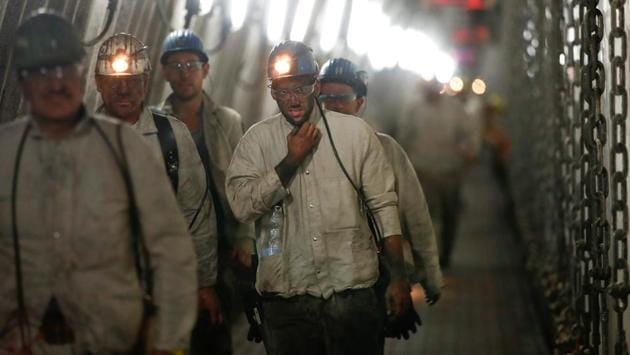
Miners leave “shaft 7”, some 1,200 metres below surface, following their shift at the mine. For decades, the mines survived only thanks to generous subsidies. But in 2007, a political decision was made to phase them out, with a promise of early retirement or retraining for their remaining workers. (Wolfgang Rattay / REUTERS)
5/10
 View Photos in a new improved layout
Updated on Dec 24, 2018 4:27 PM
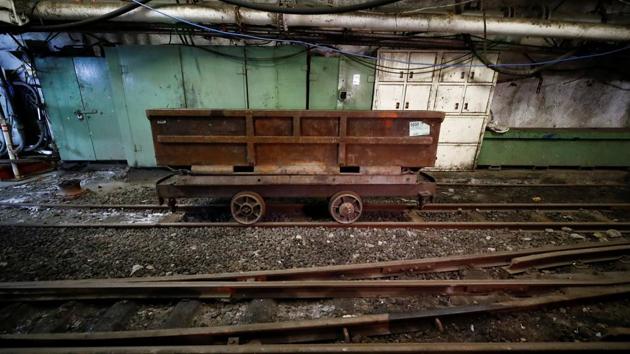
An empty lorry is seen in “shaft 6”, some 1,000 metres below surface. According to government figures, Germany’s coal mining industry received more than 40 billion euros in federal funds since 1998 and is slated to get another 2.7 billion through 2022. Some of the money is needed to deal with mine maintenance and environmental cleanup efforts that include preventing parts of the Ruhr region from slowly sinking as tunnels give way. (Wolfgang Rattay / REUTERS)
6/10
 View Photos in a new improved layout
Updated on Dec 24, 2018 4:27 PM
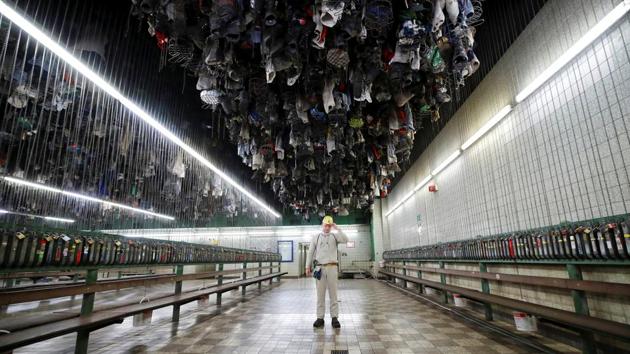
Marcel Pawlinka, a 24-year-old miner, stands in the coe, the change and wash house of the mine. Steinmeier urged the miners and their loved ones to look to the future, but also to take pride in a culture of hospitality and openness. (Wolfgang Rattay / REUTERS)
7/10
 View Photos in a new improved layout
Updated on Dec 24, 2018 4:27 PM
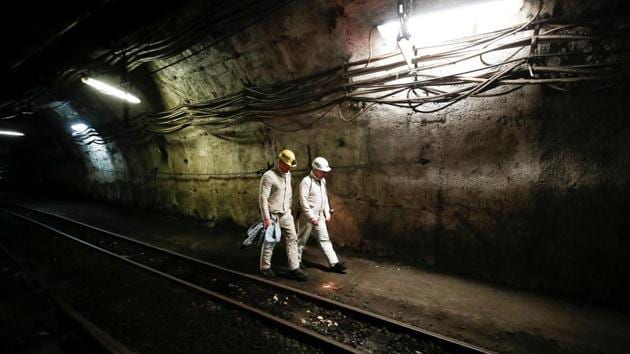
The end of deep-shaft mining is seen as a test for the planned closure of opencast lignite, or brown coal, mines that still operate in Germany. The Ruhr region became a melting pot with the arrival since the 19th century of successive waves of immigrants, from Poland, Italy and Turkey, in search of well-paid work down the mines. (Wolfgang Rattay / REUTERS)
8/10
 View Photos in a new improved layout
Updated on Dec 24, 2018 4:27 PM
A miner returns his head light onto the charging wall unit. Germany still generates almost two-fifths of its electricity from burning coal, a situation that scientists say can’t continue if Germany wants to reduce its greenhouse gas emissions. Lignite is considered even dirtier than black coal but remains relatively cheap to extract, even in Germany. (Wolfgang Rattay / REUTERS)
9/10
 View Photos in a new improved layout
Updated on Dec 24, 2018 4:27 PM
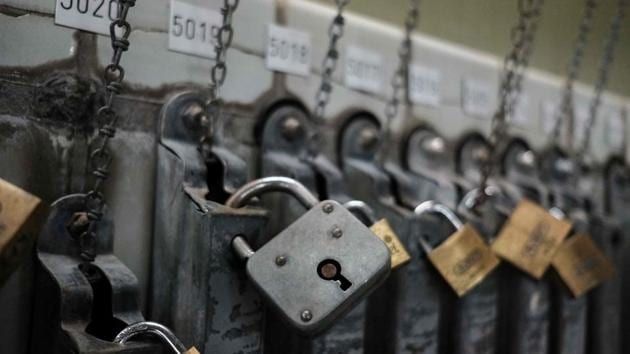
Locks are pictured at the coop. More than 400 coal mining regions around the world will face similar pressures to shut down in coming decades amid international efforts to curb global warming. Some in Germany fear that other sources of energy — chiefly renewables — may not be sufficient, especially as the country also plans to shut down its nuclear plants by 2022. (Patrik Stollarz / AFP)
10/10
 View Photos in a new improved layout
Updated on Dec 24, 2018 4:27 PM