
 E-Paper



Photos: Brazil’s wildcat miners toil for gold in the Amazon
With Brazilian lawmakers seeking to reform the country's mining regulations and open portions of the Amazon to mining, illegal setups known as garimpos find themselves stranded between livelihood and official recognition.
Updated on: Sep 16, 2017 12:51 PM IST

Share via


Copy link

1/9
 View Photos in a new improved layout
Updated on Sep 16, 2017 12:51 PM
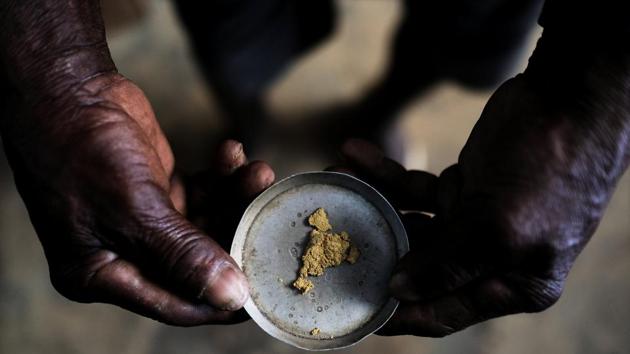
Brazilian garimpos, or wildcat mines, operated by small crews of men in Brazil are seen by many as a scourge polluting the Amazon rainforest, poisoning indigenous tribes and robbing the nation of its wealth. For others it is a way of life. Garimpos are in the spotlight as Brazil debates opening an area known as Renca in the northern Amazon forest to mining, which has met with stiff resistance from environmentalists. (Nacho Doce / REUTERS)
2/9
 View Photos in a new improved layout
Updated on Sep 16, 2017 12:51 PM
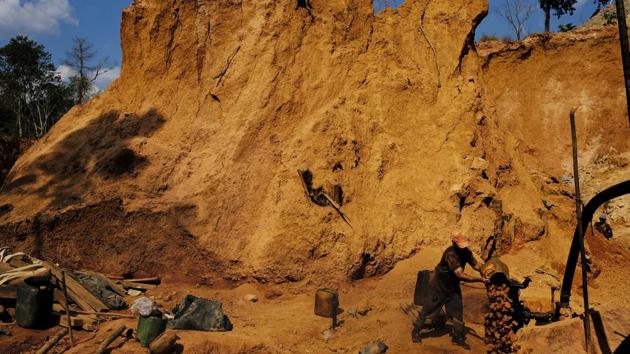
There are 2,113 licensed garimpo sites in Brazil, according to governmental data, but environmental experts and officials, who asked not to be named, said far more small-scale mines skip the licensing and ignore regulations altogether. (Nacho Doce / REUTERS)
3/9
 View Photos in a new improved layout
Updated on Sep 16, 2017 12:51 PM
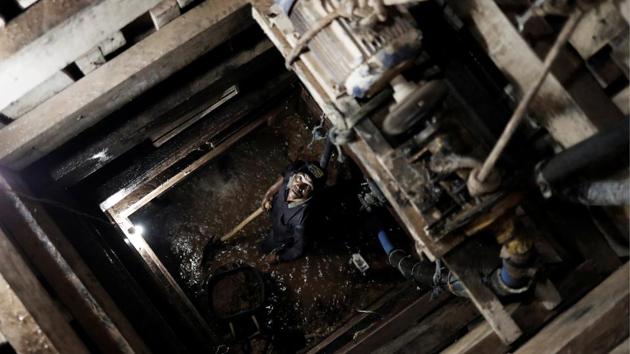
Most operations involve miners, caked in red-brown mud and working with rudimentary pans, shovels and sluice boxes that have been used for centuries. More sophisticated operations use water cannons and boats sucking mud from the bottoms of rivers. Regardless of the method, searching for gold and other minerals like cassiterite and niobium is dirty, dangerous and often illegal. (Nacho Doce / REUTERS)
4/9
 View Photos in a new improved layout
Updated on Sep 16, 2017 12:51 PM
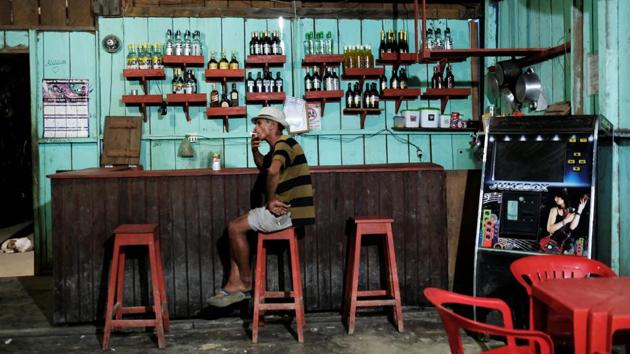
‘Looking for gold is like playing in a casino,’ said a 48-year-old miner who asked not to be named for fear of the police as much of their work is illegal. He started in the wildcat mines as a teenager in the area around Crepurizao — a ramshackle frontier town of 5,000 with a dirt landing strip that is a gateway for informal mining in the region. (Nacho Doce / REUTERS)
5/9
 View Photos in a new improved layout
Updated on Sep 16, 2017 12:51 PM
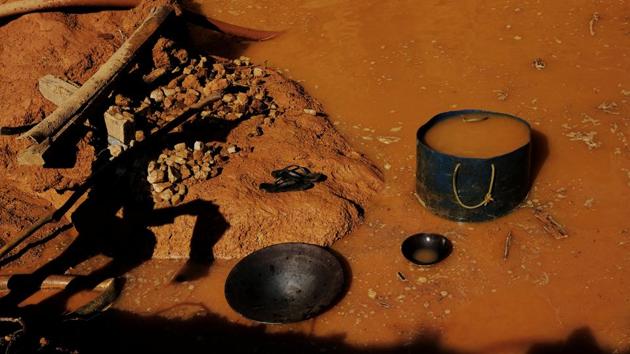
Living in makeshift homes of wood and plastic, miners in the area ship some 60 kilograms (132 lbs) of gold per month, according to traders. That much pure gold is worth millions of dollars on the global market, but high costs and layers of traders in the local market leave most miners living on the brink of poverty. Basic staples can cost four or five times the price in the nearest city, an eight-hour bus ride away. (Nacho Doce / REUTERS)
6/9
 View Photos in a new improved layout
Updated on Sep 16, 2017 12:51 PM
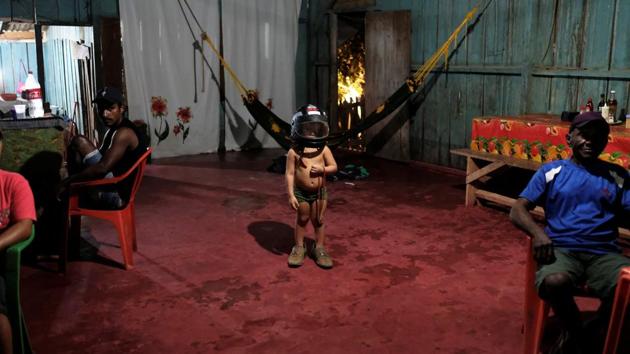
Fuel stations, a general store, a bar, an evangelical church and prostitutes vie for the income and attention of the miners, known as garimpeiros, when they aren’t working or lazing in hammocks. Mines and Energy Minister Fernando Coelho Filho argues that licensed mining will be an improvement over the estimated 1,000 people currently mining in the reserve illegally. (Nacho Doce / REUTERS)
7/9
 View Photos in a new improved layout
Updated on Sep 16, 2017 12:51 PM
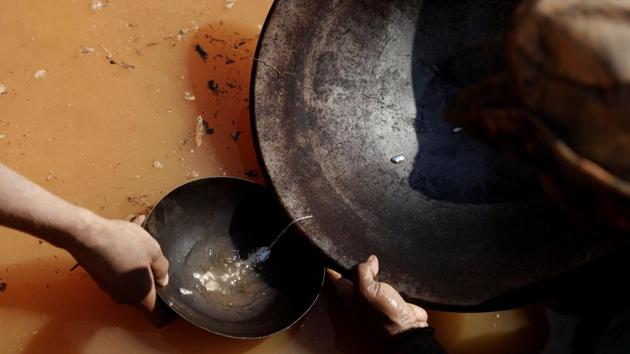
The total area worked by garimpeiros is thought to be small. But chemicals like mercury, which miners dump to separate gold from grit, pose threats of contamination. In March 2016, a government-backed study of indigenous villages in the northern state of Roraima revealed alarming levels of mercury. One group of villagers had more than double the level considered a serious health risk - such as damage to the central nervous system, kidneys, heart and reproductive process - detected in their hair. (Nacho Doce / REUTERS)
8/9
 View Photos in a new improved layout
Updated on Sep 16, 2017 12:51 PM
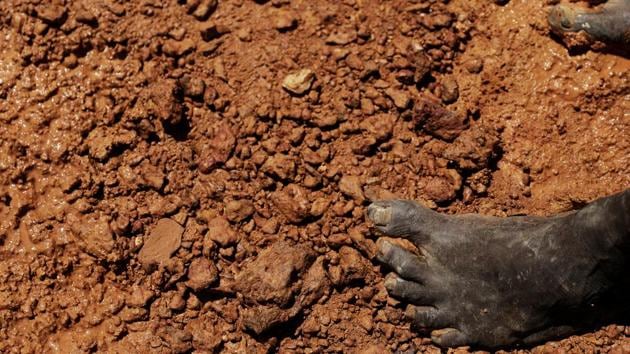
A wildcat gold miner, or garimpeiro, rests in a hammock at a wildcat mine. The Mining and Energy Ministry has said a new oversight agency created in a decree by President Michel Temer, now pending congressional approval, will allow more effective government coordination and inspections to restrict illegal mining. While the regulations target licensed miners, illegal mining remains a matter for the police. (Nacho Doce / REUTERS)
9/9
 View Photos in a new improved layout
Updated on Sep 16, 2017 12:51 PM