
 E-Paper



Photos: Death row art gives a rare glimpse inside Vietnam jails
Palm-sized creations made by death row inmates in Vietnam prisons using discarded plastic bags, shredded and woven into figurines, and smuggled out of their solitary cells by prisoners going out, offer a rare glimpse of prison life in the country, believed to be one of the world's leading executioners. On the outside, these gifts to loved ones, lawyers and friends are a sign that those imprisoned are still holding strong mentally, and also an emotional lifeline for desperate parents fighting to free the children they say have been wrongly convicted.
Updated on: May 30, 2018 9:41 AM IST

Share via


Copy link

1/7

 View Photos in a new improved layout
Updated on May 30, 2018 9:41 AM
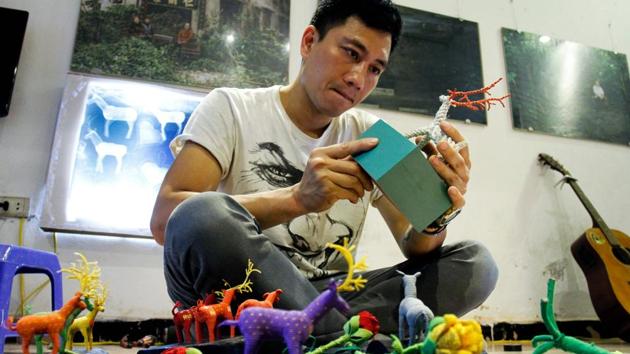
Nguyen Truong Chinh proudly holds up intricately crafted animals -- secret gifts made from plastic bags by his son on Vietnam’s death row. The palm-sized creations that his son and other inmates have furtively made and smuggled out of their solitary cells offer a rare glimpse of prison life in Vietnam, believed to be one of the world’s leading executioners. (Nhac Nguyen / AFP)
2/7
 View Photos in a new improved layout
Updated on May 30, 2018 9:41 AM
His son Nguyen Van Chuong, convicted of murdering a police officer a decade ago, is one of a handful of prisoners known to have made the artwork that is officially banned on death row. The families suspect they used discarded plastic bags, shredded and woven into figurines. Smuggled out by released prisoners, relatives stopped receiving them a few years ago, leading parents to fear a crackdown. (Nhac Nguyen / AFP)
3/7
 View Photos in a new improved layout
Updated on May 30, 2018 9:41 AM
Nguyen Truong Chinh displays portraits of his son. Asking about the practice during closely monitored brief monthly visits is risky. But Chinh says the art drives his decade-long fight to free his son, who he insists is innocent. “When I see the animals, I know somehow that my son is stable enough to create these things, that he is mentally strong,” (Nhac Nguyen / AFP)
4/7
 View Photos in a new improved layout
Updated on May 30, 2018 9:41 AM
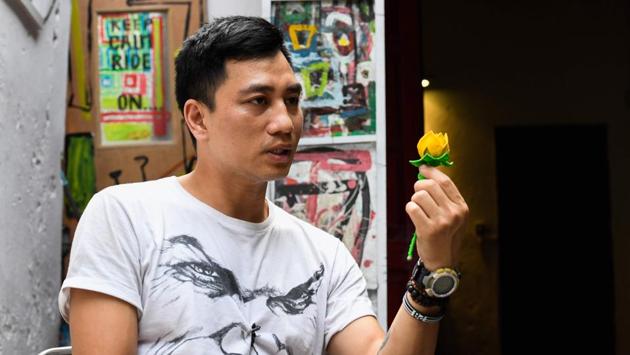
Vietnamese artist Thinh Nguyen displays an intricately crafted flower made by an inmate. Details about prison conditions are scarce and media access heavily restricted. But the law requires death row inmates to be held in solitary confinement and monitored. In letters to his family, Chuong said he was tortured in custody: hung upside down and naked with a dirty sock in his mouth, electrocuted and beaten during interrogation. (Nhac Nguyen / AFP)
5/7
 View Photos in a new improved layout
Updated on May 30, 2018 9:41 AM
Relatives of the death row artists say their work offers a necessary diversion from constant fear of execution. Prisoners are given little notice before their execution, which since 2010 has been carried out by lethal injection. Before then, inmates were awakened before dawn, given a final meal and a cigarette, tied to a post and shot by five officers, with one final “humane shot” to the head. (Nhac Nguyen / AFP)
6/7
 View Photos in a new improved layout
Updated on May 30, 2018 9:41 AM
These pieces of art also serve as an emotional lifeline for desperate parents fighting to free the children they say have been wrongly convicted. “Any time we receive the gifts from my son I feel like he’s here with me, like he’s come back home,” Chinh told AFP, clenching his jaw to hold back tears. (Nhac Nguyen / AFP)
7/7
 View Photos in a new improved layout
Updated on May 30, 2018 9:41 AM