
 E-Paper



Photos: Emboldened by Bolsonaro, armed invaders encroach Brazil’s tribal lands
Brazil is home to about 850,000 indigenous people representing roughly 300 tribes. Their vast reservations, accounting for about 13% of Brazil's territory, have long been a source of conflict with outsiders looking to tap their natural riches. President Bolsonaro has railed against what he sees as excessive federal protections for these minorities. He compared natives on reservations to animals living in zoos, suggesting they would be better off assimilating and enjoying a cut of profits that could come from opening their holdings to farming, logging and mining. He has dismissed reservations as an impediment to agribusiness, one of his top supporters.
Updated on: Mar 04, 2019 1:29 PM IST

Share via


Copy link

1/11

 View Photos in a new improved layout
Updated on Mar 04, 2019 1:29 PM
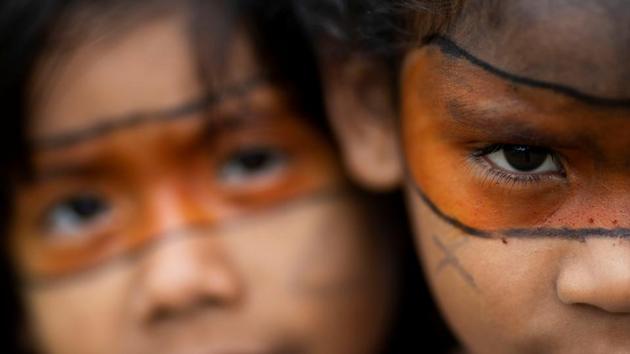
An indigenous child of Uru-eu-wau-wau tribe looks on in an area deforested by invaders, after a meeting was called in the village of Alto Jamari to face the threat of land grabbers. Ten days after Brazil’s right-wing President Jair Bolsonaro took office, dozens of men armed with machetes, chainsaws and firearms entered the protected area, hacking a pathway beneath the jungle canopy to stake their claims. (Ueslei Marcelino / REUTERS)
2/11
 View Photos in a new improved layout
Updated on Mar 04, 2019 1:29 PM
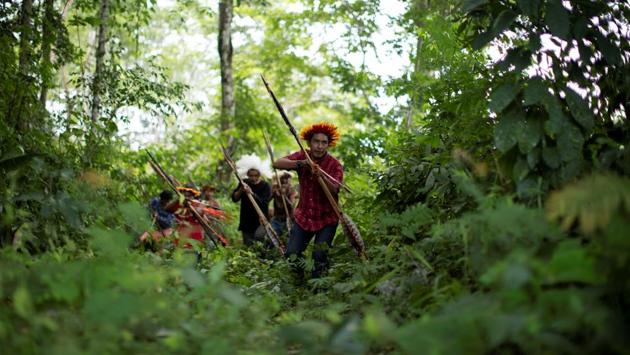
A tense stand-off ensued with members of the Uru-eu-wau-wau tribe, who captured the January confrontation on a cellphone video viewed by Reuters. The trespassers threatened to set fire to their villages to drive them out, tribal members said. Tribesmen readied poison-tipped arrows in their bows. (Ueslei Marcelino / REUTERS)
3/11
 View Photos in a new improved layout
Updated on Mar 04, 2019 1:29 PM
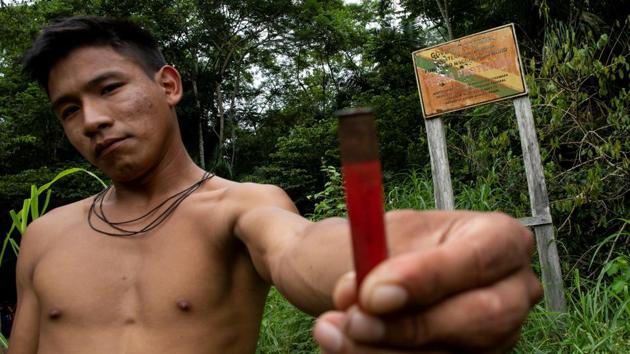
The invaders retreated. But a bullet-riddled sign at the entrance to their sprawling reservation now serves as their calling card. The placard is emblazoned with the acronym FUNAI, a federal agency charged with protecting indigenous land rights. “It was a warning that they are coming back,” Awip Puré Uru-eu-wau-wau, a 19-year-old tribal member, told Reuters. (Ueslei Marcelino / REUTERS)
4/11
 View Photos in a new improved layout
Updated on Mar 04, 2019 1:29 PM
The confrontation is part of a surge of threats and illegal incursions that have accompanied Bolsonaro’s rise to power. Land invasions have increased 150% since he was elected in late October, according to the Indigenous Missionary Council (CIMI), a Brazilian advocacy group. “If I become president, there won’t be one square centimeter of land designated for indigenous reservations,” he said at a 2017 campaign stop. (Ueslei Marcelino / REUTERS)
5/11
 View Photos in a new improved layout
Updated on Mar 04, 2019 1:29 PM
Indigenous advocates say such rhetoric has stoked long-simmering resentment, putting native lives at risk. One of Bolsonaro’s first acts as president was to strip FUNAI of its role in setting reservation boundaries, passing that authority to the Agriculture Ministry, which is dominated by rural interests. (Ueslei Marcelino / REUTERS)
6/11
 View Photos in a new improved layout
Updated on Mar 04, 2019 1:29 PM
The Uru-eu-wau-wau were decimated by illness when farmers arrived in the 1970s with the opening of a road through Rondonia. Today, their 150 survivors live on a reservation covering 1.9 million hectares. While some tribal members wear jeans and use cell phones bought with welfare payments and sales of Brazil nuts and cassava flour, they live largely as their ancestors did, hunting tapirs and wild boar. (Ueslei Marcelino / REUTERS)
7/11
 View Photos in a new improved layout
Updated on Mar 04, 2019 1:29 PM
The tribe has faced invasions by illegal loggers and farmers before. But January’s trespassers were different: They painted numbers on trees spaced out in precise intervals of 60 hectares (148 acres), a sign they were staking out plots for sale to future settlers. The tribe called an emergency assembly of its six villages in late January. (Ueslei Marcelino / REUTERS)
8/11
 View Photos in a new improved layout
Updated on Mar 04, 2019 1:29 PM
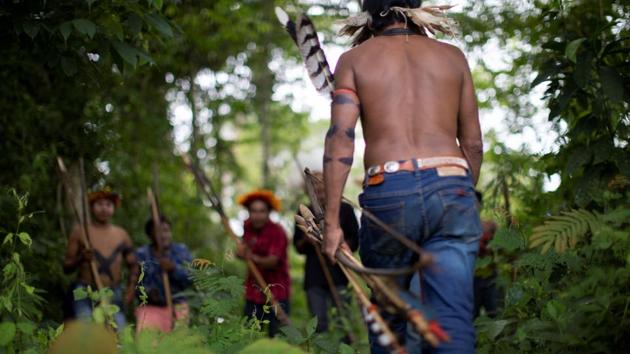
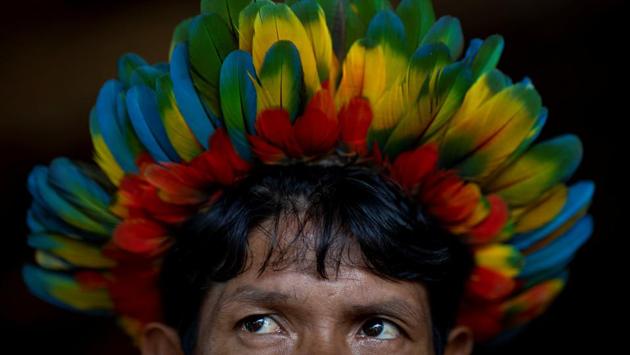
Chiefs and warriors painted their bodies, put on headdresses of macaw fathers and performed a war dance. They wrote a letter pleading for government protection, warning they would resort to their bows and arrows if forced to. “We need this land and its forest trees standing to survive as a people,” Tangae Uru-eu-wau-wau, a village leader, told Reuters. Weeks later, no one has been punished. (Ueslei Marcelino / REUTERS)
9/11
 View Photos in a new improved layout
Updated on Mar 04, 2019 1:29 PM
Cows at the border between farms and the Uru-eu-wau-wau Reservation. Conflicts with illegal miners and loggers have intensified in the Amazon region states of Pará and Maranhão, FUNAI said. With law enforcement stretched thin, some tribes have formed armed militias to protect their lands. Court fights are brewing too. Brazil’s 1988 Constitution guarantees tribes rights to their ancestral lands. (Ueslei Marcelino / REUTERS)
10/11
 View Photos in a new improved layout
Updated on Mar 04, 2019 1:29 PM
Bolsonaro’s plan to assimilate Brazil’s indigenous people is a reversal of federal policy protecting their habitat, languages and customs, according to Cleber Buzzatto, the executive secretary of CIMI, the advocacy group. He fears the changes could lead to ethnocide. Ethnographer Sydney Possuelo, a leading authority on isolated tribes, is worried too. (Ueslei Marcelino / REUTERS)
11/11
 View Photos in a new improved layout
Updated on Mar 04, 2019 1:29 PM