
 E-Paper



Photos: Guatemala towns turn into cemeteries under Fuego’s volcanic carnage
Guatemalan authorities reacted slowly to signs of Volcan de Fuego’s impending eruption only to witness it go off on June 3, contributing to one of the most tragic natural disasters in recent Guatemalan history. A week later, the previously lush, green landscape flanking the volcano is coated in thick layers of sepia ash, lending the region the eerie feeling of a ghost town. The hamlets stand deserted, homes left at a moment’s notice. Many who stayed are buried under layers of ash. Where there was life, only heat, dust and the smell of sulfur linger.
Updated on: Jun 13, 2018 1:32 PM IST

Share via


Copy link

1/12
 View Photos in a new improved layout
Updated on Jun 13, 2018 1:32 PM
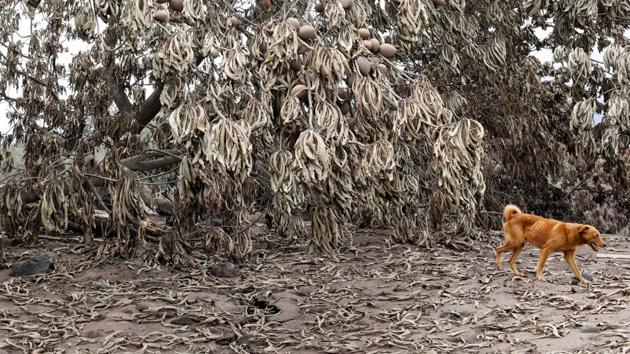
There was no time to eat. Sunday family lunches were interrupted, food left on the table. Children abandoned toys, and clothes still hung on lines in backyards. Animals died petrified as Guatemala’s Fuego volcano rumbled to life early last week. By midday, it was spewing ash in smoking columns miles high that then fell, dusting a wide swathe of the country. (Carlos Jasso / REUTERS)
2/12
 View Photos in a new improved layout
Updated on Jun 13, 2018 1:32 PM
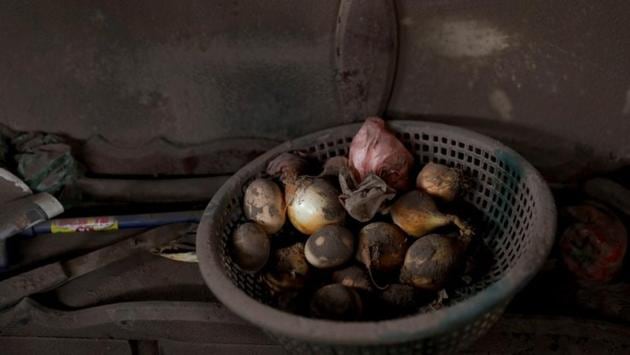
Onions sit drying at a house affected by the eruption at San Miguel Los Lotes in Escuintla. Guatemalan authorities reacted slowly to signs of Fuego’s impending eruption on June 3, contributing to one of the most tragic natural disasters in recent Guatemalan history. (Carlos Jasso / REUTERS)
3/12
 View Photos in a new improved layout
Updated on Jun 13, 2018 1:32 PM
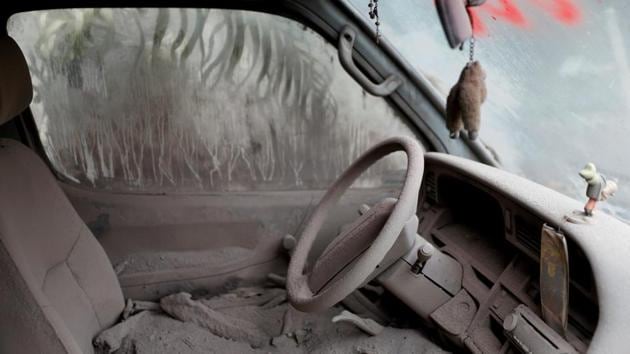
With the mountain’s first rumbles and the ash showers that followed, many villagers made what turned out to be fatal bets to stay put, gambling on luck that had protected them for decades. (Carlos Jasso / REUTERS)
4/12
 View Photos in a new improved layout
Updated on Jun 13, 2018 1:32 PM
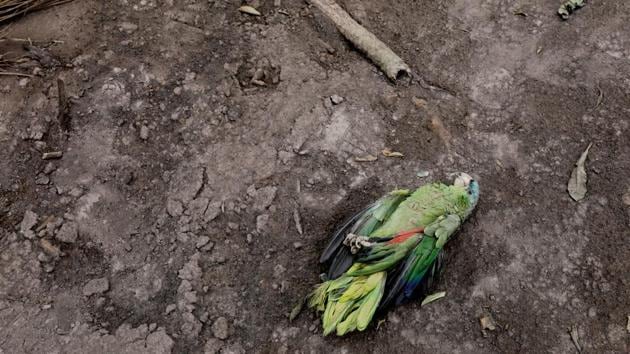
A dead parakeet is seen outside a house affected by the eruption. In the afternoon things took a turn for the worse. Tons of ash propelled by scalding, toxic gases poured down Fuego’s flanks. These “pyroclastic flows” hit much faster, at more lethal speeds than lava, dragging trees and giant rocks onto villages in their path. (Carlos Jasso / REUTERS)
5/12
 View Photos in a new improved layout
Updated on Jun 13, 2018 1:32 PM
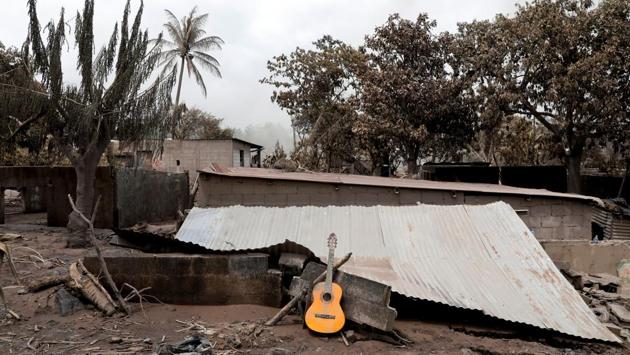
A guitar is seen on the roof of a damaged house. By the time most families in the worst-hit hamlets of El Rodeo and San Miguel de Los Lotes knew what was happening, they only had time to run, if that. (Carlos Jasso / REUTERS)
6/12
 View Photos in a new improved layout
Updated on Jun 13, 2018 1:32 PM
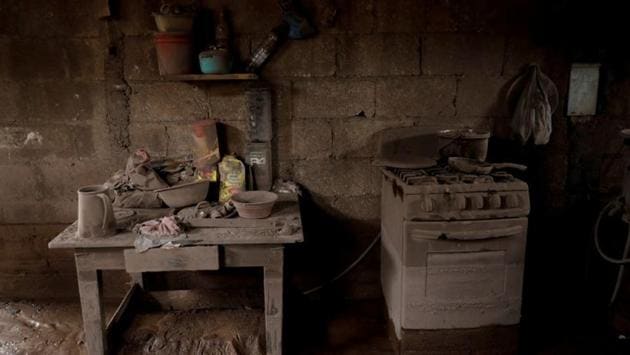
The kitchen of a house is seen covered in ash. “My family was having lunch, they left the plates of food and stopped eating and fled,” said Pedro Gomez, a 45-year-old welder. “They took nothing but the clothes on their backs.” (Carlos Jasso / REUTERS)
7/12
 View Photos in a new improved layout
Updated on Jun 13, 2018 1:32 PM
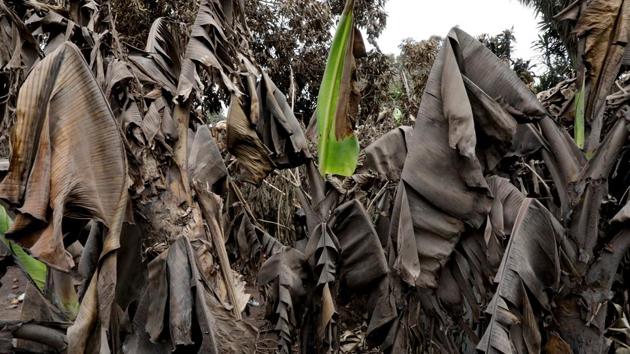
Others with still less time ran through bushes and leaped across barbed wire and wooden fences to reach the main road of the town of Escuintla, near Los Lotes. (Carlos Jasso / REUTERS)
8/12
 View Photos in a new improved layout
Updated on Jun 13, 2018 1:32 PM
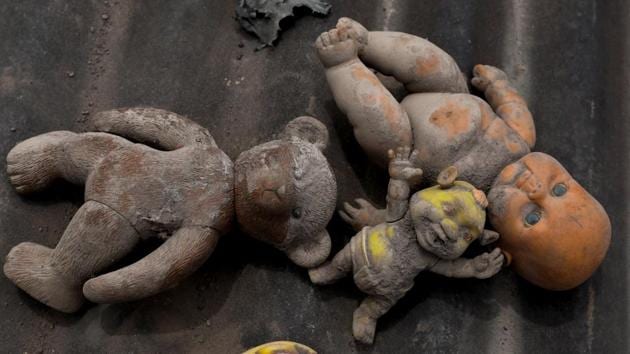
Now, everything in the previously lush, green landscape is coated in thick layers of sepia volcanic ash, giving the deserted hamlets an eerie feeling. Where once there was life, there is heat, dust and the lingering smell of sulphur. (Carlos Jasso / REUTERS)
9/12
 View Photos in a new improved layout
Updated on Jun 13, 2018 1:32 PM
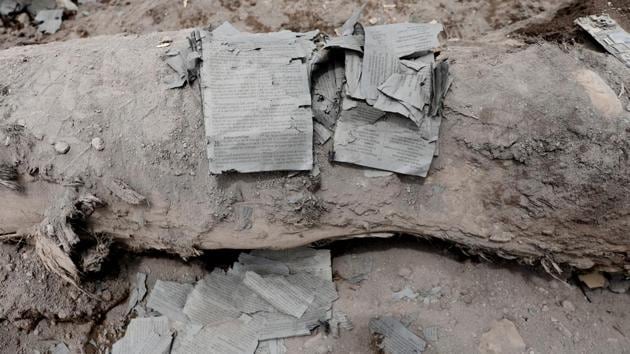
In one home, a Bible unbound sits with its pages singed. Outside, dead cattle and a bass drum lie abandoned. In the kitchen, food in pots ready to be served. At least 110 people have died and close to 200 are thought buried under the rubble in San Miguel Los Lotes on the fertile lower slopes of the volcano. (Carlos Jasso / REUTERS)
10/12
 View Photos in a new improved layout
Updated on Jun 13, 2018 1:32 PM
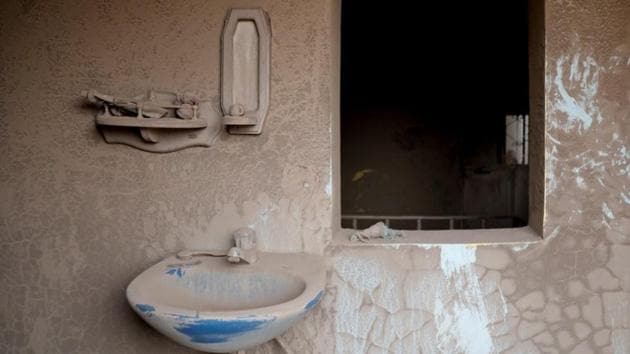
A bathroom covered in ash is seen inside a house affected by the eruption. As the burning volcanic matter rushed closer, some escaped on foot, others by car. “I took out the pickup truck and escaped with a lot of neighbours when we saw the smoke,” said Alejandro Velasquez, 46, a farmer. (Carlos Jasso / REUTERS)
11/12
 View Photos in a new improved layout
Updated on Jun 13, 2018 1:32 PM
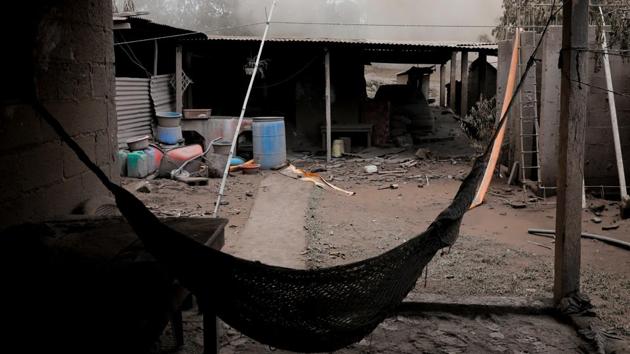
Rescuers searching for bodies walked on the roofs of houses as if they were floors, digging down into buildings where they found only corpses of those who stayed behind. Only a few dogs, chickens, rabbits and cats survived. (Carlos Jasso / REUTERS)
12/12
 View Photos in a new improved layout
Updated on Jun 13, 2018 1:32 PM