
 E-Paper



Photos: Hawaii pot growers refuse to let go despite lava streams
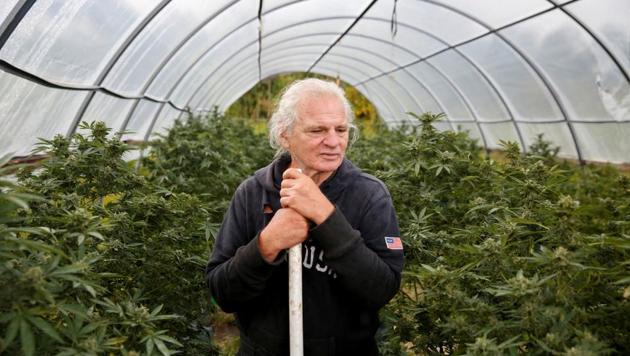
The last remaining residents on Hawaii’s Halekamahina Hill have been completely cut off from the rest of Big Island by two roiling streams of lava from the still erupting Kilauea volcano. Spouting from ground fissures and flowing into the sea, the lava creates clouds of ‘laze’ making breathing difficult, but the a few residents are still staying put. Their reason –greenhouses flush with medical marijuana waiting to be harvested and estimated at $100,000. Enough to make the dangerous decision worthwhile, at least until food runs out.
Updated on: Jun 18, 2018 2:35 PM IST

Share via


Copy link

1/9
 View Photos in a new improved layout
Updated on Jun 18, 2018 2:35 PM
Dale Altman, 66, and his grandson Josh Doran live on a 5-acre plot atop a hill on Hawaii’s Big Island by the erupting Kilauea volcano, where they grow medical marijuana. They are the last remaining residents on Halekamahina Hill, after two roiling streams of lava spouting from ground fissures and flowing into the sea, completely cut off the community. (Terray Sylvester / REUTERS)
2/9
 View Photos in a new improved layout
Updated on Jun 18, 2018 2:35 PM
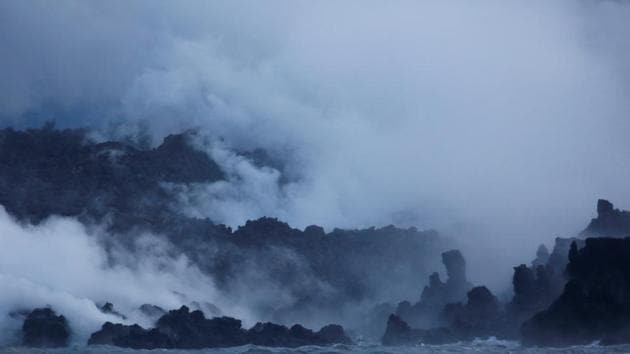
Clouds of ‘laze’, composed of steam, acid and volcanic glass, rise from lava flowing into the Pacific Ocean. Altman estimated they have $100,000 worth of marijuana in the field that they are harvesting. “That’s why we didn’t leave. It’s taken a lot of work.” He said he doesn’t want leave behind his home and marijuana crop with no income and nowhere to live. (Terray Sylvester / REUTERS)
3/9
 View Photos in a new improved layout
Updated on Jun 18, 2018 2:35 PM
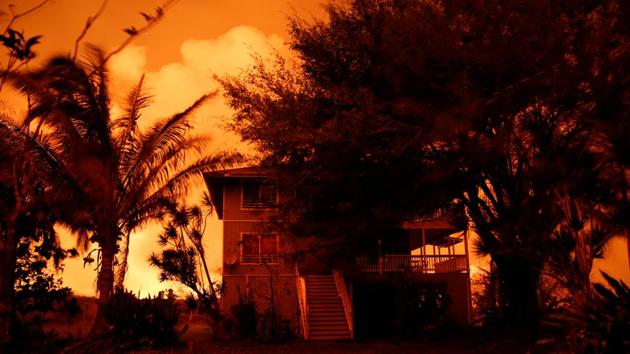
Lava illuminates an evacuated house on the outskirts of Pahoa. And atop the hill, the house is safe from the lava flows and its attendant fires. “We’re not stupid. We thought this out,” Altman said. (Terray Sylvester / REUTERS)
4/9
 View Photos in a new improved layout
Updated on Jun 18, 2018 2:35 PM
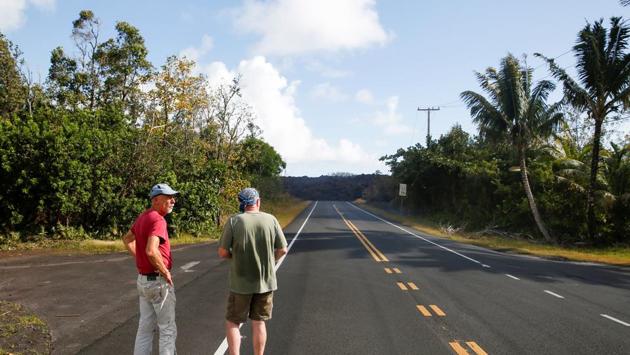
Since it began erupting on May 3, Kilauea has destroyed more than 600 homes, spread lava over 5,900 acres and opened up at least 22 fissures sending fountains of lava up to 150 feet high. This now desolated piece of paradise once drew retirees and adventurers to come live under the shadow of one of the world’s most active volcanoes. (Terray Sylvester / REUTERS)
5/9
 View Photos in a new improved layout
Updated on Jun 18, 2018 2:35 PM
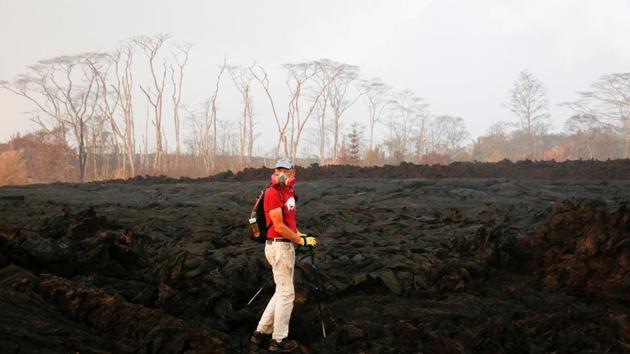
Mark Clawson, 64, attempts to walk to his home on the outskirts of Pahoa across hardened flows of lava. Clawson had evacuated when the lava flows began cutting off land access to homes. He was returning to check on his home and belongings. (Terray Sylvester / REUTERS)
6/9
 View Photos in a new improved layout
Updated on Jun 18, 2018 2:35 PM
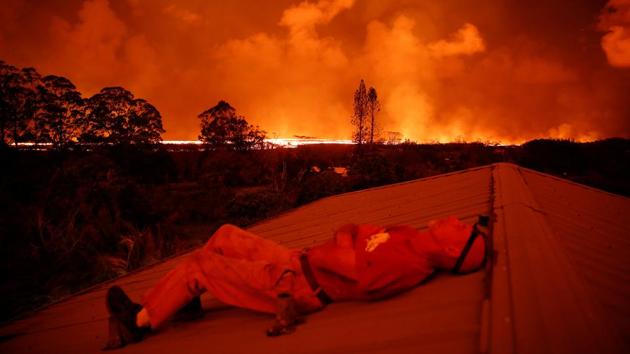
Mark Clawson rests on a neighbour's roof. The sky glows red from lava in the distance. The air, heavy with sulfurous “vog” pollution leaves residents with scratchy throats. Clawson said he had been living his dream in Hawaii. He had built his home from scratch. Revisiting it however, was an “exercise in futility.” (Terray Sylvester / REUTERS)
7/9
 View Photos in a new improved layout
Updated on Jun 18, 2018 2:35 PM
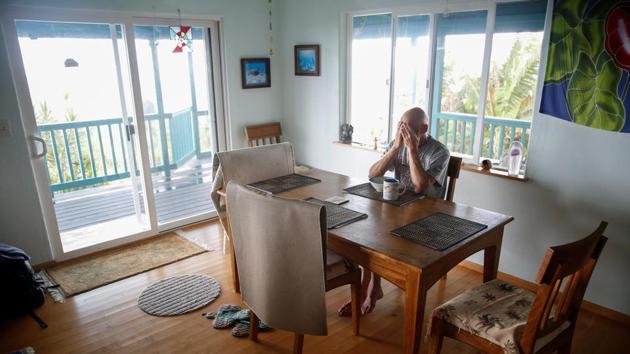
Mark Clawson, 64, rubs his eyes with exhaustion before evacuating his house on the outskirts of Pahoa, just days prior. His house is fine, but is now inaccessible. “It’s surreal. I guess I just have to convince myself that I will come back, convince myself that this is going to last,” he said, gesturing toward his house. But he already has plans to move to Oregon. (Terray Sylvester / REUTERS)
8/9
 View Photos in a new improved layout
Updated on Jun 18, 2018 2:35 PM
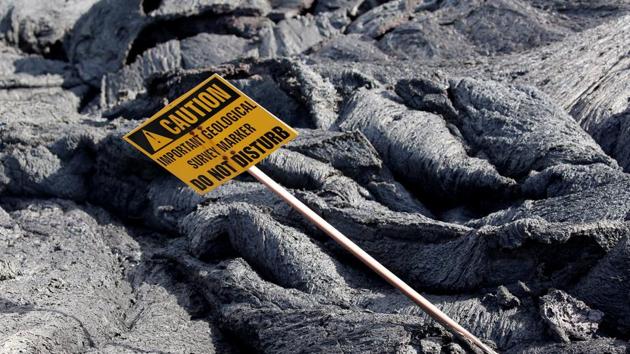
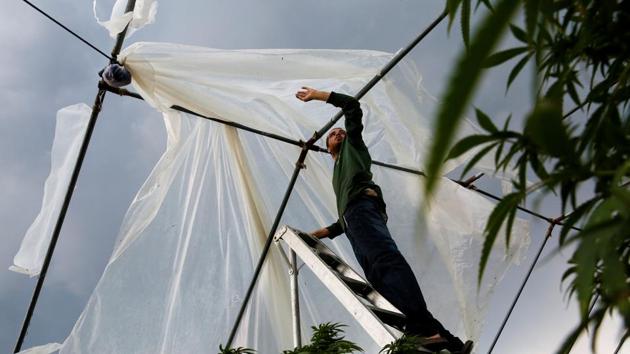
A 'Caution' sign stands in a lava flow on the outskirts of Pahoa. Halekamahina Hill, and its couple of dozen farmlets are now surrounded on three sides by lava, including one bright, churning, molten flow. The eruptions seemed to influence the weather. Fierce hot winds blew between the houses, rattling ripped sheet metal and torn up greenhouses. (Terray Sylvester / REUTERS)
9/9
 View Photos in a new improved layout
Updated on Jun 18, 2018 2:35 PM