
 E-Paper



Photos: Hunters turn conservationists in Central Africa’s wild
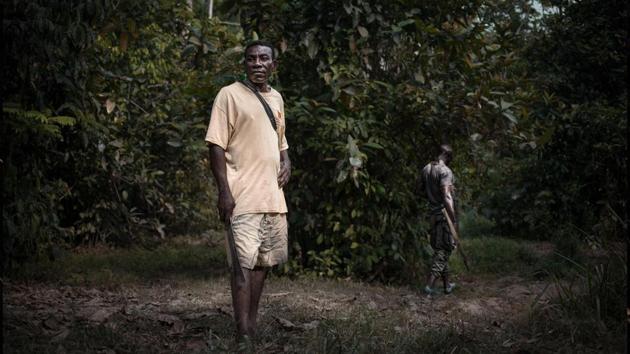
In the heart of the Dzanga-Sangha wildlife reserve in western Central African Republic, a Pygmy ranger is looking for the tracks of a large female elephant he has been following for the last three hours. The elephant is not Pygmy ranger's prey, but rather the opposite. He is part of a force of local hunters who have trained to become rangers. Their mission: to protect the park's precious animals from ruthless poachers. Due to the increase in poaching amid an ongoing internal conflict, the number of large mammals in CAR has decreased by 94% in last three decades.
Updated on: Sep 01, 2019 4:29 PM IST

Share via


Copy link

1/9
 View Photos in a new improved layout
Updated on Sep 01, 2019 4:29 PM
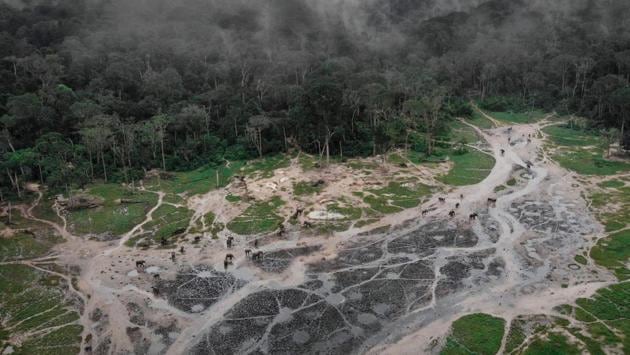
Wild elephants living in the salt marshes near Bayanga Equatorial Forest, part of the Dzanga Sangha Reserve, the last refuge of forest elephants and Central African gorillas, in south-western Central African Republic. Due to the increase in poaching amid an ongoing internal conflict, the number of large mammals in CAR has decreased by 94% in 30 years, according to a 2018 Ecofaune report. (Florent Vergnes / AFP)
2/9
 View Photos in a new improved layout
Updated on Sep 01, 2019 4:29 PM
A ranger moves deftly through the tangle of roots and branches before waiting for the rainforest to give him a clue. In the heart of the Dzanga-Sangha wildlife reserve, the Pygmy hunter is looking for the tracks of a large female elephant he has been following for the last three hours. (Florent Vergnes / AFP)
3/9
 View Photos in a new improved layout
Updated on Sep 01, 2019 4:29 PM
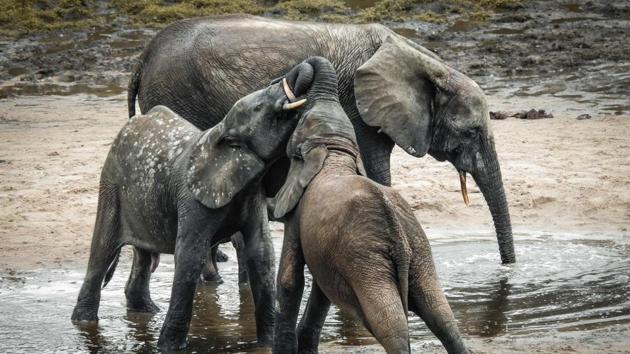
A wild forest elephant and calves bathe in the marshes of in Bayanga Equatorial Forest. The elephant is not the rangers prey, but rather the opposite. He is part of a force of local hunters who have trained to become rangers. Their mission: to protect the park’s precious animals from ruthless poachers. (Florent Vergnes / AFP)
4/9
 View Photos in a new improved layout
Updated on Sep 01, 2019 4:29 PM
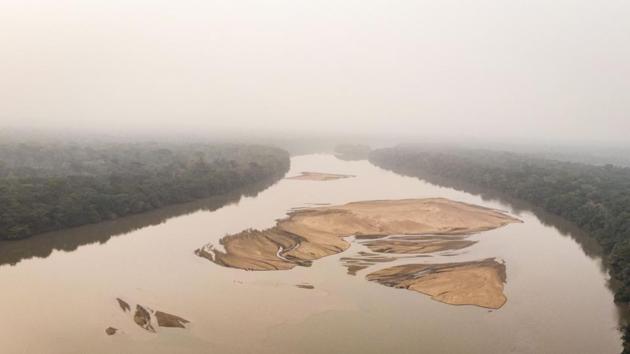
Lying on the flanks of the Sangha River, the 4,000-square-kilometre park, created in 1990, is the CAR’s last haven for elephants and Central African gorillas. Luis Arranz of the environment group WWF, which runs the park in partnership with the CAR government, is worried that this precious refuge will also fall one day. “It won’t last,” he predicts sadly. (Florent Vergnes / AFP)
5/9
 View Photos in a new improved layout
Updated on Sep 01, 2019 4:29 PM
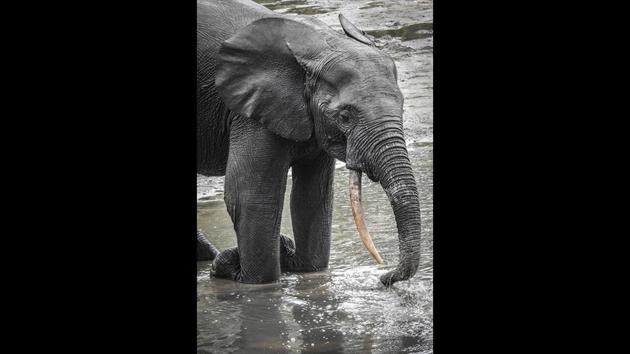
A wild forest elephant bathes in the marshes of Bayanga Equatorial Forest, Dzangha Sanga Reserve. He points to the potential booty for poachers from ivory tusks, giraffe skins, pangolin scales and gorilla meat. (Florent Vergnes / AFP)
6/9
 View Photos in a new improved layout
Updated on Sep 01, 2019 4:29 PM
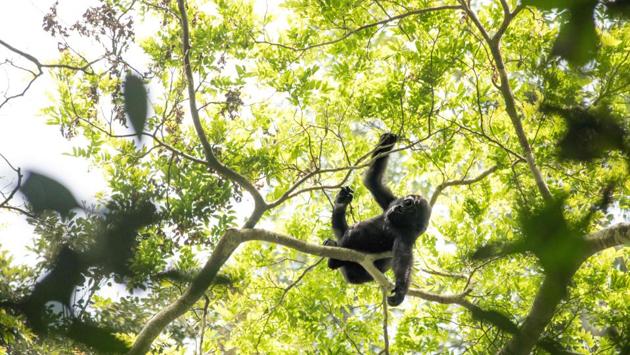
A wild baby gorilla plays in the branches of the forest. Scientists, with the help of the Pygmy rangers, are moving through the park to draw up an inventory of the major species. (Florent Vergnes / AFP)
7/9
 View Photos in a new improved layout
Updated on Sep 01, 2019 4:29 PM
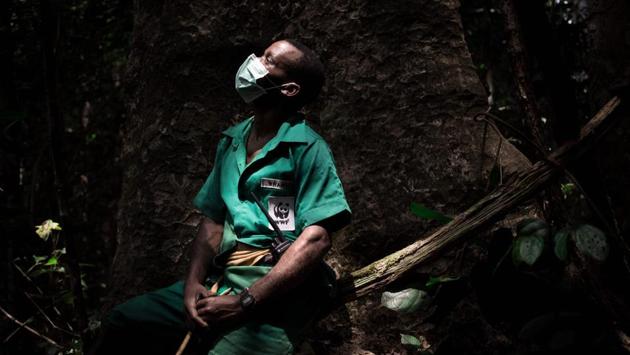
A team of rangers followed the trace of the female elephant to a large, swampy clearing, where about 100 elephants were gathered, rummaging for salt with the tip of their trunks. (Florent Vergnes / AFP)
8/9
 View Photos in a new improved layout
Updated on Sep 01, 2019 4:29 PM
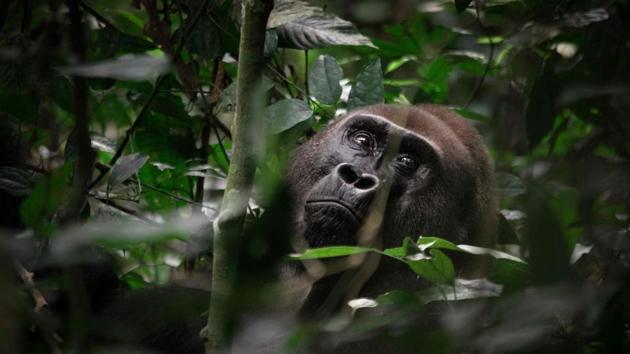
A wild gorilla feeds on fruit in the forest. Poor and chronically unstable, the CAR has been wracked by civil strife since 2013. Poaching -- facilitated by porous borders, negligible policing and voracious Asian demand -- has been the big benefactor. (Florent Vergnes / AFP)
9/9
 View Photos in a new improved layout
Updated on Sep 01, 2019 4:29 PM