
 E-Paper



Photos: Nepal quake paves way for lower emissions in polluting brick kilns
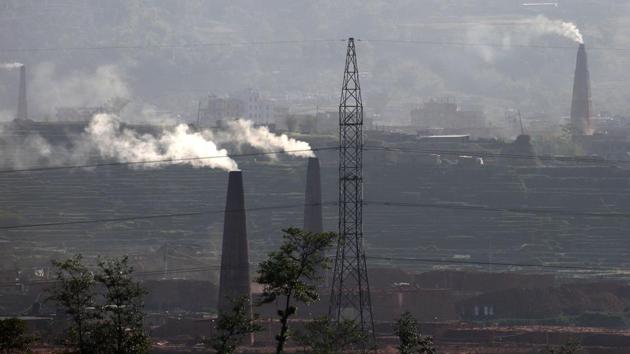
Nepal’s 2015 7.8 magnitude earthquake flattened nearly a third of the country’s brick kilns which employ about 200,000 people. But the need to rebuild presented an unexpected opportunity to environmentalists who had been trying to reduce the industry’s emissions and improve working conditions. While much remains to be done towards the latter, an environmental initiative addressing brick stacking patterns has already managed to reduce emissions and coal consumption in the factories with plans now looking to take the innovation elsewhere into South Asia.
Updated on: May 31, 2018 1:43 PM IST

Share via


Copy link

1/8
 View Photos in a new improved layout
Updated on May 31, 2018 1:43 PM
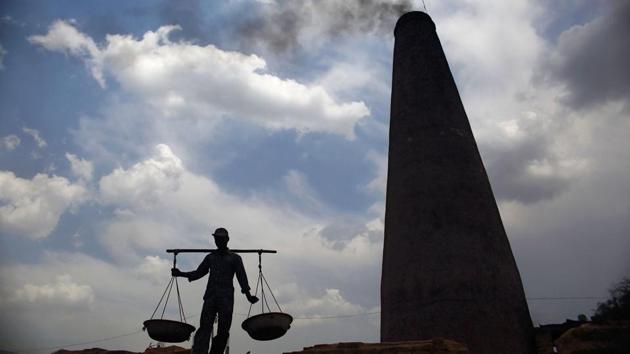
A worker carries coal to a kiln at a factory in Bhaktapur. Under skies darkened by thick black smoke, hundreds of thousands of brick kiln workers endure back-breaking labour, suffocating heat and archaic conditions across South Asia. But in Nepal, the need to rebuild after the devastating 2015 earthquake has presented an unexpected opportunity to decrease emissions, increase efficiency and make the kilns safer. (Gopen Rai / AFP)
2/8
 View Photos in a new improved layout
Updated on May 31, 2018 1:43 PM
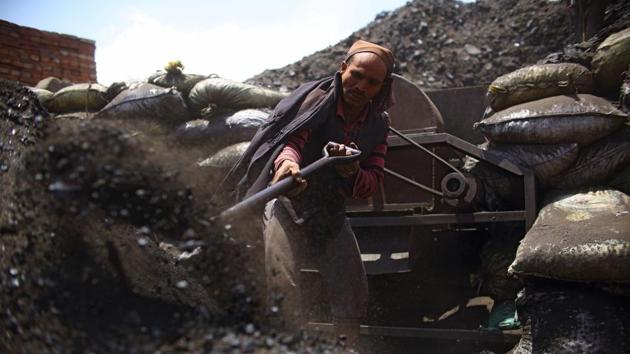
A worker shovels coal at a brick factory in Bhaktapur. There are more than 150,000 kilns in India, Bangladesh, Pakistan and Nepal, belching out thousands of tonnes of soot known as black carbon—a major air pollutant and the second largest contributor to global warming and changing weather patterns after carbon dioxide. South Asia has the highest such emissions in the world, according to a NASA study. (Gopen Rai / AFP)
3/8
 View Photos in a new improved layout
Updated on May 31, 2018 1:43 PM
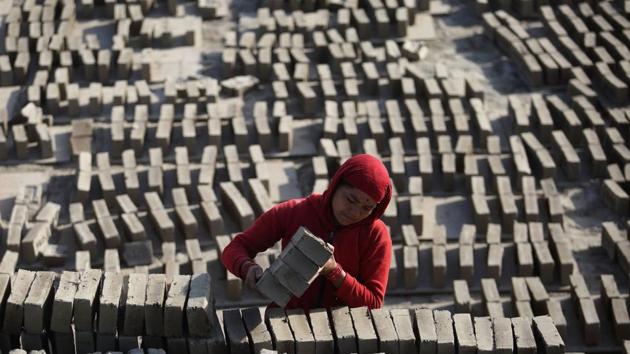
About a third of Nepal’s brick kilns were flattened by the 7.8-magnitude earthquake in 2015. But despite the scale of the tragedy, the devastation presented environmentalists a rare chance to clean up at least one part of this notoriously filthy industry. Although, brick kiln owners remain resistant to interference from labour rights groups, they saw potential profit in working with environmental campaigners. (Gopen Rai / AFP)
4/8
 View Photos in a new improved layout
Updated on May 31, 2018 1:43 PM
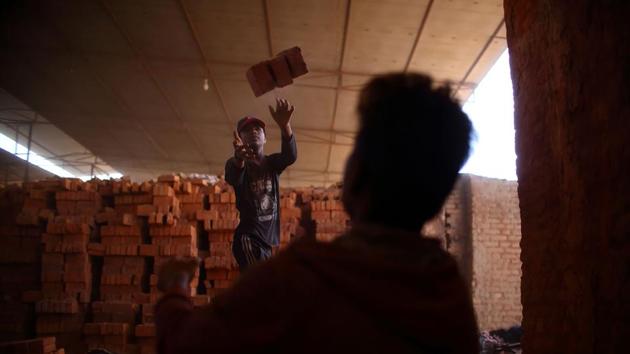
The Brick Kiln Initiative, launched by the International Centre for Integrated Mountain Development (ICIMOD), found a way to redesign the ovens and stack bricks differently. By stacking bricks inside kilns in a zig-zag pattern, heat snakes through the gaps more efficiently, ensuring coal is completely burned and less soot is produced. Emissions are cut by 60% and for kiln owners, coal consumption is nearly halved. (Gopen Rai / AFP)
5/8
 View Photos in a new improved layout
Updated on May 31, 2018 1:43 PM
Most of the 100 brick kilns in the Kathmandu valley have already adopted the new technology. The next step is to spread the technology into elsewhere into South Asia. “We had to rebuild, so we thought why not build a more scientific, environmentally friendly structure,” said kiln owner Raj Kumar Lakhemaru. “Now there is no black smoke. The bricks are better and I am spending a lot less on coal.” (Gopen Rai / AFP)
6/8
 View Photos in a new improved layout
Updated on May 31, 2018 1:43 PM
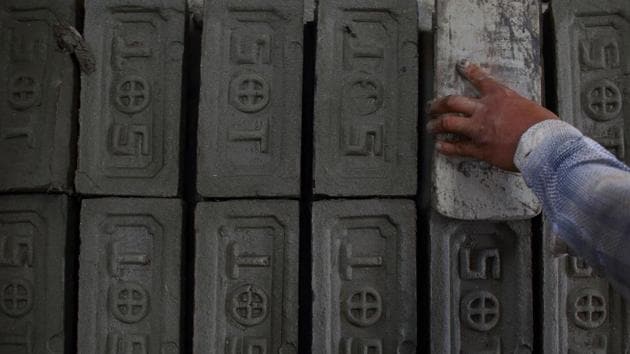
Environmental changes are positive but conditions for workers have not improved. Bonded labour traps them in spiralling debt. Sold between landlords debt starts with the sum they are bought for, growing as they borrow for food, medical care and even the bricks for their homes. (Gopen Rai / AFP)
7/8
 View Photos in a new improved layout
Updated on May 31, 2018 1:43 PM
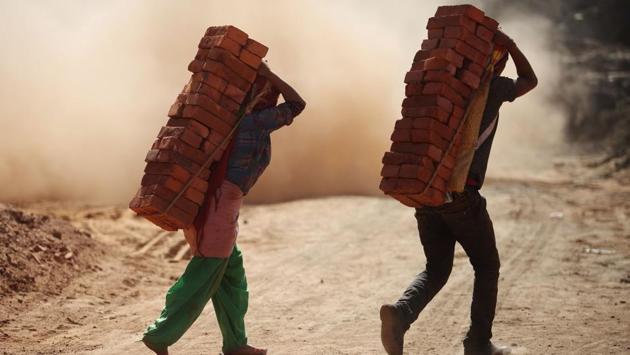
On the edge of Kathmandu, sweaty bare-footed workers hack away at the grey clay and haul heavy loads of bricks to and from cavernous kilns. Most live in shacks around the factories. As bonded labourers, the next generation is literally born into the industry with 16% of Nepal’s 200,000 kiln workers children according to Better Brick Nepal, which is campaigning for better conditions. (Gopen Rai / AFP)
8/8
 View Photos in a new improved layout
Updated on May 31, 2018 1:43 PM