
 E-Paper



Photos: Philippines gripped by dengue vaccine scare after immunisation deaths
Mosquito-borne dengue afflicts up to 100 million people worldwide, causing half a million life-threatening infections and killing about 20,000 people, mostly children, each year. Drug manufacturer Sanofi revealed in November that Dengvaxia - the world’s first dengue vaccine - might increase the risk of severe disease in people who had never been exposed to the virus. The news prompted uproar in the Philippines, where some 837,000 school-age children had been vaccinated in 2016. With 65 deaths since the vaccinations, blame and anti-vaccination opinion have only risen in the country.
Updated on: Apr 18, 2018 9:51 AM IST

Share via


Copy link

1/9
 View Photos in a new improved layout
Updated on Apr 18, 2018 9:51 AM
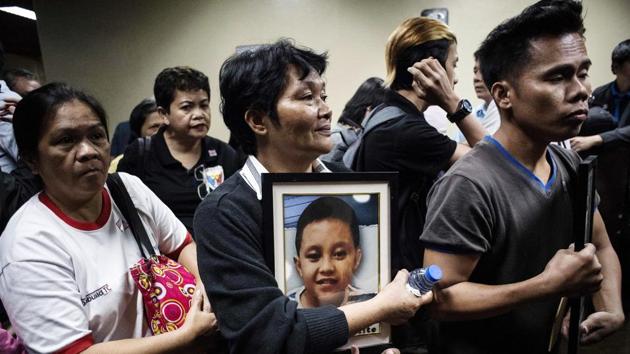
Melinda Colite (C) shook with rage, holding a picture of her grandson Zandro Colite, who she says died after getting injected with the anti-dengue fever vaccine Dengvaxia, during a Senate investigation about the vaccine in Manila. “It could not have been anything else. He started complaining of frequent body aches after his third injection,” Colite, 55, said of her 12-year-old grandson Zandro. (Noel Celis / AFP)
2/9
 View Photos in a new improved layout
Updated on Apr 18, 2018 9:51 AM
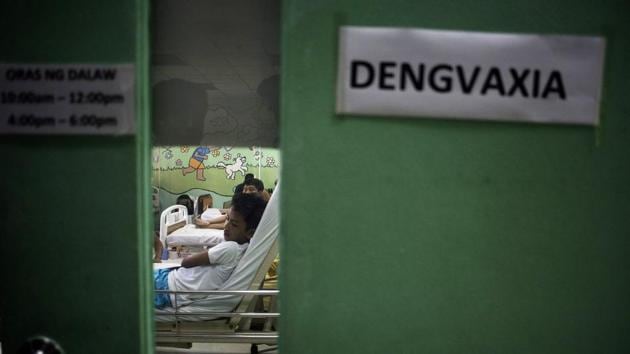
Patients who were injected with Dengvaxia, at a special ward at the Quirino Memorial Medical Center in Manila. While Dengvaxia’s maker Sanofi has said unequivocally that its world-first vaccine is safe, Philippine authorities disagree publicly over whether it could have contributed to children’s deaths. The resulting confusion has prompted a dangerous plunge in vaccination rates in the Philippines for other diseases. (Noel Celis / AFP)
3/9
 View Photos in a new improved layout
Updated on Apr 18, 2018 9:51 AM
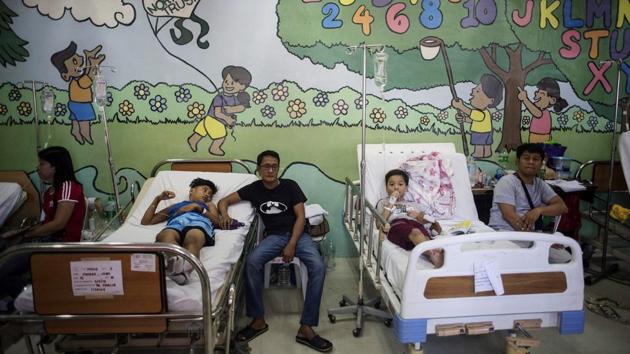
Health authorities have said child vaccination against illnesses like measles has dropped by as much as 25 percentage points over the previous year amid anger and mistrust. Several measles outbreaks have claimed at least 13 lives since the controversy began. It has also added to a swirling political battle, fanned by bloggers who back President Rodrigo Duterte and have an audience of millions on Facebook. (Noel Celis / AFP)
4/9
 View Photos in a new improved layout
Updated on Apr 18, 2018 9:51 AM
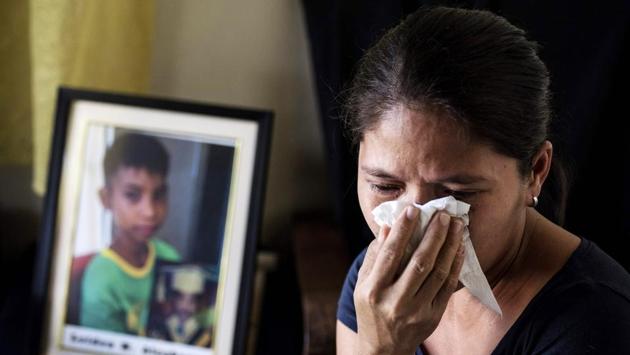
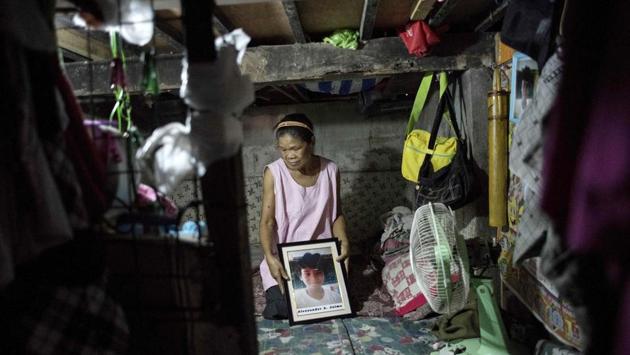
Lilia Alcabasa, the mother of Leiden Alcabasa, 12, believes her son’s death was directly related to his being injected with Dengvaxia. Ronald Mendoza, dean of the Ateneo de Manila University’s School of Government, told AFP that the blame game has taken over the main issue. “It may be doing damage to public health rather than protecting it.” (Noel Celis / AFP)
5/9
 View Photos in a new improved layout
Updated on Apr 18, 2018 9:51 AM
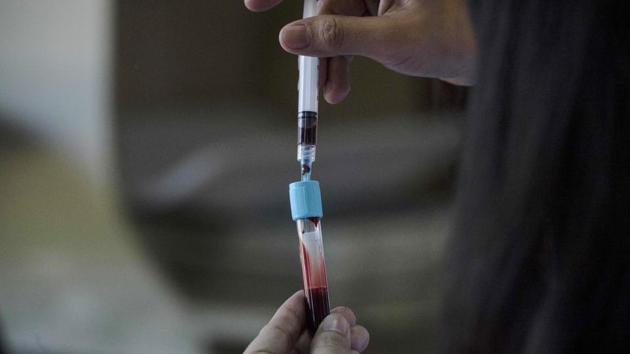
Trouble started last year, shortly after the Philippines gave Dengvaxia to some 837,000 students in an immunisation campaign. Sanofi first hailed the vaccine as a breakthrough, but set off a panic when in November it said a new analysis showed the vaccine could lead to more severe symptoms for people who had not previously been infected. (Noel Celis / AFP)
6/9
 View Photos in a new improved layout
Updated on Apr 18, 2018 9:51 AM
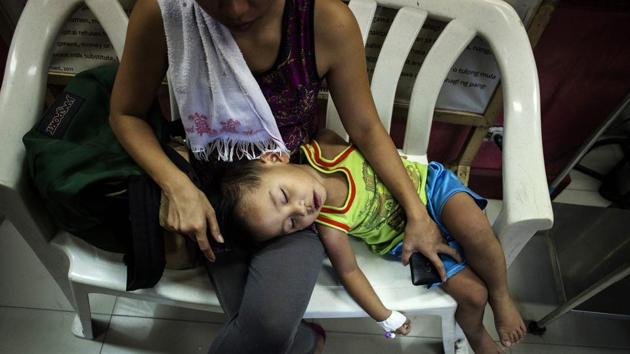
Kyle Valdez, 2, who has not been injected with Dengvaxia, with his at the Dengue/Dengvaxia Express Lane at a hospital in Manila. Sanofi has noted in March: “No causal-related deaths were reported in 15 countries after clinical trials conducted for more than a decade with 40,000 subjects involved.” But that hasn’t stopped allegations emerging of vaccinated children dying of super-charged cases of dengue after Dengvaxia. (Noel Celis / AFP)
7/9
 View Photos in a new improved layout
Updated on Apr 18, 2018 9:51 AM
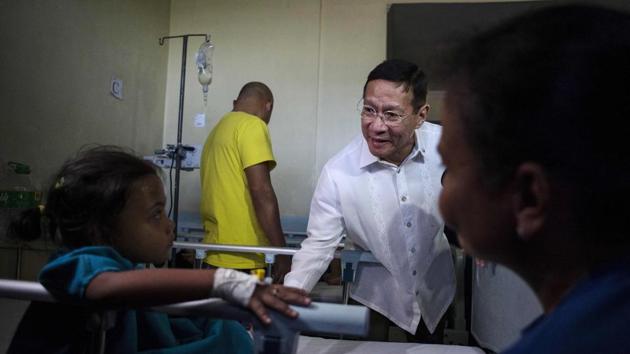
Philippines’ Department of Health Secretary Francisco Duque talks to a dengue patient who hasn’t taken the vaccine. As of last week 65 deaths have been reported, the health department says. Different branches of the government have disagree openly about the vaccine, adding to public confusion. “We cannot conclude at this point that Dengvaxia directly caused the deaths,” Duque told lawmakers in February. (Noel Celis / AFP)
8/9
 View Photos in a new improved layout
Updated on Apr 18, 2018 9:51 AM
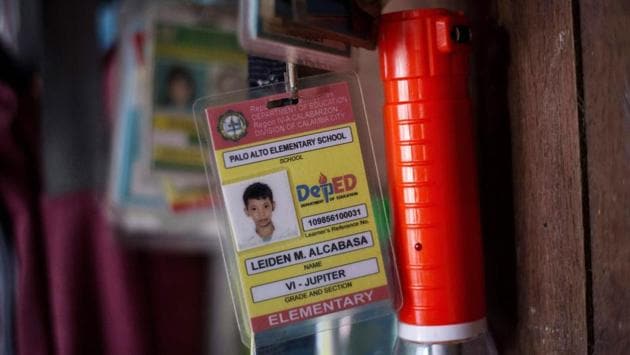
Certainty about the cause of death may remain clouded because post-mortem diagnosis of dengue can be tricky, relying on genetic material that degrades quickly after death. Supporters of Duterte have been eager to assign blame to his predecessor, Benigno Aquino, who authorized and launched the vaccinations. Well-known blogs have posted entries calling for Aquino to be jailed and questioned whether the vaccine is a “time bomb”. (Noel Celis / AFP)
9/9
 View Photos in a new improved layout
Updated on Apr 18, 2018 9:51 AM