
 E-Paper



Photos: Restored Buddha of Swat smiles signalling Taliban’s defeat
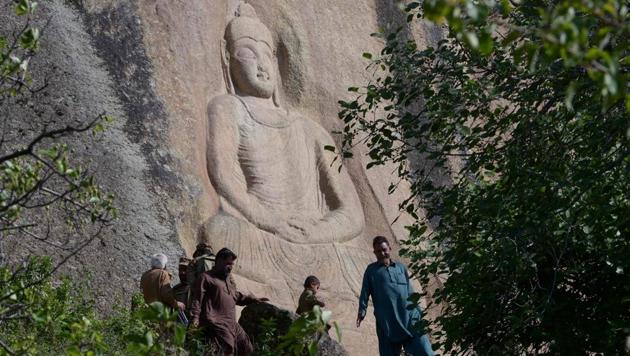
The iconic Buddha of Swat, carved on a cliff in the 7th century, has been restored to its almost original form with Italian assistance in northwestern Pakistan, nearly 11 years after it was dynamited by the Tehreek-e-Taliban Pakistan during their control over the area. Buddha seated in a meditative posture, which is considered one of the largest rock sculptures in South Asia, was attacked in September 2007 by the Taliban militants, who blew up half the statue's face by drilling holes into the face and shoulders and inserting explosives, triggering a worldwide anger.
Updated on: Jul 13, 2018 9:00 AM IST

Share via


Copy link

1/11
 View Photos in a new improved layout
Published on Jul 13, 2018 9:00 AM
Visitors walk past the seventh-century rock sculpture of a seated Buddha carved into a mountain in Jahanabad town in the northwestern Swat Valley of Pakistan. The Buddha of Swat was dynamited by the Pakistani Taliban in 2007. Now it has been restored, a powerful symbol of tolerance in the traumatised Pakistani valley. (Abdul Majeed / AFP)
2/11
 View Photos in a new improved layout
Published on Jul 13, 2018 9:00 AM
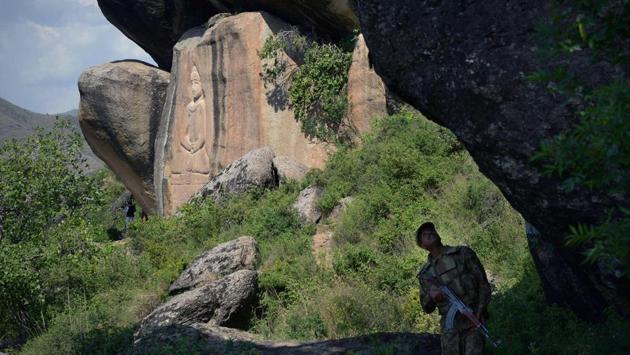
A Pakistani soldier looks up while walking past the Buddha of Swat. The holy figure, depicted in a lotus position at the base of a granite cliff in northern Pakistan, was severely damaged by Islamist insurgents in an echo of the Afghan Taliban’s complete destruction of its more imposing counterparts at Bamiyan in 2001. (Abdul Majeed / AFP)
3/11
 View Photos in a new improved layout
Published on Jul 13, 2018 9:00 AM
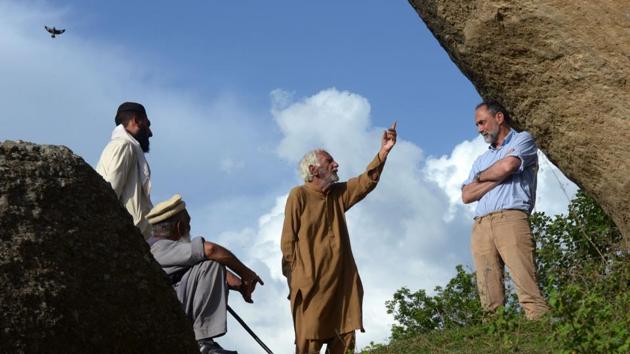
Italian archaeologist Luca Maria Olivieri (R) speaks with Pakistani historian Parvesh Shaheen (C) next to the Buddha. For some, it was a wanton act of vandalism that struck at the heart of the area’s unique history and identity. It felt “like they killed my father”, said Parvesh Shaheen, a 79-year-old expert on Buddhism in Swat. “They attack... my culture, my history.” (Abdul Majeed / AFP)
4/11
 View Photos in a new improved layout
Published on Jul 13, 2018 9:00 AM
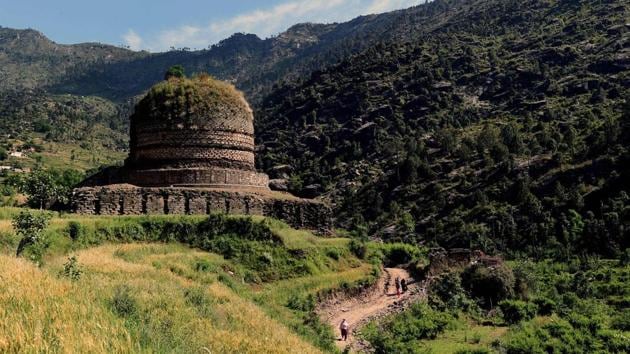
A centuries-old stupa, in the town of Amluk Dara near Mingora, the capital of the Swat Valley. The Italian government has been helping to preserve archaeological sites, working with local authorities who hope to turn it into a place of pilgrimage once more. A decade ago, militants climbed the six-metre effigy to lay the explosives, but only part of them were triggered, demolishing the top of the Buddha’s face. (Abdul Majeed / AFP)
5/11
 View Photos in a new improved layout
Published on Jul 13, 2018 9:00 AM
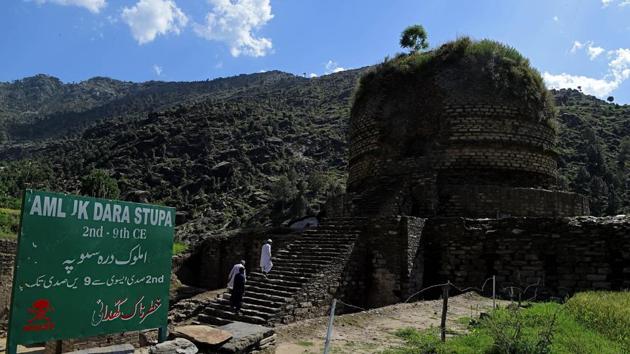
The population of Swat has not always been as it is today, mostly conservative Muslim. Instead, it was for centuries a pilgrimage site for the Buddhist faithful, especially from the Himalayas. The Vajrayana school even consider it a “holy land”, from where their faith originated. They continued to visit right up until the 20th century, when borders hardened in 1947. (Abdul Majeed / AFP)
6/11
 View Photos in a new improved layout
Published on Jul 13, 2018 9:00 AM
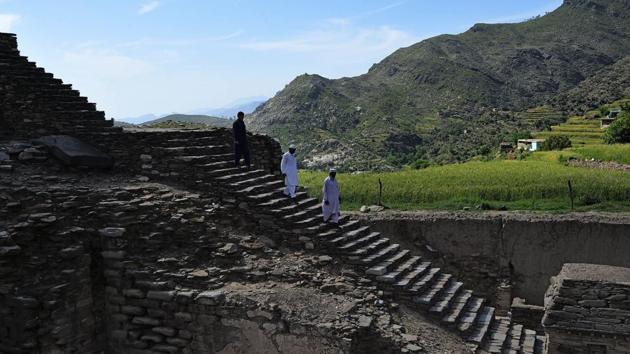
Visitors walk down stairs to see a centuries-old stupa. Buddhism for its part disappeared from the region around the 10th century AD, driven out by Islam and Hinduism. Its golden age in Swat lasted from the second to the fourth centuries, when more than 1,000 monasteries, sanctuaries and stupas spread out in constellations across the valley. (Abdul Majeed / AFP)
7/11
 View Photos in a new improved layout
Published on Jul 13, 2018 9:00 AM
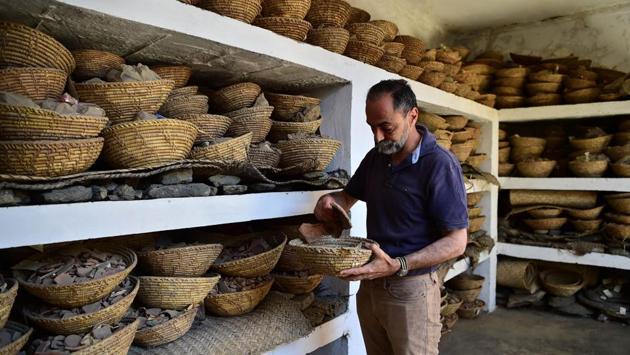
“The landscape was worshipped in itself,” said Luca Maria Olivieri (pictured), the Italian archaeologist who oversaw the restoration of the Buddha. “The pilgrims were welcomed by these protective images, sculptures and inscriptions, arranged along the last kilometres before arriving,” Olivieri explained. (Abdul Majeed / AFP)
8/11
 View Photos in a new improved layout
Published on Jul 13, 2018 9:00 AM
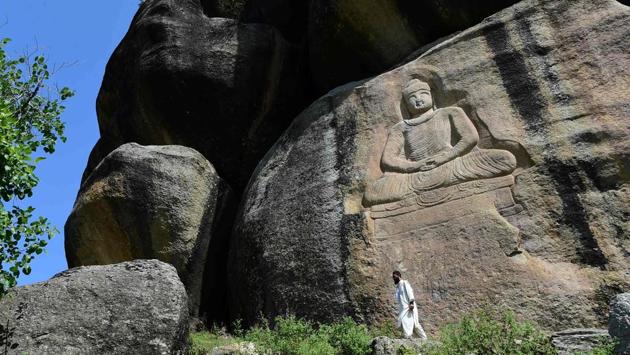
Rehabilitation was not easy. It began in 2012 with the application of a coating to protect the damaged part. The reconstruction of the face itself was first prepared virtually in 3D, using laser surveys and old photos. The last phase, the actual restoration, ended in 2016. Olivieri said the reconstruction is not identical, but that is deliberate, as “the idea of damage should remain visible”. (Abdul Majeed / AFP)
9/11
 View Photos in a new improved layout
Published on Jul 13, 2018 9:00 AM
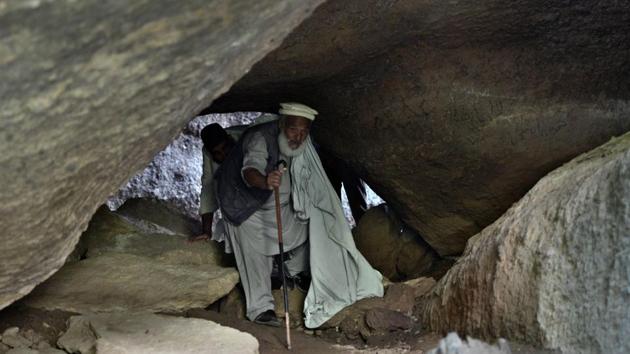
Historian Akhtar Munir leads local tourists at the site of the Buddha. For Shaheen, the statue is “a symbol of peace, symbol of love, symbol of brotherhood”. “We don’t hate anybody, any religion -- what is this nonsense to hate somebody?” he said. But other Swatis, less familiar with history and in 2007 not yet traumatised by the full brutality of the Taliban, had applauded the attack. (AFP)
10/11
 View Photos in a new improved layout
Published on Jul 13, 2018 9:00 AM
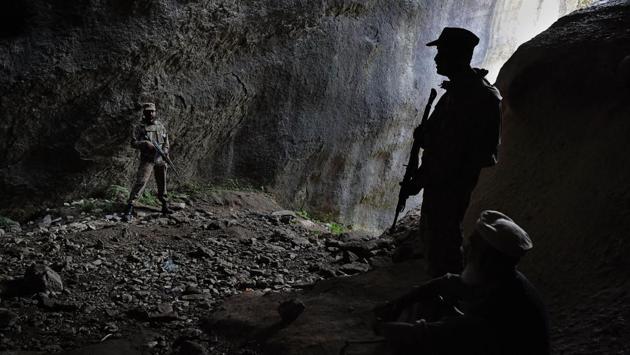
Now authorities are counting on the Buddha’s recovered smile and iconic status to boost religious tourism from places such as China and Thailand. Years after the Taliban were ousted, the valley is largely rejuvenated, though at times security is still tense, with an attack killing 11 soldiers in February this year. Some in Swat also see the Buddha as a tool for promoting religious tolerance. (Abdul Majeed / AFP)
11/11
 View Photos in a new improved layout
Published on Jul 13, 2018 9:00 AM