
 E-Paper



Photos: Human-crocodile conflict in Maharashtra’s Sangli
The recent death of a 12-year-old boy in Maharashtra’s Sangli district by a crocodile has brought the focus back on the crocodile population in Krishna river that poses a threat to the villagers living along it. Locals have been asked to avoid entering the river. The villagers have devised their own ways of keeping themselves safe. Now, the fishing community along the river fishes only at night, and women wash clothes only in groups.
Updated on: May 22, 2019 8:35 PM IST

Share via


Copy link

1/10
 View Photos in a new improved layout
Updated on May 22, 2019 8:35 PM
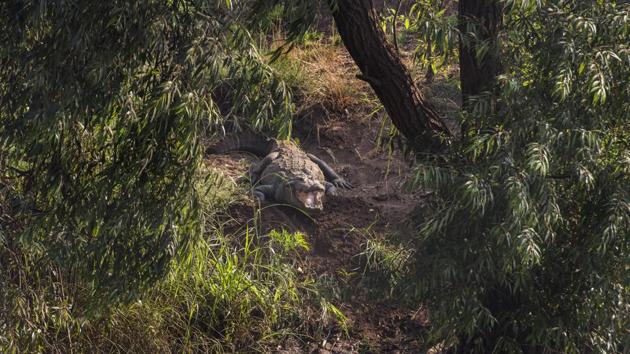
A marsh crocodile seen along Krishna river in Sangli, Maharashtra. Few days ago, 12-year-old Akash Maruti Jadhav was dragged into the river by an eight-foot-long crocodile when he accompanied his mother and sister to wash clothes along the banks of the river. This was the first crocodile death reported this year in Maharashtra. With the conflict since 2016 and the recent incident, the authorities have asked the villagers to be vigilant. (Anshuman Poyrekar / HT Photo)
2/10
 View Photos in a new improved layout
Updated on May 22, 2019 8:35 PM
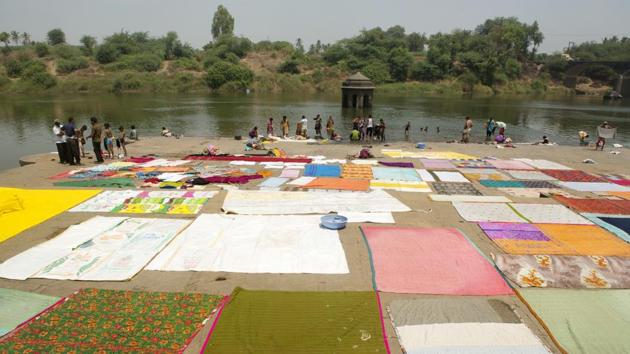
The three-km stretch of river Krishna, which covers six villages in Sangli district, has 65 crocodiles. Worried about their safety, residents of Bhilewadi never visit this ghat alone, ensuring they are in a group of 10-12. (Anshuman Poyrekar / HT Photo)
3/10
 View Photos in a new improved layout
Updated on May 22, 2019 8:35 PM
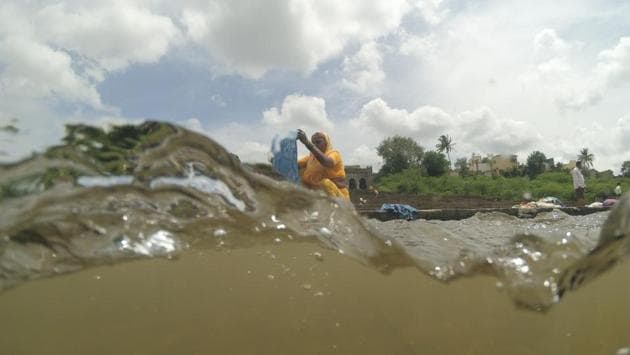
Marsh crocodiles or muggers are freshwater reptiles abundantly found in Maharashtra. Males are 12 to 15-ft long, while females are smaller. On sensing any threat to their habitat, they can attack or kill swiftly and dash much faster than estuarine crocodiles. The attacks have been happening since the 1990s, but the number has risen significantly over the past five years, said Manoj Koli, range forest officer, Sangli. (Anshuman Poyrekar / HT Photo)
4/10
 View Photos in a new improved layout
Updated on May 22, 2019 8:35 PM
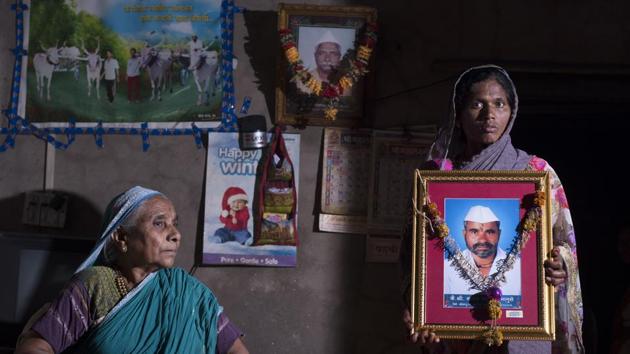
Gangubai Bhanuse (L) looks on as Rekha Bhanuse poses with a picture of her husband Sanjay Bhanuse who died in crocodile attack in Tung village, Sangli. “Locals have been asked to avoid entering the river, if they spot a crocodile with three kilometers of the site. The death of the 12-year-old boy is a grim reminder of the conflict. As the crocodile mating season is on, we need to be extra careful,” said Abhijeet Chaudhari, collector and district magistrate, Sangli. (Anshuman Poyrekar / HT Photo)
5/10
 View Photos in a new improved layout
Updated on May 22, 2019 8:35 PM
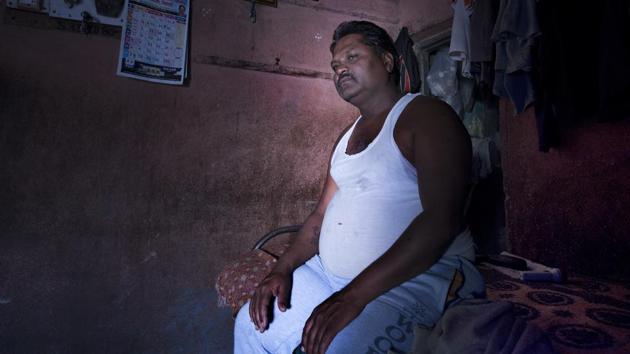
Shahaji Yadav, a farmer from Chopdewadi village in Palus tehsil of Sangli district lost his 14-year-old son Ajay Yadav on April 20, 2015. Shahji claims at least 25-30 adult crocodile were there at that time, and more than 40 adult size must be there now. (Anshuman Poyrekar / HT Photo)
6/10
 View Photos in a new improved layout
Updated on May 22, 2019 8:35 PM
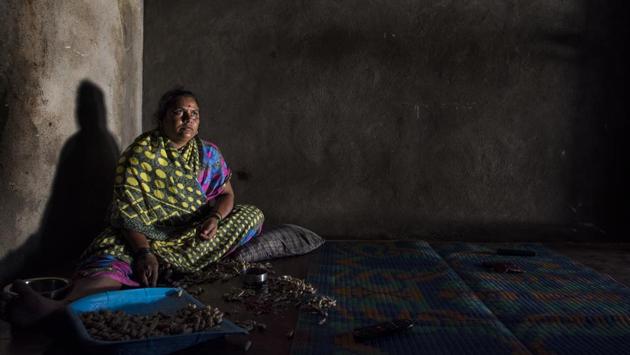
47 year-old Kalpana Jalindar Kadam, whose hand was bitten off by a crocodile near Sukhwadi village last year, is wary every time she hears any movement in the river. “I was washing utensils when the incident took place. Luckily, I reacted quickly and saved my life,” she said. (Anshuman Poyrekar / HT Photo)
7/10
 View Photos in a new improved layout
Updated on May 22, 2019 8:35 PM
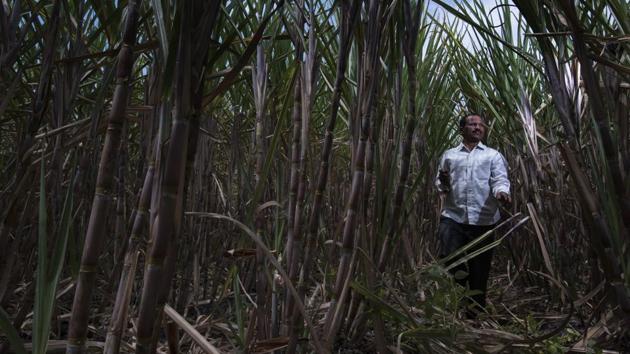
Babasaheb Desai, a 48-year-old farmer from Sukhwadi village, has survived the crocodile attack himself. “Attacks take place between March and June every year, as it is the mating season. They are protective about their habitat and lay eggs on the banks of the river,” he said. “We have stationed forest labourers across every village to warn locals and raise an alarm about impending attacks,” Koli further added. (Anshuman Poyrekar / HT Photo)
8/10
 View Photos in a new improved layout
Updated on May 22, 2019 8:35 PM
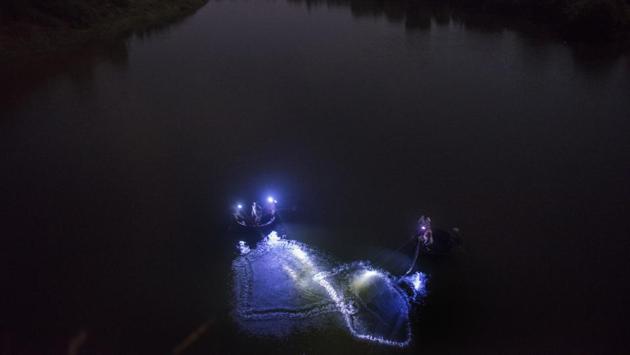
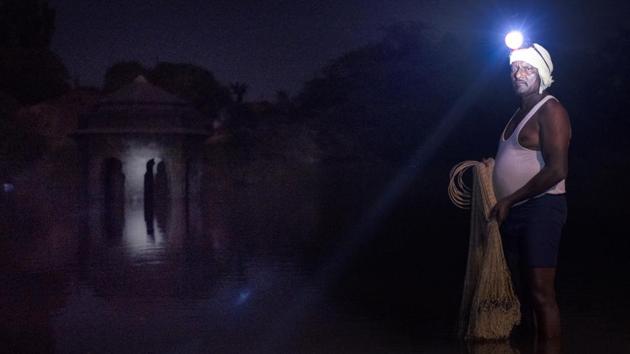
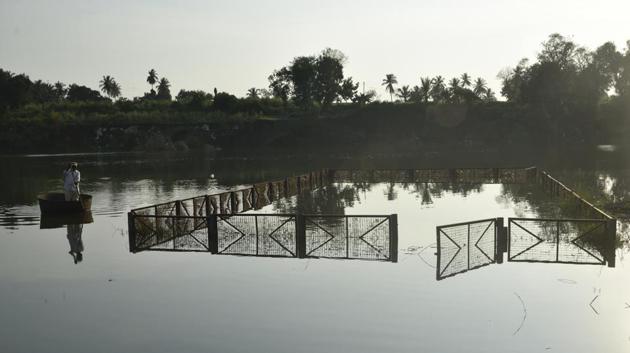
After the warning, the fishing community along the river fishes only at night, using high-intensity lights and large circular boats aligned with metal at the base. (Anshuman Poyrekar / HT Photo)
9/10
 View Photos in a new improved layout
Updated on May 22, 2019 8:35 PM
“Since 2008, six of my relatives have been attacked and I lost an uncle to a crocodile attack in 2016,” said Tanaji Bhoi, Sukhwadi village leader. “Now, we strap on bright lights to our heads while fishing at night. The crocodiles are blinded by these bright lights and can’t overturn our circular metal based boats. The forest department has not been able to mitigate the conflict apart from basic awareness drives,” said Bhoi. (Anshuman Poyrekar / HT Photo)
10/10
 View Photos in a new improved layout
Updated on May 22, 2019 8:35 PM