
 E-Paper



Photos: With a new Egyptian capital rising, what awaits Cairo?
A new Egyptian capital is being built on 170,000 acres about 28 miles east of Cairo, but what will become of Cairo, a city of 20 million people that combines charm and squalor? Cairo may soon witness an exodus by some of its well-heeled residents, state employees and foreign embassies to the new capital 28 miles to the east. The new capital -- a proper name has yet to be found -- is the $45 billion brainchild of general-turned-president Abdel-Fattah el-Sissi, the biggest of the mega-projects he launched since taking office in 2014.
Updated on: Nov 21, 2018 4:56 PM IST

Share via


Copy link

1/12
 View Photos in a new improved layout
Updated on Nov 21, 2018 4:56 PM
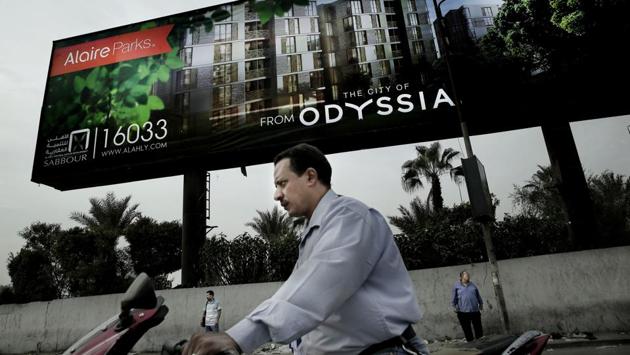
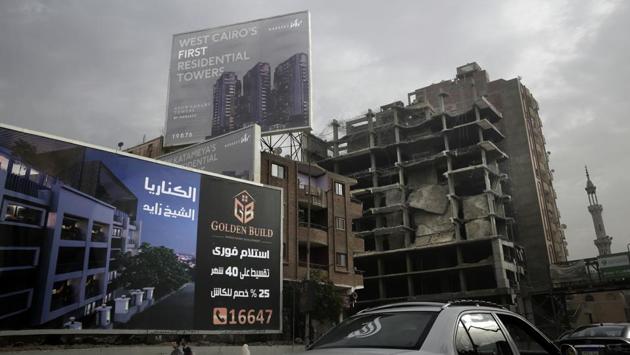
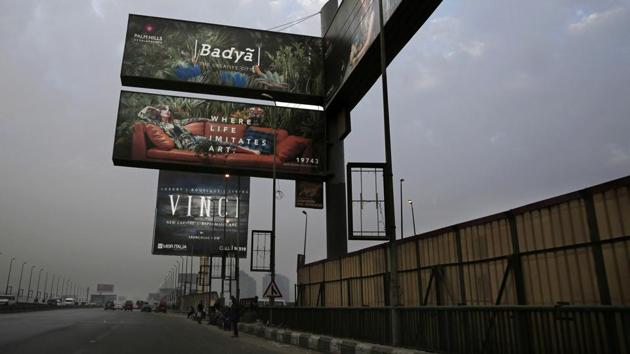
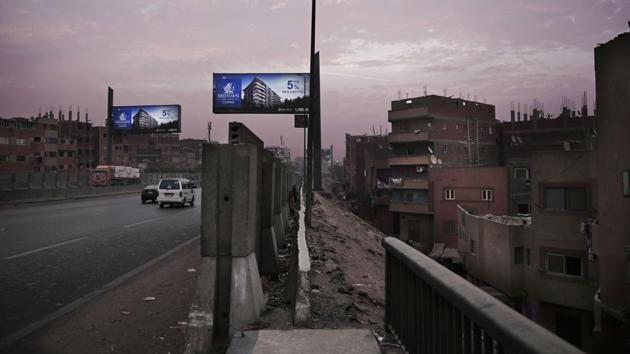
A man rides his motorbike as others wait for a bus under a billboard promoting new residential housing, in Cairo, Egypt. Billboards across Cairo advertise luxury homes with “breathtaking” views and names like “La Verde” or “Vinci” in Egypt’s new capital that is under construction in the desert, miles from the Nile-side city which has been the seat of power for more than 1,000 years. (Nariman El-Mofty / AP)
2/12
 View Photos in a new improved layout
Updated on Nov 21, 2018 4:56 PM
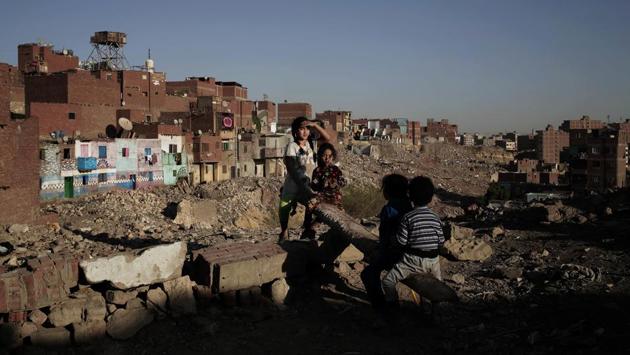
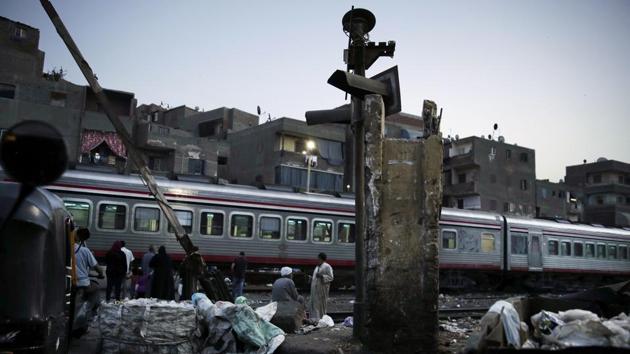
Children play on a make shift see-saw made out of a tree trunk in slum area Ezbet Khairallah, Cairo. Often, what lies behind the billboards are Cairo’s most overcrowded neighbourhoods, with shoddily built homes and dirt roads frequently inundated with sewage water. (Nariman El-Mofty / AP)
3/12
 View Photos in a new improved layout
Updated on Nov 21, 2018 4:56 PM
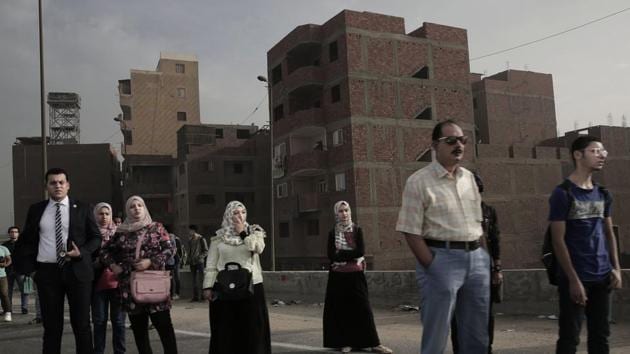
A city of 20 million people that combines charm and squalor, Cairo may soon witness an exodus by some of its well-heeled residents, state employees and foreign embassies to the New Administrative Capital, as the project in the desert is provisionally known. The government argues that Cairo is already bursting at the seams and will grow to 40 million by 2050. (Nariman El-Mofty / AP)
4/12
 View Photos in a new improved layout
Updated on Nov 21, 2018 4:56 PM
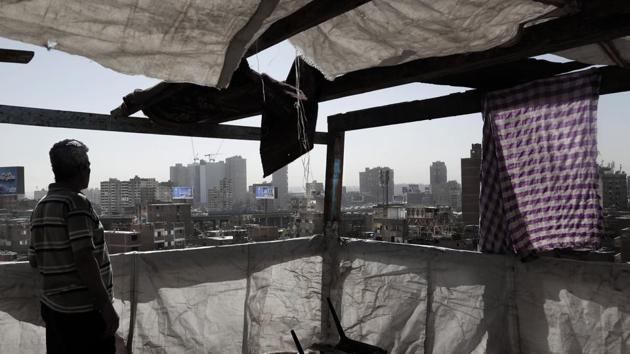
The new capital is the $45 billion brainchild of general-turned-president Abdel-Fattah el-Sissi, his biggest mega-project since taking office in 2014. Ranging from new roads and housing complexes to a Suez Canal expansion, he contends they attract investors and jobs. Senior officials boastfully compare what has been built under el-Sissi to monuments like the Giza Pyramids. (Nariman El-Mofty / AP)
5/12
 View Photos in a new improved layout
Updated on Nov 21, 2018 4:56 PM
Critics call the new capital a vanity project, arguing its cost could have rebuilt the wrecked economy and refurbished Cairo. They also see it as evidence of el-Sissi’s authoritarianism, launching a multibillion-dollar plan with little debate. He often says Egypt’s resources are limited — leading some, struggling amid skyrocketing prices, to wonder why so much is spent on questionable projects. (Nariman El-Mofty / AP)
6/12
 View Photos in a new improved layout
Updated on Nov 21, 2018 4:56 PM
“There is something very wrong with the order of priorities,” said political analyst Hassan Nafaa. “Maybe el-Sissi wants to go down in history as the leader who built the new capital, but if Egyptians don’t see an improvement in their living conditions and services, he will be remembered as the president who destroyed what is left of the middle class.” (Nariman El-Mofty / AP)
7/12
 View Photos in a new improved layout
Updated on Nov 21, 2018 4:56 PM
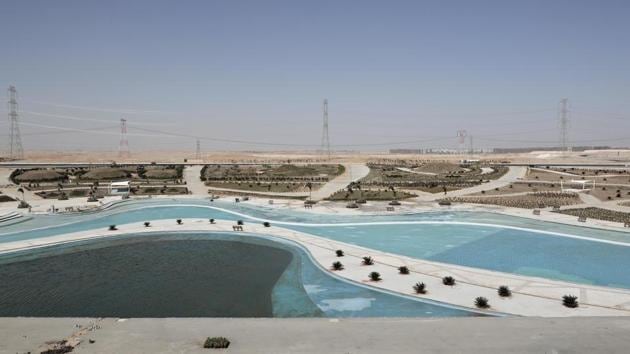
The central park under construction. The new city is being built on 170,000 acres east of Cairo and nearly twice its size. Construction began in 2016, and the first of its forecast 6.5 million residents are scheduled to move in next year. It will house the presidency, parliament and ministries. Planners promise a 21-mile-long public park, an airport, opera house, sports complex and 20 skyscrapers, including Africa’s highest. (Nariman El-Mofty / AP)
8/12
 View Photos in a new improved layout
Updated on Nov 21, 2018 4:56 PM
Prime Minister Mustafa Madbouly, also the housing minister, denies the new city will only attract the well-off, saying it is “for all Egyptians.” Prices tell a different story. The smallest apartment there — 120 square meters — is expected to cost 1.3 million Egyptian pounds ($73,000), out of reach for a mid-level bureaucrat, who may make the equivalent of about $4,800 a year. (Nariman El-Mofty / AP)
9/12
 View Photos in a new improved layout
Updated on Nov 21, 2018 4:56 PM
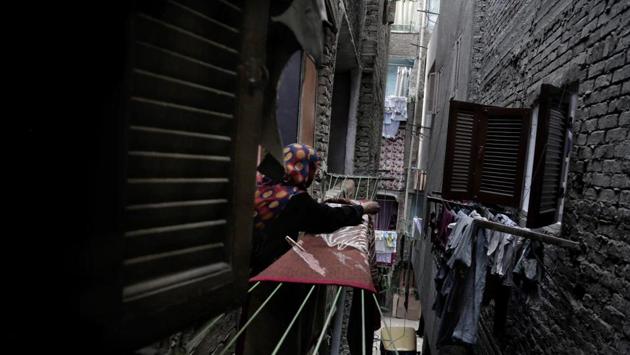
Ironically, the new capital could one day be overwhelmed by the old, as illegal construction expands. That has often been the way with Cairo, the rich moving out, only to move again as the city adds layer after layer. “Throughout the history of Cairo, the ruling elite and the rich have failed to completely isolate themselves from the rest of the population,” said novelist Hamdy Abu Golayyel. (Nariman El-Mofty / AP)
10/12
 View Photos in a new improved layout
Updated on Nov 21, 2018 4:56 PM
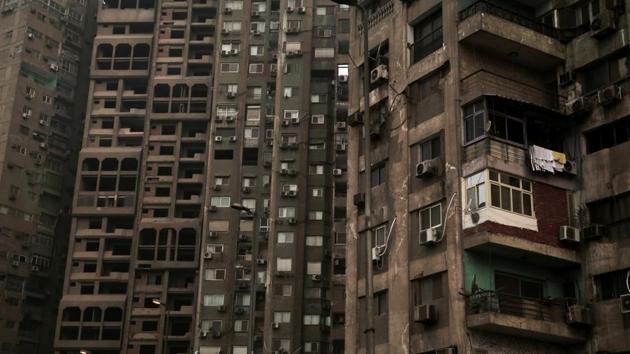
No one knows how Cairo will be impacted by a new capital and the shift of the seat of power for the first time since the 7th Century. Many government buildings in Cairo, for example, are palaces and mansions confiscated by the socialists in the 1950s and 1960s. In theory, they could be turned into museums or hotels, proponents argue. (Nariman El-Mofty / AP)
11/12
 View Photos in a new improved layout
Updated on Nov 21, 2018 4:56 PM
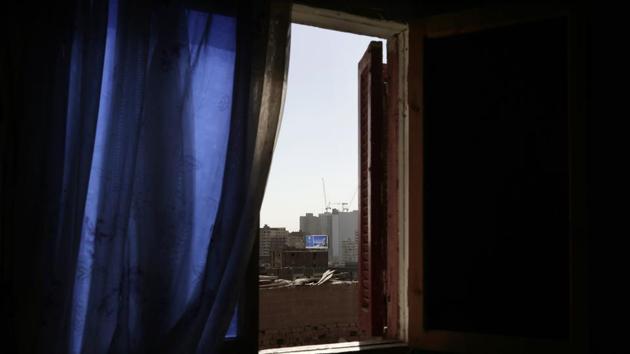
A window in a Cairo slum shows a billboard advertising a gated suburban compound. The government is renovating some of Cairo’s illegally built neighbourhoods. But in one case, it razed a run-down district and moved out residents after compensating them to make way for a high-end district. Amar Ali Hassan, a sociopolitical expert, believes Cairo could be left to die a slow death. (Nariman El-Mofty / AP)
12/12
 View Photos in a new improved layout
Updated on Nov 21, 2018 4:56 PM