
 E-Paper



Calculate your carbon footprint on climatecollectivepune.org, says Amitav Mallik, founder and trustee, Pune international centre
So far, we have conducted multiple brainstorming sessions and have decided on two things, strategies for advocacy with local teachers and officer bearers; and working towards making Pune carbon neutral by 2030


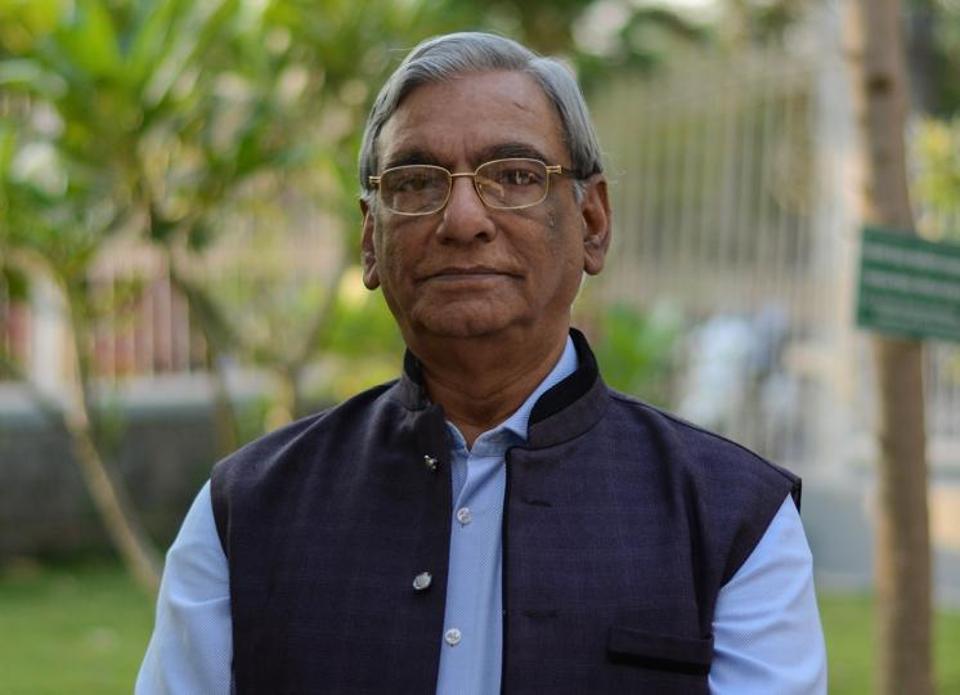
Amitav Mallik, founder and trustee, Pune international centre (PIC), and convenor, Climate Collective, Pune, in conversation with Prachi Bari regarding Pune’s carbon emissions.
How did climate collective Pune (CCP) begin?
In May 2018, Pune international centre (PIC) held a round-table on climate literacy, where scientist Raghunath Mashelkar inaugurated the communicating climate change awareness programme. The programme was attended by multiple non-governmental organisations (NGOs), from which Climate Collective evolved.
What significant impact has the collective made till date?
So far, we have conducted multiple brainstorming sessions and have decided on two things, strategies for advocacy with local teachers and officer bearers; and working towards making Pune carbon neutral by 2030.
What steps do you plan on undertaking to achieve these goals?
Besides creating awareness, the best way to connect to people is through students. We have gotten in touch with schools and colleges as a part of our outreach programme, to sensitise students. We have also developed a website climatecollectivepune.org and incorporated the carbon footprint calculator for individuals and households. The purpose of this is to create awareness and to see how much an individual can help in reducing the carbon footprint.
Has there been a significant change since the launch of the collective?
This initiative is only 10-months old and visible change will only take place over years, however, the carbon footprint calculator has created a lot of enthusiasm at the individual levels.
What was the purpose behind conducting the seminar on Monday?
This seminar was held to connect people from academic backgrounds in environment studies with local municipal officials like Mangesh Dighe, environment officer and Mahesh Harhare, chief resilience officer; besides environmental activists, in order to ideate and create an action plan to work on reducing carbon emissions of the city.