
 E-Paper



By the way | Sweet smell of roses, and the stink of apathy
What has a helicopter got to do with roses? Ask the civic authorities of Chandigarh. Maybe the 1,600 rose varieties in the 30-acre garden have a combined fragrance so strong that it can only be felt when you are hovering over the garden at a height of several metres. I won’t know as I couldn’t spend Rs 3,500 for a seven-minute ride. I’m not as fancy as the idea, you see.


What has a helicopter got to do with roses? Ask the civic authorities of Chandigarh. Maybe the 1,600 rose varieties in the 30-acre garden have a combined fragrance so strong that it can only be felt when you are hovering over the garden at a height of several metres. I won’t know as I couldn’t spend Rs 3,500 for a seven-minute ride. I’m not as fancy as the idea, you see.
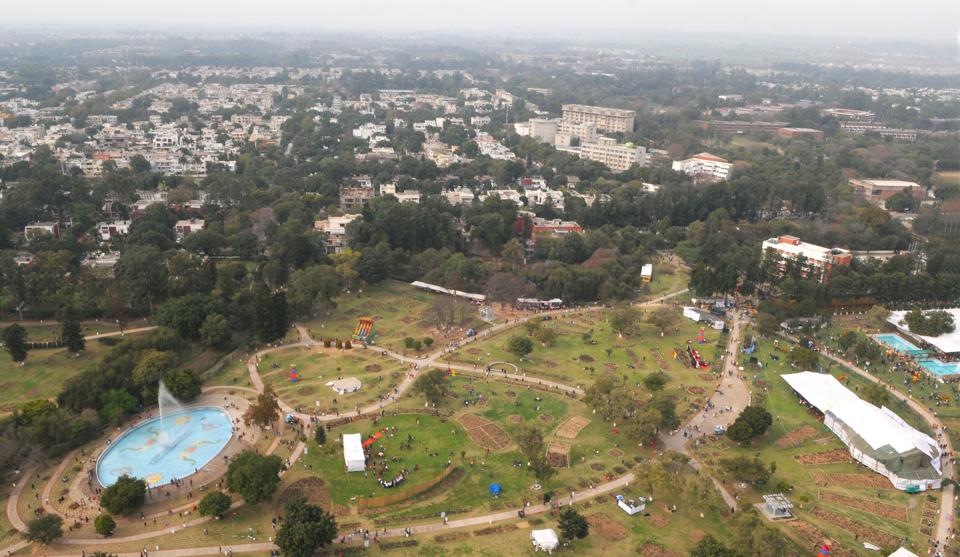
On Mother Earth, though, a city resident has gone to court. No, not because he did not like the chopper ride. I’m not even sure if he took it. RD Anand is evidently more concerned about what’s on the ground.
He has filed a plea that highlights the poor state of the garden in Sector 16 after the three-day annual Rose Fest got over on February 19. And the Punjab and Haryana high court has asked the Chandigarh administration to respond by March 8.
Anand wants the HC to restrain the administration from holding activities that mar the beauty of the place. Even last year, just as this year, the administration “insensitively” permitted stalls of eatables and other commodities, thus “making it a huge flea market”. He has referred to news reports that underlined how the garden was littered.
“The festival seemed to be hijacked by private interests of the individuals looking to make a quick buck... No criteria seem to have been applied in setting up kiosks and no responsibility of any business personnel was fixed for taking care of the littering, etc, which was left behind after the festival,” he has submitted, arguing that it was the responsibility of the administration to use the places for what they’ve been built for.
The news from the air is not good either. The private firm that was allotted the contract of the chopper ride has said it suffered a loss of about Rs 4 lakh. It garnered Rs 21.77 lakh from the 107 shuttles on three days, and ended up paying Rs 21 lakh further to a company from which the two choppers were hired. Add to that, the taxes, hotel bills of pilots and money to crew members, and the losses could go up to Rs 5 lakh, or more. But the company says it’s happy to have become the “pioneer in starting the chopper ride in the city”.
The pioneering effort aside, the whole affair stinks of the same mix-up of priorities that’s been a hallmark of Chandigarh’s administrative methods for years. Be it the removal of roundabouts — leading, evidently, to jams much longer than before — or the relaying of perfectly good roads in the northern sectors while papering over the potholes in the south, the brainwaves seem to not really come from the brains, or even the heart.
Let’s go back a couple of years. What could explain the action, and resultant mayhem, in Sector 17 in the summer of 2015 when one section of showrooms was targeted for violating age-old norms? Untrained workers broke windowpanes and display boards as if it was target practice. In many cases, the ill-mannered teams destroyed property that was within norms too. And, to make it worse, such was the preparedness of the administration that it could not make available drawings of what it really wanted done. A beleaguered heart that was struggling to beat anyhow was left with gaping holes. Now, the reported plan is to review many of those restrictions, and even allow some paint in parts on the exposed-concrete facade that Le Corbusier had imposed.
A school in Hallomajra, meanwhile, continues to run from a temporary structure, awaiting a building for years now. But, you know, you can always put up bamboo blinds to hide that mess, as was done when our Prime Minister and France’s president visited City Beautiful!
The stench from the garbage piled up next to that school in Hallomjara is similar to the stench of elitism that pervades the administrative offices of this prized capital of two states. And our rulers are immune to both.
It is quite simple, actually. Rather than come up with flights of fancy such as the chopper, why not have your ear to the ground? To be fair, that must be hard from all the way up there.
(aarish.chhabra@hindustantimes.com)
(Twitter: aarishc)
