
 E-Paper



NASA discovers potentially habitable 'super-Earth' 137 Light-Years Away
The planet, TOI-715 b revolves around its parent star in the conservative habitable zone. Its parent star is a red dwarf, which is smaller than the Sun.

 Prefer HTon Google


In a groundbreaking discovery, scientists at NASA have found a 'super-Earth,' a planet that could potentially support life. This planet, called TOI-715 b is 137 light-years away from us and is about one and a half times as wide as Earth. It revolves around its parent star in the conservative habitable zone, which could "give the planet the right temperature for liquid water to form on its surface." reported NASA.
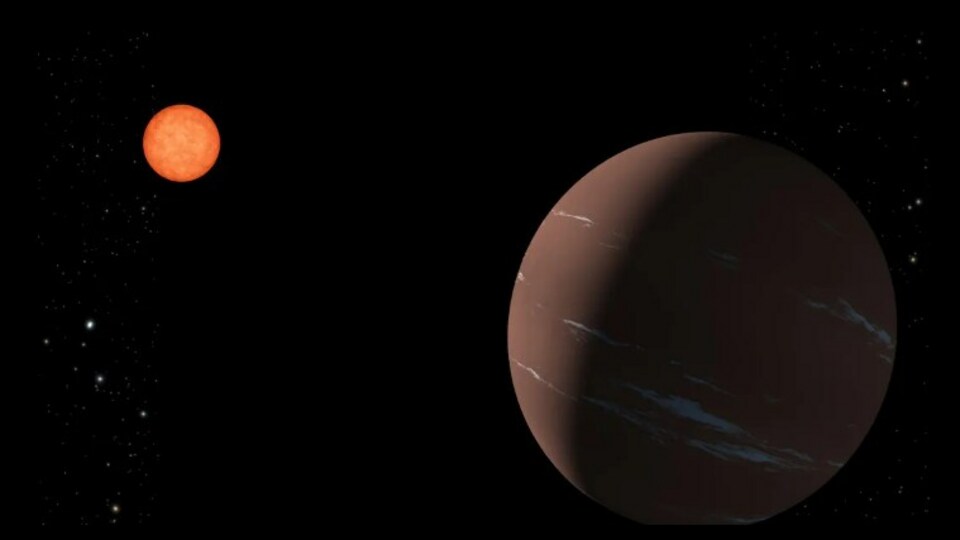
NASA also added in its report, "Several other factors would have to line up, of course, for surface water to be present, especially having a suitable atmosphere. But the conservative habitable zone – a narrower and potentially more robust definition than the broader ‘optimistic’ habitable zone – puts it in prime position, at least by the rough measurements made so far. The smaller planet could be only slightly larger than Earth, and also might dwell just inside the conservative habitable zone." (Also Read: NASA shares mesmerising pictures of a ‘galactic romance’)
TOI-715 b's parent star is a red dwarf, which is smaller and colder than the Sun. They are currently the most promising option for discovering livable worlds. In comparison to planets orbiting stars like the Sun, red dwarfs are smaller and colder, which allows planets to cram closer while remaining safely inside the star's habitable zone. (Also Read: NASA's Hubble Space Telescope finds water vapour in exoplanet 97 light years away from Earth)
As per NASA, "The tighter orbits also mean those that cross the faces of their stars – that is, when viewed by our space telescopes – cross far more often. In the case of planet b, that’s once every 19 days, a 'year' on this strange world."
The planet TOI-175 b has been added to the list of planets in the habitable zone that the Webb telescope could look at more closely, possibly even looking for indications of an atmosphere. A lot will depend on the other characteristics of the planet.


