
 E-Paper



International Day of Civil Aviation today: All you need to know
The day was first celebrated on December 7, 1994, by the International Civil Aviation Organisation (ICAO) and was officially recognised by the United Nations in 1996.

 Prefer HTon Google


The world is observing the International Day of Civil Aviation on Monday. The day was first celebrated by the International Civil Aviation Organisation (ICAO) on December 7, 1994, to commemorate the 50th anniversary of the signing of the Convention on International Civil Aviation.
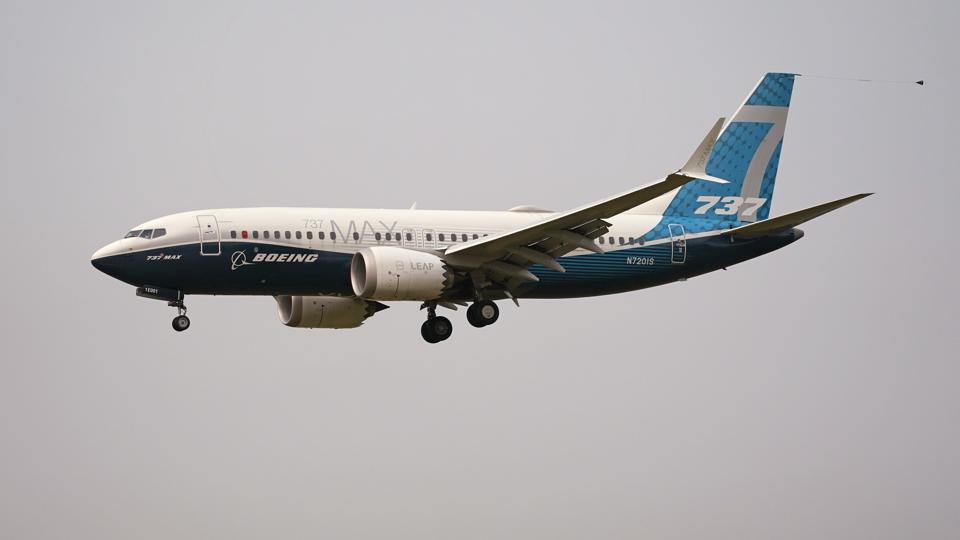
Here’s all you need to know about the International Day of Civil Aviation:
1. In 1996, with the assistance of the Canadian government, the United Nations General Assembly (UNGA) officially recognised December 7 as the International Day of Civil Aviation in the UN calendar.
2. The purpose behind observing this day, according to both the UN and ICAO, is to “help generate and reinforce worldwide awareness of the importance of international civil aviation to the social and economic development of the States, and of the unique role of ICAO in helping States to cooperate and realise a truly global rapid transit network at the service of all mankind.”
3. Every five years, coinciding with the ICAO anniversaries, the ICAO Council selects a special anniversary theme. A single theme is selected for four full years between two ICAO anniversaries.
4. For its 75th anniversary, in 2019, ICAO had selected the theme “75 years of connecting the world.” From 2020 to 2023, the theme will be “Advancing innovation for global aviation development.”
5. Headquartered in Montreal, Canada, ICAO is a specialised agency of the UN. Its objective is to change the principles and techniques of international air navigation and plan and develop international air transport.
6. The Convention on International Civil Aviation was signed on December 7, 1944. Also called “Chicago Convention,” it was signed by 52 states in Chicago. It came into effect on April 4, 1947, and on the same date, ICAO, too, came into being. In October, it became a specialised agency of the UN.
7. As of March 2019, all member states of the UN, except Liechtenstein, are signatories to the Chicago Convention.


