
 E-Paper



Budget and elections: BJP shuns populism in 2024. How it's different from 2019
Piyush Goyal had presented the interim budget in 2019, which was loaded with massive benefits for farmers and taxpayers.

 Prefer HTon Google


Finance minister Nirmala Sitharaman on Thursday presented the interim budget, her sixth overall, in the run-up to the Lok Sabha elections scheduled to be held in months from now.
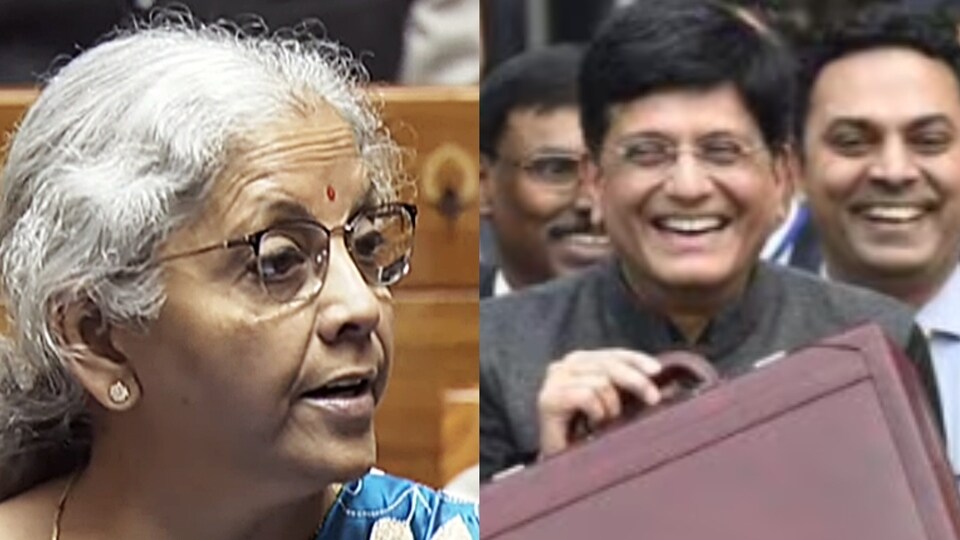
In a budget address that lasted merely 58 minutes, the shortest of all her speeches, Sitharaman announced raising capital expenditure by 11 per cent to ₹11.11 lakh crore. The minister announced that there will be no change in the tax structure, providing a much-needed relief to the tax payers.
Sitharaman's interim budget led to many compare it with the one delivered by Piyush Goyal in 2019. The interim budget was presented months ahead of Prime Minister Narendra Modi's victory in the general elections that year. Piyush Goyal had presented the budget in place of Arun Jaitley, who was unwell at that time.
ALSO READ: Interim Budget 2024 | 6 key takeaways from Nirmala Sitharaman's speech
What happened in Modi government's 2019 interim budget?
The 2019 interim budget was seen as a populist measure by PM Modi to retain power for the second straight term after being elected in 2014. Goyal had made big announcements including a major income support scheme for farmers and a new pension programme for workers.
Five years ago, the government had announced a ₹750 billion farm income support programme. The farmers with less than two hectares of land will receive 6,000 rupees each year, the budget had announced.
ALSO READ: Sitharaman tax demand withdrawal to benefit 10 million taxpayers
In his interim budget speech, Goyal had proposed a complete rebate on tax for those earning up to ₹5 lakh a year, with an eye on middle-class voters before the general elections.
“Individual taxpayers having taxable annual income up to ₹5 lakhs will get full tax rebate and therefore will not be required to pay any income tax. As a result, even persons having gross income up to ₹6.50 lakhs may not be required to pay any income tax if they make investments in provident funds, specified savings, insurance etc,” Goyal had said in his speech.


