
 E-Paper



Budget 2024: No change in direct taxes. What does it mean for India's middle class?
The Narendra Modi government didn't tweak tax rates in the interim Budget for 2024-25 tabled by Union finance minister Nirmala Sitharaman.

 Prefer HTon Google


Union finance minister Nirmala Sitharaman on Thursday said that the government won't propose any changes to taxation and will retain the same tax rates for direct taxes and indirect taxes including import duties. In a bid to provide continuity in taxation, Sitharaman also proposed to extend the date for certain tax benefits to start-ups and investments made by sovereign wealth or pension funds to March 31, 2025.
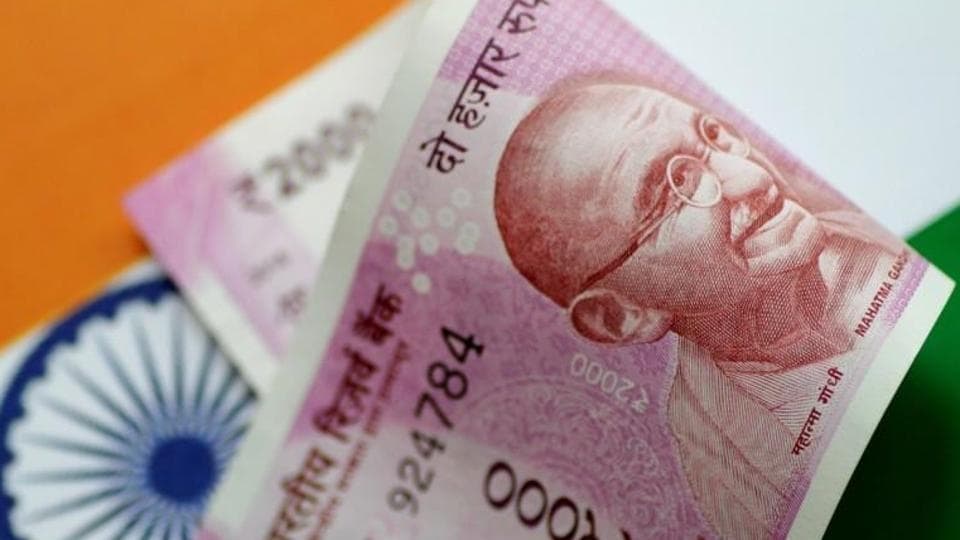
"Keeping with the convention, I do not propose to make any changes relating to taxation and propose to retain the same tax rates for direct taxes and indirect taxes including import duties," Sitharaman said in her Budget speech on Thursday.
What does it mean for the middle class?
Income tax, which constitutes a key part of direct taxes, is levied on the income earned by individuals, including salaries, wages, profits from business or profession, capital gains, dividends, interest, rents, and royalties. For the middle class, which typically relies on salaries, wages, and sometimes interest from savings or investments, income tax can constitute a substantial portion of their financial obligations to the government.
The income tax slabs and rates in India are structured in a progressive manner, meaning that individuals with higher incomes are taxed at higher rates. However, even those in the middle-income brackets can find themselves subject to significant tax liabilities, especially as they move up the income ladder.
Budget Highlights 2024: Rooftop solarisation, housing for middle class, charging of EVs
The unchanged rate in direct means that middle-class taxpayers will not face any new or increased tax obligations on their incomes. Neither they will get any relief in the tax obligations.
With tax rates and rules remaining unchanged, middle-class taxpayers can continue their tax planning strategies without the need for major adjustments. They can rely on existing deductions, exemptions, and tax-saving investments to optimise their tax liabilities within the current framework.
Read: Old vs new tax regime, which is better for salaried employees?
Other tax-related announcements
In a move aimed at improving ease of living and doing business, Sitharaman also unveiled plans to enhance taxpayer services.
She highlighted the burden posed by numerous petty, non-verified, non-reconciled, or disputed direct tax demands lingering on the books, some dating back to as early as 1962.
To alleviate this burden, the finance minister announced the withdrawal of outstanding direct tax demands up to ₹25,000 for the period up to the financial year 2009-10. For financial years 2010-11 to 2014-15, outstanding demands up to ₹10,000 would be withdrawn. This move is expected to benefit approximately one crore taxpayers across the country, according to Sitharaman.


