E-Paper



Pak spy racket caused loss of Rs 3000 crore to telecom sector: MP government
The racket allegedly operated parallel telephone exchanges to help Pakistan’s ISI to spy on India’s military operations.


Madhya Pradesh government on Monday admitted, for the first time, that a Pakistani spy racket, which allegedly operated parallel telephone exchanges using Chinese equipment and SIM-boxes , caused a loss of Rs 3000 crore to the telecom sector.
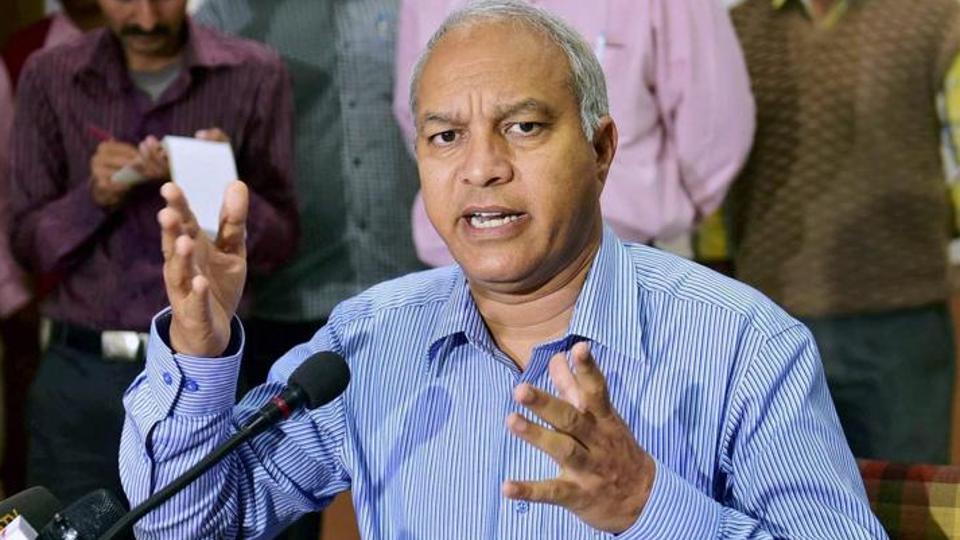
Home minister Bhupendra Singh made the disclosure in the assembly in reply to a call attention motion moved by Congress’s Govind Singh, Ram Niwas Rawat and Shailendra Patel.
Singh also admitted that money indeed played a “big role” in luring people to become spies of Pakistan.
His remark was in response to Congress legislators’ claim that the arrest of 15 people in connection with the spying case revealed it was money and not religion that motivated people to join the racket.
The state’s Anti Terrorist Squad (ATS) busted the racket on February 9 by arresting eleven suspects, including a relative of a ruling BJP councillor, for allegedly running an international call racket that helped Pakistan’s Inter-Services Intelligence (ISI) to spy on India’s military operations.
Since mid-February, 15 suspects have been arrested in this connection and police unearthed at least 20 such parallel telephone exchanges run by alleged ISI operatives.
These exchanges masked international calls as local and routed them into local GSM networks using Chinese equipment.
According to police, these calls were used by the ISI for spying and staying in touch with its operatives in India. The ISI’s “communication desk or managers” had used five VoIP gateways to help the men in MP and other parts of India operate these exchanges, they said.
These exchanges converted overseas calls to local GSM network calls and were charged at rates lower than those of local service providers.
These exchanges were run under the garb of IT consultancy services. According to sources, those run the exchanges were paid a monthly commission by VoIP gateways and Pakistani handlers through hawala operators.
In the call attention motion, Congress MLAs alleged that in the past 10 years, terror activities had increased in the state and government and its intelligence agencies had failed to stop them, creating a sense of insecurity among the people.
Singh, refuting the allegation, claimed that perhaps for the first time in the country that terror suspects were arrested within few hours of an incident. He was referring to the March 7 Ujjain train blast case.
He lauded the state police and intelligence agencies for their prompt investigation into the train blast case and action against eight SIMI suspects, who were gunned down in an alleged encounter in October last year, hours after they escaped from the Bhopal central jail.